AMC Entertainment, the world’s largest movie-theatre operator, has seen a dramatic turnaround in investor sentiment this year, with shares rising sharply as cinema attendance and ancillary spending recover, according to a report by The Motley Fool.
From deep losses to a rebound
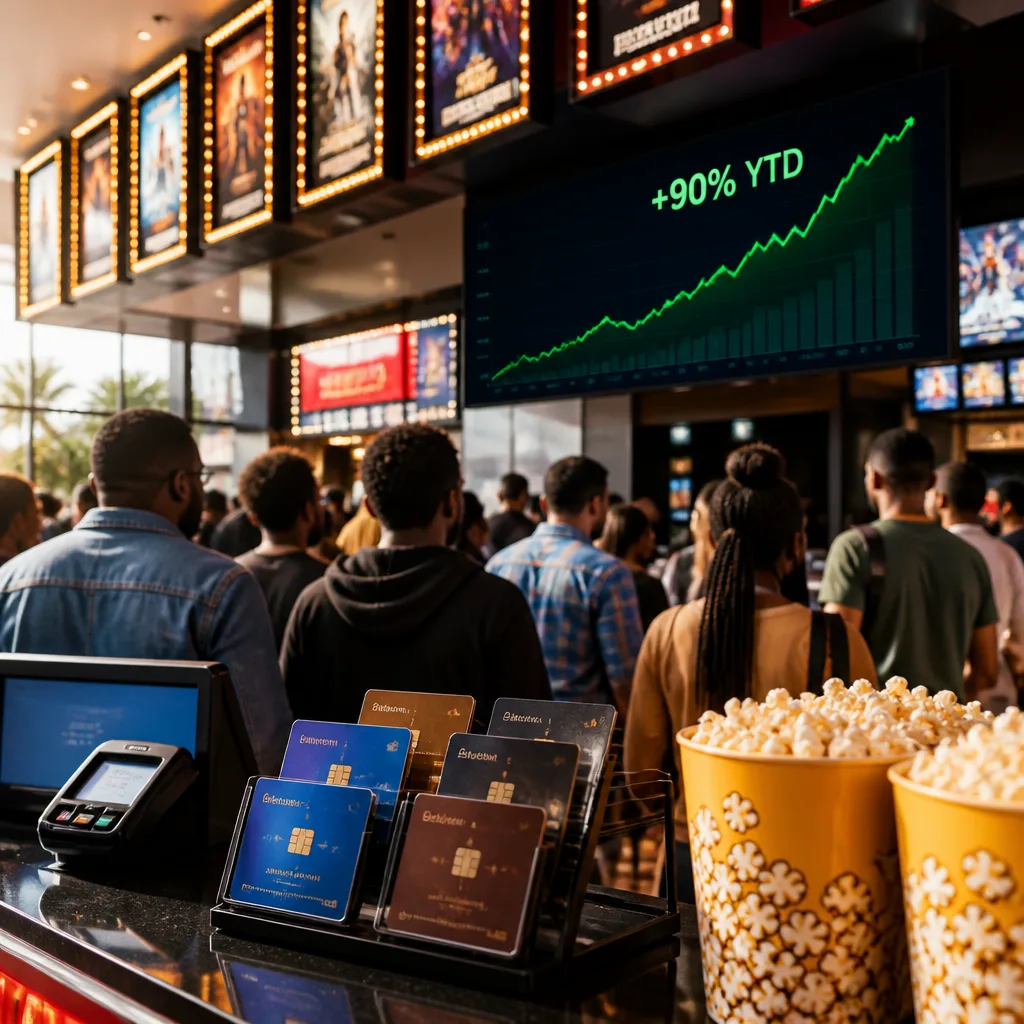
Over the past five years AMC's share price endured a severe slump, but the company has staged a notable recovery in 2026. The Motley Fool noted that the stock was down significantly across a multi‑year span yet has rallied this year, with the report highlighting a 90% gain year‑to‑date.
The analysis framed the current rally as different from the meme‑stock episodes of earlier years. Instead of a social‑media driven frenzy, the renewed momentum is being linked to improving fundamentals at cinemas and box‑office growth.
"Act 2 Could Be 15x Bigger."
Why the shift matters
Several industry indicators cited in the report offer context for AMC’s recovery:
- Domestic box‑office receipts in the US are on track to exceed R10 billion (reported in US dollars in the source) for the first time since the COVID‑19 pandemic, signalling stronger moviegoing demand.
- Loyalty membership has risen significantly, with the report placing AMC Stubs membership above 40 million, a metric used to underline recurring consumer engagement.
- Patron spending beyond tickets — on food, beverages and merchandise — is increasing, supporting theatre revenues even when average ticket prices vary.
Those trends have led some analysts to reconsider the outlook for exhibitors. The Motley Fool suggested that this is not merely a nostalgic bounce but part of a wider recovery in theatrical economics.
Box‑office context and implications
The report also pointed out that there are now only one other year on record in which as many individual films crossed the US$1 billion threshold globally — a reference to the density of recent blockbuster returns. That concentration of big hits helps drive audiences back to cinemas and bolsters concessions and ancillary revenue streams that are important for chains such as AMC.
For South African audiences, the global recovery in theatrical demand can translate into stronger release schedules, more simultaneous global premieres, and greater investment in cinema upgrades. Locally, exhibitors have been watching international box‑office health closely as a bellwether for programming and pricing strategies.
Investor caution remains
While the year‑to‑date share gains are eye‑catching, the source underlined the long road AMC has travelled: the chain’s stock had very steep losses over several years, and the recent rally followed periods of extreme volatility. Analysts advising individual investors commonly urge careful consideration of long‑term fundamentals and risk tolerance before taking positions in cyclical or highly traded stocks.
| Metric | Figure (source) |
|---|---|
| Five‑year share decline | 99.3% down |
| Year‑to‑date gain | 90% up |
| AMC Stubs members | 40 million+ |
| US domestic box office (this year) | Over R10 billion equivalent |
That mix of a prolonged past decline and a sudden recovery helps explain the divergent views among market watchers: some see a company regaining footing as audiences return, while others warn that volatility and structural changes in media consumption could reassert themselves.
For movie‑lovers and industry watchers in South Africa, the story is worth watching. Stronger global theatrical performance usually means healthier release calendars and increased investment in cinematic experiences — factors that ultimately benefit local exhibitors and audiences.
As always, entertainment investors and cinephiles should look beyond headlines: market rallies can be driven by both material improvements in business performance and shifts in investor sentiment. The unfolding chapters for AMC will hinge on whether box‑office strength and loyalty trends sustain over coming quarters.