
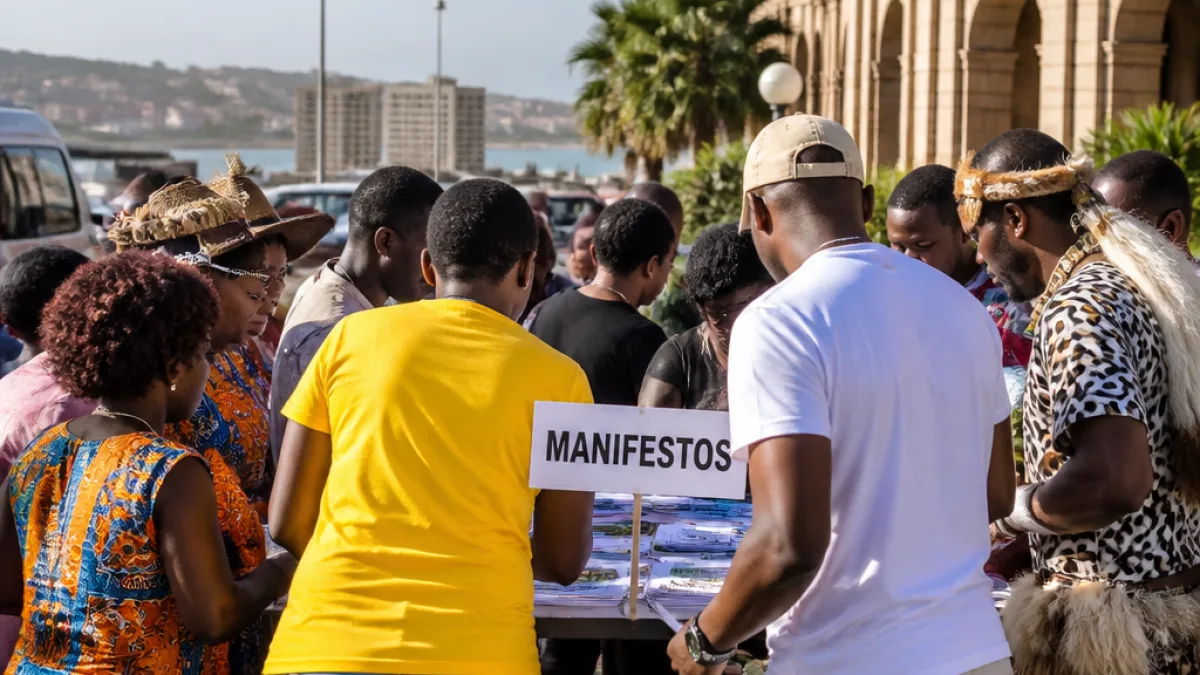
Durban. ActionSA in KwaZulu‑Natal has warned that entrenched patterns of racial and ethnic voting are hampering democratic choice ahead of the municipal elections timetable proclamation. The party’s provincial leader, Zwakele Mncwango, said on Thursday that many voters continue to cast ballots on the basis of identity rather than policy.
Ethnicity, tradition and party loyalty
Mncwango spoke a day before Cooperative Governance and Traditional Affairs Minister Velenkosini Hlabisa published the official dates for the municipal poll. He said voting in the province remained strongly influenced by tribal and traditional loyalties, particularly in rural areas.
“It is a reality that people in majority have not reached a point where they vote for a certain political party that has a better offer,” Mncwango said. He argued that some voters select candidates because of affection for a personality or because a party aligns with their ethnic group, rather than after weighing manifestos and service promises.
“People will vote for somebody out of love for that person because this sings better umshini’wami, umshini’wami without hearing what he is going to do for them,” he said.
Mncwango also criticised low levels of engagement with party manifestos. He said too few voters take the time to read and compare policy documents, instead following family or community patterns of support.
What this means for new parties and young voters
The ActionSA leader noted that newer political formations often have platforms that appeal to younger voters, but that those gains can be blunted where local dynamics favour established traditional or ethnically aligned leaders. He said some parties that draw mainly white or coloured supporters continue to receive the vote of those communities, which he suggested see such parties as a shelter for their interests.
Mncwango said ActionSA is attempting to build support across racial and ethnic lines, but acknowledged the challenge posed by longstanding patterns of allegiance:
- Voting influenced by family or community traditions
- Low engagement with election manifestos among many voters
- Stronger support for locally dominant ethnic groups in rural KZN
Implications for the municipal ballot
The warnings come as voters prepare to consider councillors and local government leadership that will directly affect service delivery, planning and development in municipalities across KwaZulu‑Natal. If identity remains the primary determinant of vote choice, parties say policy debate and accountability risk being sidelined.
Political commentators and party strategists have long argued that informed electoral choices — where citizens compare party promises, track records and capacity to implement — can strengthen local governance. Mncwango’s comments underline tension between that ideal and the reality in some communities where tradition and ethnicity play a continuing role.
| Issue | Quoted concern |
|---|---|
| Ethnic voting | Voters favour parties led by their own ethnic group, especially in rural areas |
| Manifesto engagement | Few voters take time to read or compare manifestos |
| Generational divide | New parties attract youth; rural areas remain tradition‑bound |
Mncwango described a “nationalist agenda” he believes must be overcome, saying it will take time for voting patterns to shift toward issue‑based decisions. He urged voters to prioritise the interests of the country over narrow identity loyalties.
The provincial leader’s remarks do not include polling or new data; they reflect ActionSA’s political analysis ahead of the municipal ballot. With the election timetable now announced, parties will move into visible campaigning. Observers will be watching whether calls for policy‑centred debate translate into different voting behaviour at the ballot box.
Further comment from other political parties and community groups would be required to present a fuller picture of how ethnicity and tradition are shaping preferences across different municipal wards in KwaZulu‑Natal.












