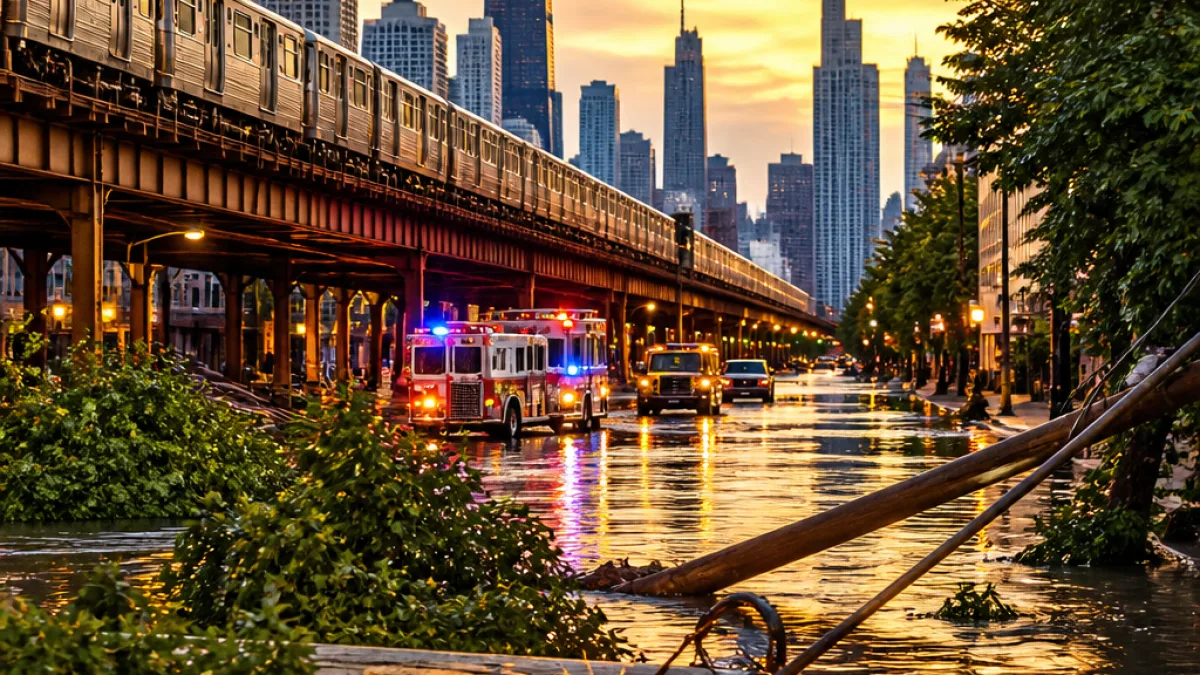
Severe thunderstorms packing extreme wind gusts and torrential rain swept across the Chicago metropolitan area and into northwestern Indiana Tuesday, leaving hundreds of thousands without electricity, triggering tornado warnings and temporarily halting operations at the region's major airports.
Storms cause widespread outages and travel disruptions
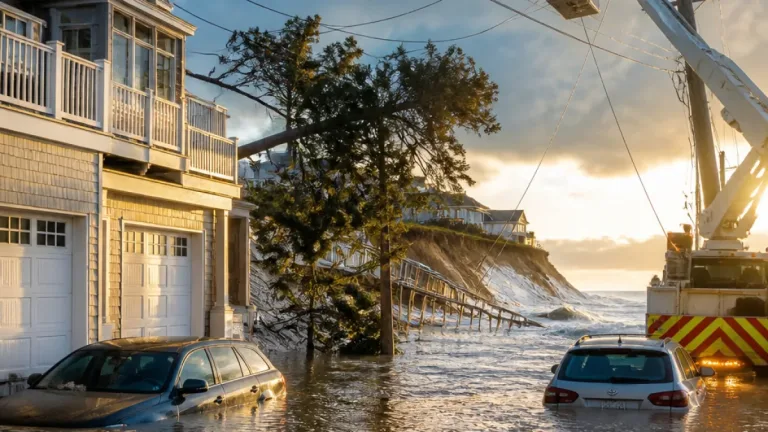
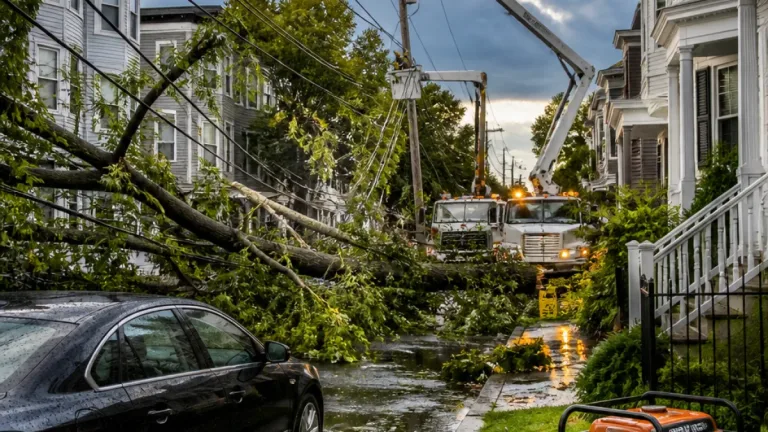
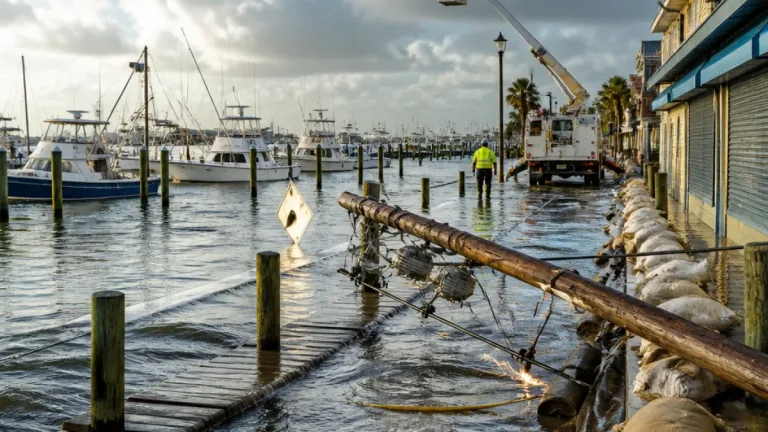
Emergency crews and utility companies reported massive outages after lines were downed and trees toppled by powerful gusts. According to poweroutage.us, more than 600,000 customers lost electricity across Illinois and Indiana as the system was pounded by storms.
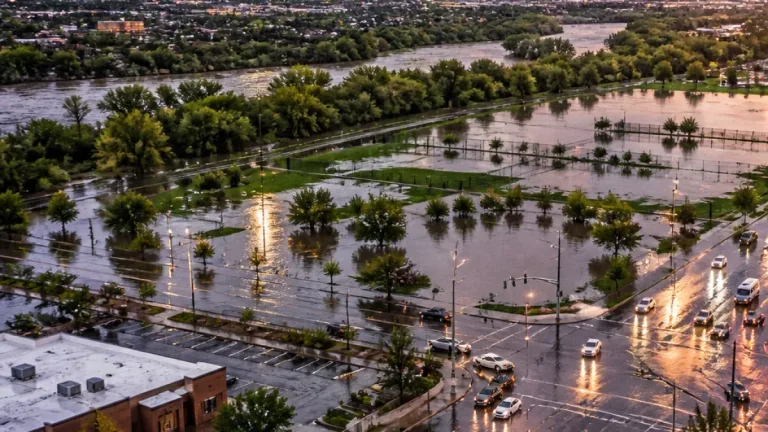
Chicago’s two main airports briefly suspended flights; officials said all takeoffs and landings stopped while the worst of the weather moved through and warned passengers to expect delays as air traffic control worked through the backlog. Social media and local television showed flooded roadways, homes with roof damage and trees entangled in power lines.
Localized damage in Indiana and nearby states
In Indiana, officials said Lake and Porter counties were among the hardest hit. In nearby Illinois, Will County, south of Chicago, suffered severe impacts as well. Further east, Ohio utilities reported outages affecting more than 166,000 customers, and local governments in that state took precautionary measures in advance of another round of severe weather.
| Area | Reported outages |
|---|---|
| Illinois & Northwestern Indiana | 600,000+ customers |
| Ohio | 166,000+ customers |
Officials cautioned that outage counts are dynamic and can fluctuate as crews restore service and additional damage reports come in.
Residents describe frightening scenes
Homeowners and residents described seeking shelter as sirens wailed. In one Chicago suburb, a resident said the family sheltered in a basement as the house shook and power went out.
“No power. It was very scary. We were down in the basement,”
The resident, who said his neighborhood is accustomed to winter extremes rather than violent summer storms, described scrambling for fuel to run a generator and protect refrigerated food.
Weather service warnings and observed winds
The National Weather Service posted multiple alerts and urged people to take immediate shelter when tornado warnings were issued. Personal weather stations and spotters registered gusts of roughly 80 mph (128 kph) or higher in some locations, conditions capable of producing significant structural and tree damage.
“These are dangerous storms!”
Forecasters said the combination of high winds, heavy rainfall and the potential for embedded tornadoes made the system particularly hazardous for anyone caught outdoors or in lightly constructed buildings.
What officials and residents should do now
Local authorities urged residents to avoid downed power lines, to stay away from flooded roadways and to conserve phone battery life so they can receive alert updates. Those without power should take basic steps to remain safe and keep household items from spoiling.
- Report outages to your utility provider and follow their guidance about restoration timelines.
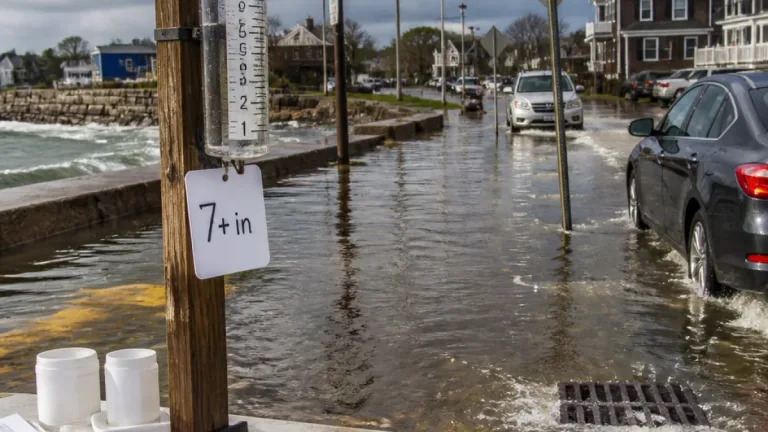
- Avoid driving through flooded streets; just a few inches of water can stall a vehicle.
- Keep clear of downed lines and treat them as energized until crews confirm otherwise.
- Use generators only outdoors and away from windows to prevent carbon monoxide buildup.
Restoration and recovery ahead
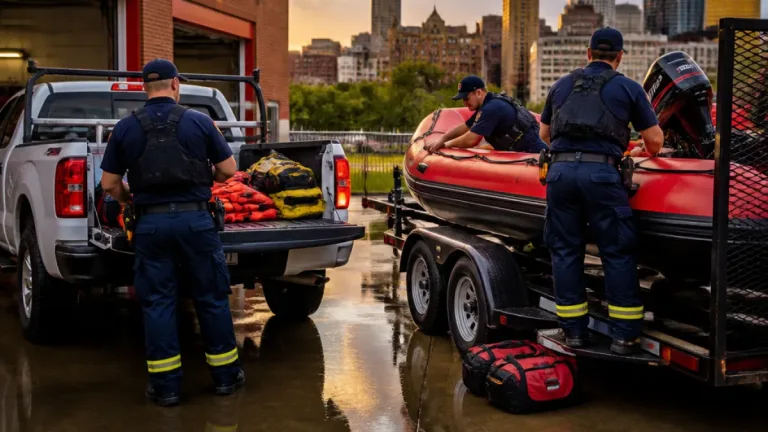
Utility crews typically prioritize repairs to substations and transmission lines first, then move to restore service to larger numbers of customers. Local officials and utilities said they expect the work to be time-consuming where major damage occurred and urged patience as crews work around the clock to make repairs.
As authorities continue damage assessments, communities across the region will be sorting out immediate recovery needs — including shelter, food and debris removal — while public safety officials remain on alert for additional severe weather in the days ahead.
WE NEWS will update readers as utility companies and local officials release restoration timelines and further information about damages and public-safety instructions.