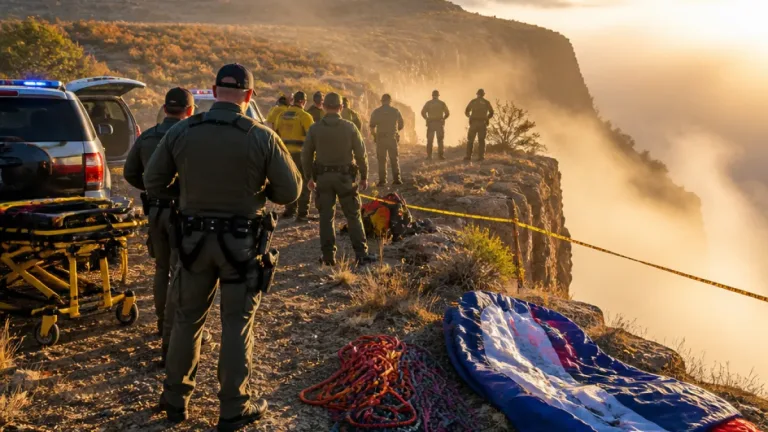
SALT LAKE CITY — Utah is confronting one of its most expensive wildfire seasons in decades as state and federal fire suppression costs climb into the hundreds of millions of dollars, state officials told lawmakers this week.
Scope and cost of the season
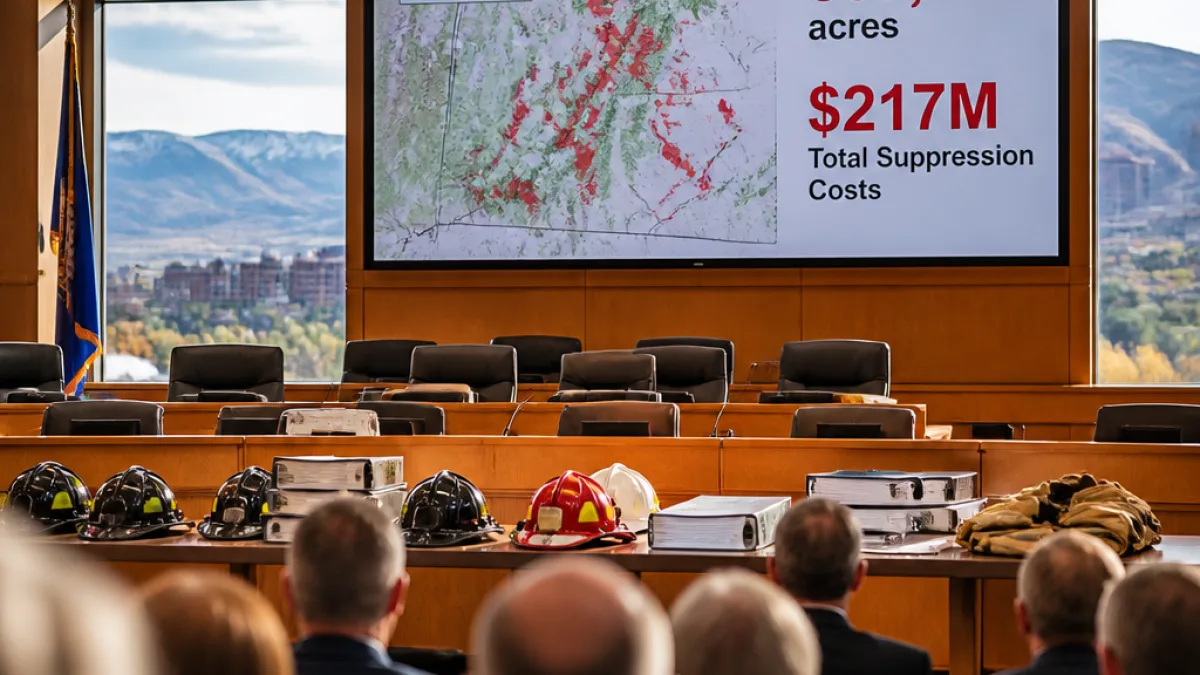
The Utah Division of Forestry, Fire and State Lands reported that the 10 biggest fires of 2026 encompass most of the roughly 537,000 acres burned so far and carry an estimated suppression price tag of about $217 million. The division said the state could be responsible for roughly $37.9 million of that total, although officials cautioned the figures are still provisional.
"The cost on these are still changing. It will take us a good year to consolidate those costs overall on all these fires," Jamie Barnes, the division’s director and state forester, told members of the Legislature’s Natural Resources, Agriculture and Environmental Quality Appropriations Subcommittee.
Barnes emphasized that estimates will evolve as after-action accounting continues. Several of the larger incidents are still being tallied, and reimbursement from federal programs will alter the ultimate state burden.
Federal aid, local impacts and insurance gaps
The division said Utah expects to receive federal assistance through FEMA for five of the major fires, with projected reimbursements of about $18.2 million. FEMA can cover up to 75% of a state’s qualified firefighting expenditures on eligible incidents, a critical offset for emergency response budgets.
Those suppression estimates, though substantial, do not include many of the downstream costs associated with wildfire: property losses, debris removal, infrastructure repair and post-fire flood mitigation. State officials noted the tally excludes some of the most damaging local impacts.
Among the losses the division did count: about 200 properties destroyed across the season. One fire alone, the Cottonwood Fire in Beaver County, accounted for 184 of those destroyed structures. Officials warned that additional financial effects — particularly from post-fire flooding and long-term economic disruption — will add to recovery costs.
Longer recovery horizon
Lawmakers heard from local officials about the lingering hazards after large wildfires. Rep. Carl Albrecht, R-Richfield, described the cascading damage in parts of Beaver County where flood damage followed the cottonwood-area blazes.
"It was just unreal. … Fires and floods are not fun," Albrecht said, adding that flooding risks will persist for several years in burned watersheds.
Those warning lights underscore a common theme among wildfire experts: the expense of fighting flames is only one piece of the fiscal picture. Repairing roads, restoring watersheds, rebuilding homes and addressing increased flood insurance claims can multiply financial burdens for affected counties and the state.
What lawmakers face
As the fiscal implications take shape, the Legislature’s appropriations subcommittee is weighing how much of the state’s emergency response costs should be covered from existing budgets, emergency reserves or future appropriations. The division’s official said reconciliation of the final bills and reimbursements could take about a year.
Officials also signaled that the clock on determining who pays will run beyond the end of this fire season. Some costs will be shifted to federal programs; others will be borne by local governments, private insurers and property owners.
- Acres burned: ~537,000 statewide (so far)
- Estimated suppression costs: ~$217 million
- Estimated possible state share: ~$37.9 million
- Estimated FEMA reimbursements: ~$18.2 million (for five large fires)
- Properties destroyed: ~200 total; 184 from the Cottonwood Fire
| Metric | Estimate |
|---|---|
| Acres burned | ~537,000 |
| Suppression cost (top 10 fires) | ~$217 million |
| State’s potential portion | ~$37.9 million |
| FEMA reimbursements projected | ~$18.2 million |
| Properties destroyed | ~200 |
What comes next
State foresters and local officials said they will continue to refine cost estimates and work with federal partners on reimbursement requests. They also signaled plans to examine mitigation and preparedness investments that could reduce suppression and recovery costs in future seasons, although specific policy recommendations were not outlined in the subcommittee session.
For residents and local governments, the unfolding financial picture is a reminder that wildfire risk and recovery are multi-year challenges. Officials urged communities in high-risk areas to review evacuation plans, insurance coverage and watershed protections as they brace for the season’s downstream consequences.
This report will be updated as state officials finalize the accounting and federal reimbursements are confirmed.