
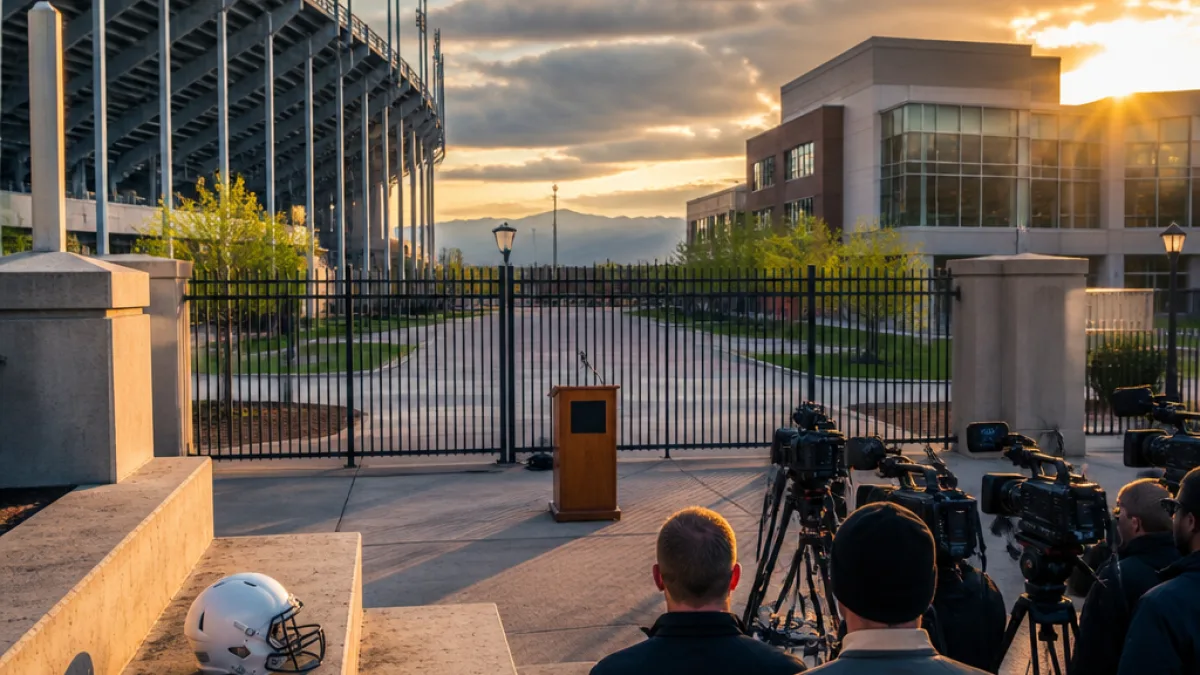
Provo's college-football landscape has been unsettled after BYU coach Kalani Sitake made unusually blunt public comments about the resources available to his program and appeared to direct those remarks at the university’s athletics leadership, including athletic director Brian Santiago.
What Sitake said and why it matters
In interviews this month, Sitake told reporters he feels the program is being asked "to do the most with least," called the situation "frustrating," and said he has made demands to position BYU on an "even playing field" with peer programs. He also said BYU was "this close" to reaching the college football playoffs, and urged the administration not to repeat past mistakes.
Those remarks, aired publicly to local and national media, represent a departure from Sitake’s prior, more restrained public posture and have drawn attention in Provo, where BYU football is a central part of the city’s sports identity and local economy.
Escalation and clarification
After the initial comments drew notice, Sitake was asked to clarify his statements in a later interview. The follow-up exchange — circulated by local sports media — intensified scrutiny because Sitake declined to soften his earlier critique and the phrasing was widely interpreted as directed at Santiago and the athletic administration. Local sports outlets, including posts credited to reporters Ben Criddle and Jackson Payne, have shared excerpts of both the original remarks and the subsequent interview.
- Coach expressed concern over program resources and competitiveness.
- Comments were framed as a reminder to athletic leadership, specifically Brian Santiago.
- The exchange was amplified by local sports media and social posts.
Also referenced in coverage was BYU’s recent hiring of Marc Hill, which Sitake was asked about during the follow-up interview — a line of questioning that contributed to the perception of strain between the coach and administration.
Local implications in Provo
BYU football drives significant attention and activity in Provo, from game-day commerce to alumni engagement. Public tension between coach and athletic leadership can have multiple local consequences:
- Fan sentiment: Supporters and season-ticket holders may seek clarity about the program’s direction and institutional backing.
- Recruiting and staff: Perceived instability can affect recruiting pitches and retention of assistant coaches and support personnel.
- Community relations: University-administration disputes can spill into civic conversation about priorities and investment in athletics.
| Item | Reported detail |
|---|---|
| Coach’s central complaint | Asked to "do the most with least"; described situation as "frustrating" |
| Target of remarks | Framed as a reminder to athletic leadership, specifically Brian Santiago |
| Related personnel note | Questions about the hiring of Marc Hill were part of follow-up interviews |
"C'mon. Let's not make the same mistakes we've made in the past," Sitake said as part of his public comments, according to local media coverage.
Officials from BYU and Santiago have not issued a public, detailed response to the coach’s remarks in the reports circulated so far. The university’s stance and any steps it may propose to address Sitake’s concerns will be watched closely by local fans and civic leaders.
What to watch next
Residents and fans in Provo should expect continued coverage as the story develops. Key next steps to monitor include any official statements from BYU or Santiago, follow-up comments from Sitake, and whether the university announces changes in staffing, budget allocations or program support that address the coach’s public complaints.
For now, Sitake’s candid comments have introduced a period of heightened attention to the relationship between BYU’s football program and its athletic administration — a dynamic that could shape the forthcoming season and broader community conversations in Provo.

















