A surrogate mother who traveled to Texas after a prenatal diagnosis of a serious congenital heart defect has given birth in the Dallas area, authorities said, after the Texas attorney general intervened to secure medical care for the newborn.
Legal action prompted by prenatal diagnosis
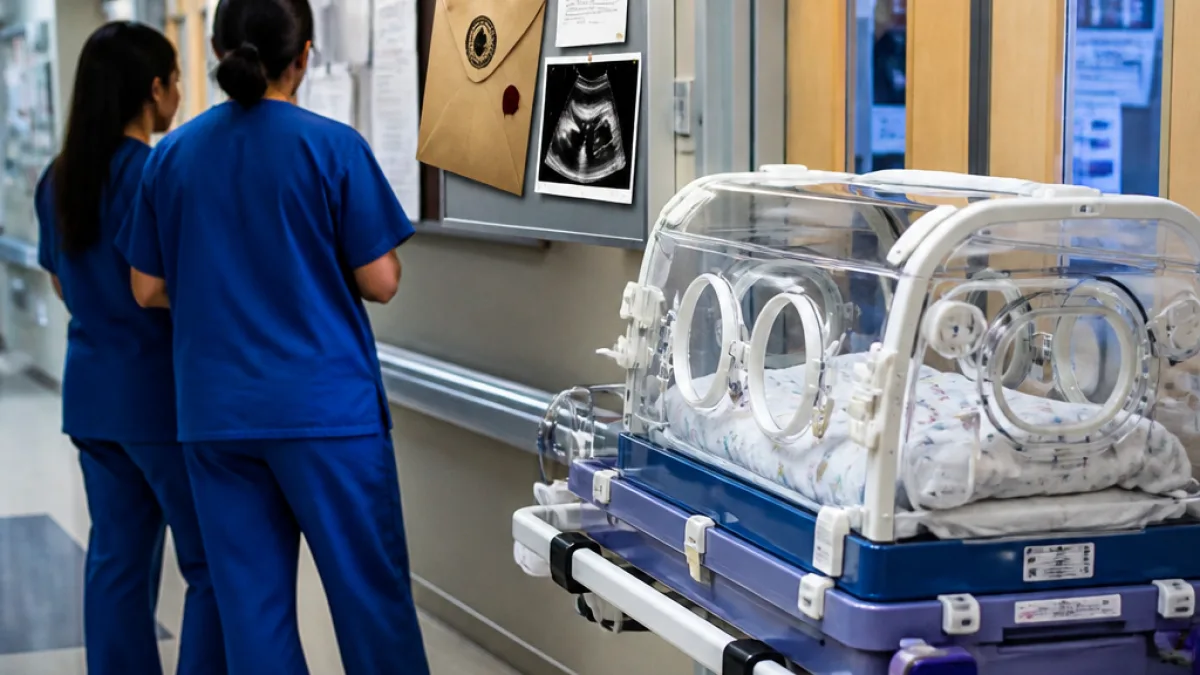
The child, identified by state officials as Gabriel, was carried by a surrogate who, prosecutors said, left another state when the baby’s biological parents asked her to undergo an abortion following a diagnosis of hypoplastic left heart syndrome around 20 weeks of pregnancy. The surrogate arrived in Texas and later delivered the infant in a hospital neonatal intensive care unit, where doctors were preparing to perform lifesaving surgery.
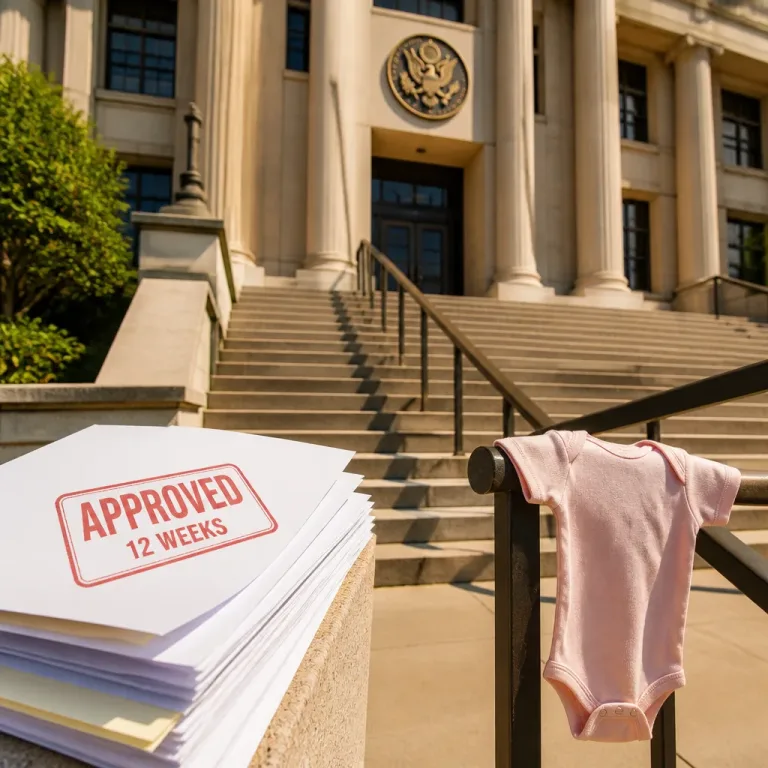
In a news release, Texas Attorney General Ken Paxton said his office formally notified UT Southwestern Medical Center and Children’s Medical Center of Dallas of their legal obligations to provide “medically necessary, life-saving care upon birth.” Paxton’s office said the intended parents had refused to consent to surgery after birth, prompting the state intervention.
“The court has made the right decision in immediately acting to protect baby Gabriel’s life and ensure he receives the care he deserves,” Paxton said. “My office utilized every tool at our disposal to protect life, and we will not back down in continuing to support baby Gabriel’s well-being. Every child in our state deserves to be cared for and protected, and that’s exactly what I’ll fight for.”
What hypoplastic left heart syndrome means
Hypoplastic left heart syndrome is a rare, complex congenital heart defect in which the left side of the heart is underdeveloped. Infants born with the condition typically require prompt specialized cardiac care and often undergo a series of surgeries starting in the newborn period to survive.
Physicians at neonatal intensive care units evaluate and stabilize newborns with the condition and coordinate immediate surgical or catheter-based interventions when indicated. The course of treatment is individualized to each infant’s anatomy and overall health.
Hospital roles and obligations
Paxton’s office said it notified the Dallas hospitals of their responsibilities under Texas law to provide life-saving care. The specific legal mechanism cited by the attorney general’s office was a formal notice securing compliance for the infant’s care at birth.
Neither UT Southwestern nor Children’s Medical Center responded to the attorney general’s statement included in the news release attached to the case summary distributed by state officials. The surrogate and the infant remain under medical care in the Dallas area, according to the office announcement.
- Surrogate: Traveled to Texas after 20-week prenatal diagnosis.
- Infant: Born in Dallas and admitted to a neonatal intensive care unit.
- Medical condition: Hypoplastic left heart syndrome, requiring prompt specialized care.
Context and public implications
The case raises intersecting legal and ethical questions about the rights of surrogates, the authority of intended parents, and the role of state officials in medical decisions when parties disagree. It also highlights Texas’ position on abortion and fetal protections, an environment that has influenced medical and legal decisions around reproductive care.
Advocates for patients with congenital heart disease emphasize the importance of rapid access to pediatric cardiac centers for newborns with life-threatening conditions. Hospitals that provide neonatal and pediatric cardiac services routinely coordinate with ethics committees and legal counsel when disputes arise about treatment consent or parental decision-making.
What’s next
State officials said the legal action secures assurance that the infant will receive care. The medical team at the neonatal intensive care unit will determine the timing and nature of any surgical procedures based on the baby’s clinical status. Further legal filings and hospital statements could follow as the case develops.
| Entity | Role |
|---|---|
| Surrogate | Carried the pregnancy and traveled to Texas after diagnosis |
| Intended parents | Reportedly requested an abortion and declined to consent to post-birth surgery |
| Texas Attorney General | Notified hospitals and announced legal action to ensure care |
| Dallas hospitals | Receiving neonatal care and planning lifesaving interventions |
As the newborn’s condition and any ensuing legal proceedings evolve, hospitals and state officials may release further information. For families and surrogates facing similar situations, medical ethics consultants and legal advisers can provide guidance on consent, parental rights and hospital obligations.
This report is based on a statement from the Texas attorney general’s office and hospital notifications cited in that release. No additional statements from the hospitals or intended parents were included in the source information.