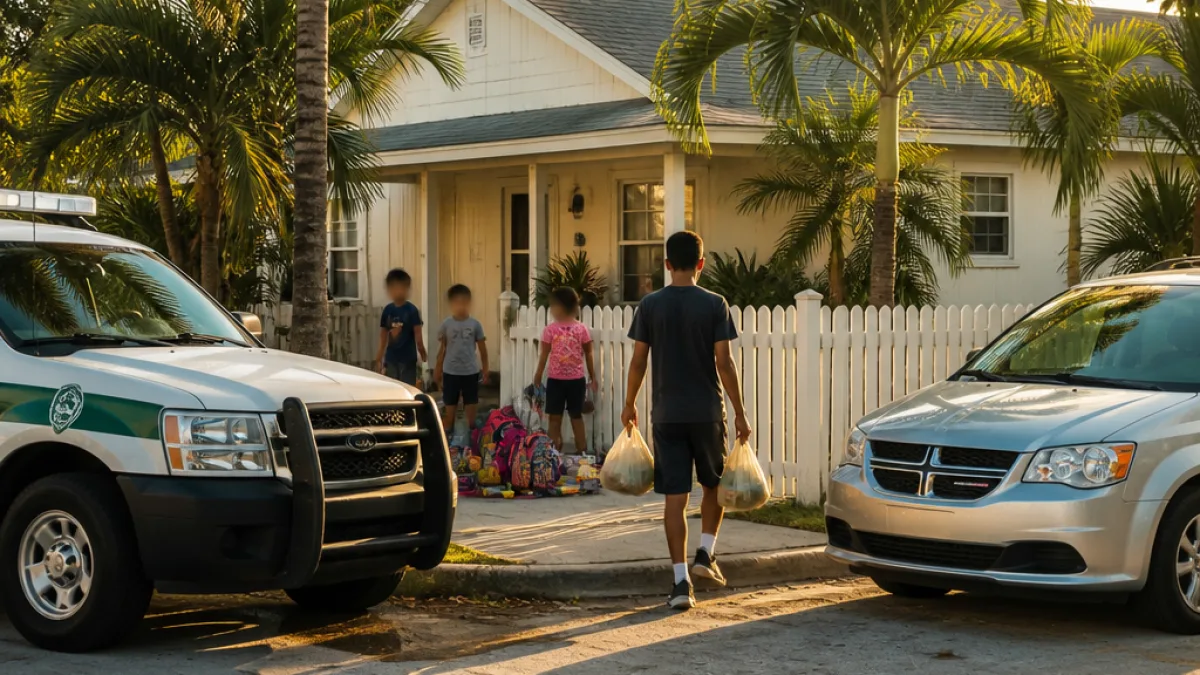
LAKE WORTH BEACH, Fla. — What began as a routine trip home from church turned into a family crisis when federal agents detained a pair of undocumented parents during a traffic stop, leaving their 18-year-old daughter to assume full-time care of her four U.S.-citizen siblings.
Traffic stop alters college plans, upends household
The teenager, identified in court documents and local reports as Wendy Domingo, had just turned 18 when the family’s van was stopped by U.S. Border Patrol on Aug. 12, 2026 in Lake Worth Beach. She was driving at the time. Her parents were taken into custody, and she is now responsible for siblings ranging in age from 3 to 16.
According to local reporting, Domingo had planned to attend college this fall but has had to delay those plans to provide food, clothing and day-to-day care for the children. All four children are U.S. citizens by birth.
Immediate needs and longer-term consequences
The case underscores the ripple effects of immigration enforcement actions on citizen children and the communities that serve them. Social services, schools and local charities often absorb emergency needs when parents are detained or deported, while teenagers and other relatives step into caregiving roles that can interrupt education and employment.
- Family composition: One 18-year-old primary caregiver and four younger siblings ages 3–16.
- Location of detention: Lake Worth Beach, Florida.
- Date of detention: Aug. 12, 2026.
Local authorities and child welfare agencies typically evaluate whether a detained parent has relatives capable of caring for children. In many cases, such evaluations are complicated by the immigration status of other relatives and by immediate financial needs.
How schools and communities respond
Schools, churches and nonprofits play a key role in short-term stabilization: providing meals, clothing, counseling and help navigating public benefits. The situation also raises questions about college access. Statewide data in a Florida TODAY newsletter noted that roughly 75% of Florida college students live off campus, a detail that highlights how many students — especially those from low-income families — juggle housing, jobs and family responsibilities while pursuing degrees.
For an 18-year-old caretaker, the challenge is immediate: balancing legal questions, the welfare of minor children and personal goals such as higher education. Community organizations often help connect families with legal aid, emergency financial help and enrollment services for minors who need health care or schooling support.
Policy context and local stakes
Immigration enforcement actions in Florida have increasingly touched citizen children. Advocates argue that detaining a parent in a way that leaves dependent children without stable adult care violates basic child welfare principles and can have lasting developmental consequences. Officials who support enforcement say the agencies must follow federal law and ensure public safety.
Whatever the legal framework, the practical effect is immediate: children require caregivers, and those caregivers sometimes must put life plans on hold. In this case, the teenager’s college plans were deferred so she could assume responsibility for her siblings.
What families and neighbors can do now
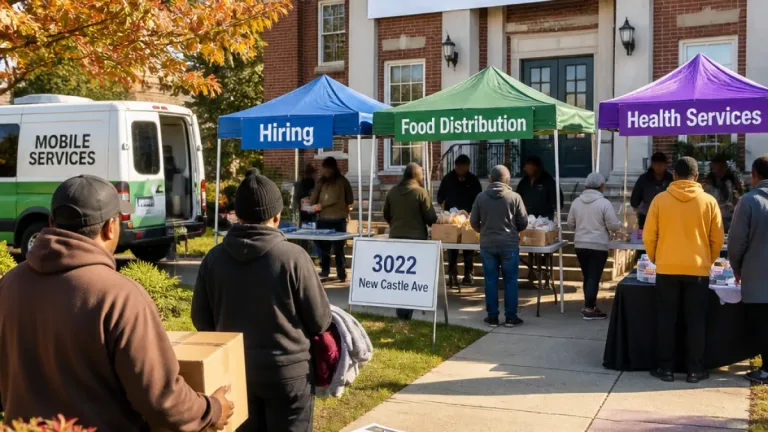
Residents and community organizations wanting to help should consider practical steps that respond to immediate needs while preserving family unity where possible. These include:
- Providing short-term financial support for food, clothing and school supplies.
- Connecting the family with legal aid organizations experienced in immigration and family law.
- Helping register or enroll children in school and apply for any eligible public benefits.
- Offering childcare, transportation or mentorship to lighten the caretaker’s load.
| Age | Role |
|---|---|
| 18 | Primary caregiver, college plans postponed |
| 16 | Sibling |
| 3–15 | Younger siblings |
Resources and next steps
Local agencies and national groups that focus on immigrant families can often assist with both legal representation and social services. Churches and school guidance counselors are also typical first calls for families in crisis. The long-term resolution for this family will depend on the outcome of immigration proceedings, the availability of nearby relatives or foster care placement, and the capacity of local nonprofits to provide sustained assistance.
The case is a reminder that immigration policy and enforcement are not abstract debates: they have immediate consequences for children who are U.S. citizens and for teenagers forced to become caregivers overnight. For communities across Florida, the question remains how best to respond when enforcement actions create sudden family emergencies.
— Javier Castellanos, WE NEWS