
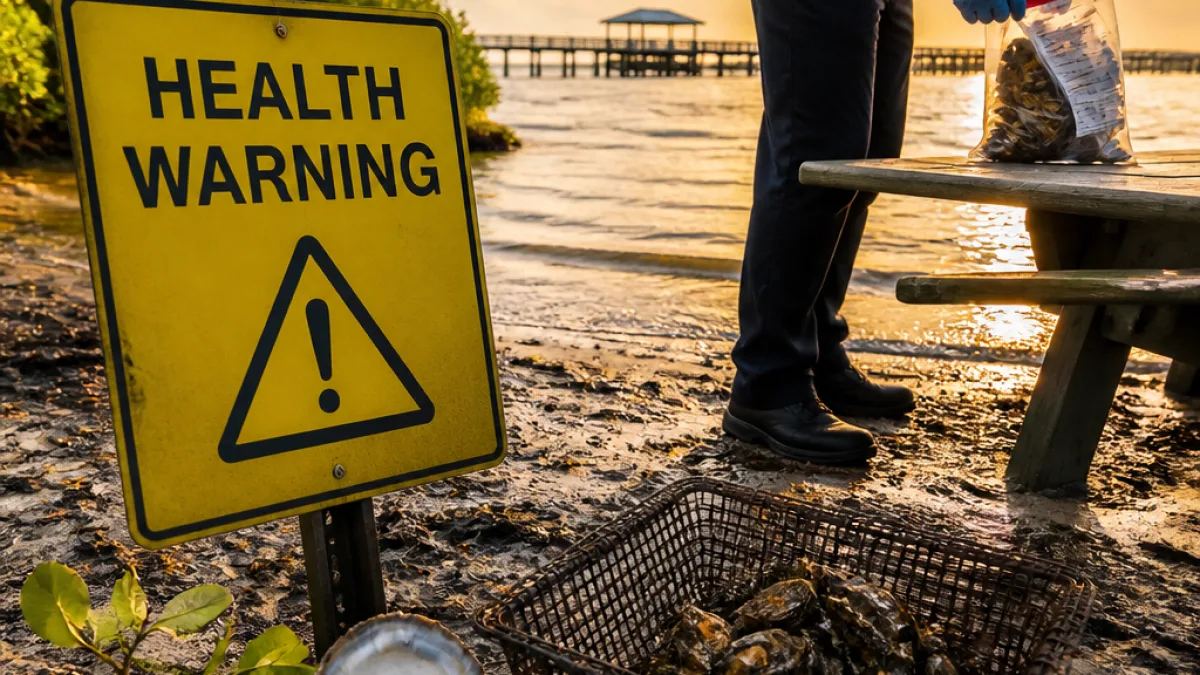
Florida health authorities confirmed a fourth death connected to the flesh‑eating bacterium Vibrio vulnificus, underscoring renewed concerns about eating raw shellfish and entering warm, brackish waters with open cuts.
Fatality details and state count
The latest death involved a Broward County resident between the ages of 75 and 79, officials said Thursday. The state Department of Health's updated tally lists 21 reported cases of Vibrio vulnificus in 2026; the addition of the Broward fatality brings the year’s confirmed deaths to four.
Previous fatalities this year were recorded in Bay, Palm Beach and Marion counties. Health officials have not determined the exact exposure pathway for the most recent case.
How people become infected
Vibrio vulnificus occurs naturally in warm, brackish seawater. Infection most commonly follows two exposure routes:
- Consuming raw or undercooked shellfish, especially oysters.
- Entering contaminated water when a person has an open wound or cut.
"Most people get vibriosis by eating raw or undercooked shellfish, particularly oysters," the Florida Department of Health said.
When the bacterium reaches the bloodstream, it can cause severe illness. The state cites data indicating bloodstream infections from Vibrio vulnificus are fatal in about 50% of cases.
Context: recent years and weather connections
Public health records show that 2022 and 2024 were particularly active years for Vibrio infections in Florida. In 2024 the state reported 82 cases and 19 deaths, while 2022 recorded 74 cases and 17 deaths. Officials have linked some of the increases in those years to counties affected by major storms, which can create standing or floodwaters that increase exposure risk.
| Year | Reported cases | Reported deaths |
|---|---|---|
| 2022 | 74 | 17 |
| 2024 | 82 | 19 |
| 2026 | 21 (so far) | 4 (so far) |
Public guidance and practical advice
Florida health officials continue to caution residents and visitors about simple steps to reduce risk:
- Avoid eating raw or undercooked oysters and other shellfish.
- Do not enter brackish or saltwater with open cuts, scratches or other wounds.
- Seek prompt medical care if you develop signs of infection after water exposure or shellfish consumption; bloodstream infections can progress rapidly.
People with weakened immune systems, chronic liver disease, diabetes or other underlying conditions are at heightened risk for severe illness from Vibrio infections. Those individuals are strongly advised to avoid raw shellfish altogether and to protect any skin breaks when swimming in coastal waters.
Local impact and surveillance
The new fatality reinforces ongoing surveillance efforts by county and state health departments. Agencies monitor reported cases, investigate potential exposure links and issue advisories when necessary. For coastal communities that rely on recreational fishing and oyster harvesting, public warnings can have economic as well as health impacts.
Health departments typically update case counts as new laboratory-confirmed infections are reported. Residents should check the Florida Department of Health website and local county health pages for the latest guidance and any area-specific advisories.
What to watch for
Symptoms of Vibrio infection vary by exposure type but can include fever, chills, nausea, vomiting and diarrhea after eating contaminated shellfish, and redness, swelling and severe pain around a wound exposed to seawater. Because bloodstream infections can be life‑threatening, prompt diagnosis and treatment are critical.
The state's recent pattern of cases, and the concentration of deaths among older adults and those with chronic illnesses in prior years, mean health officials are likely to continue emphasizing prevention measures through the remainder of the year.
For now, coastal residents and visitors should exercise caution with shellfish and protect any skin breaks when in warm coastal waters.

















