
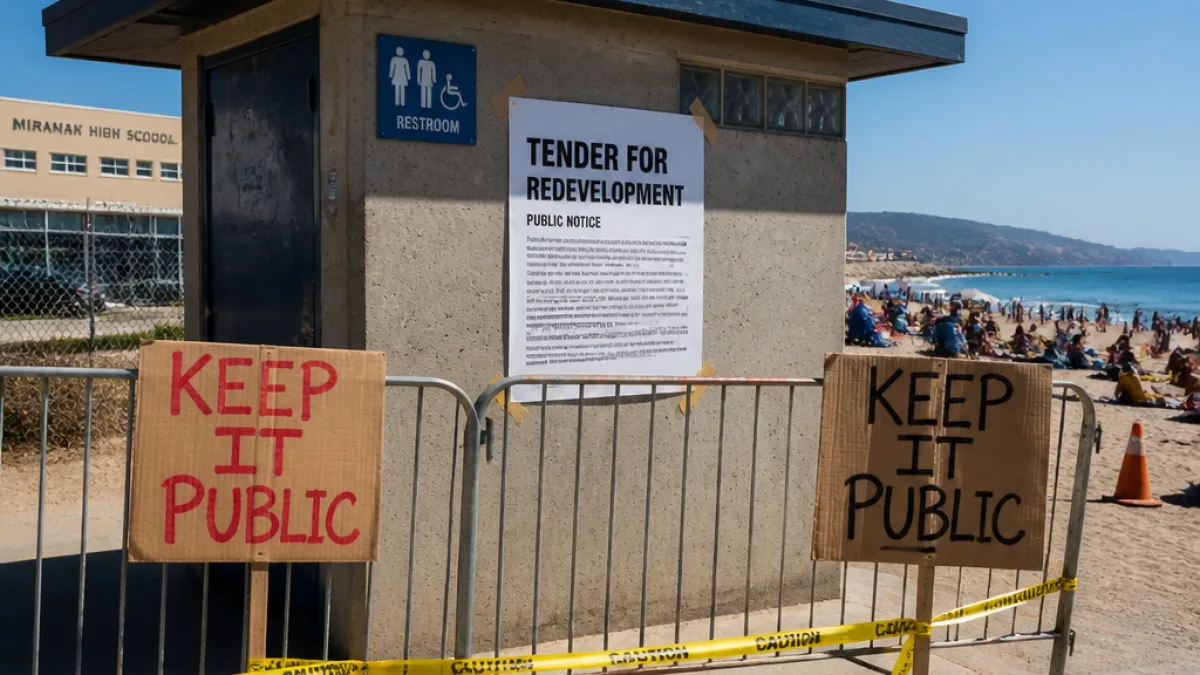
The tourism department’s plan to redevelop the public toilet block at Miramar beach into a mixed facility featuring a cafe, refreshment area, co‑working space and commercial shops has run into opposition from a senior elected official, who warned the change could curtail public access and harm the character of the beach.
Pushback from a local leader
Atanasio ‘Babush’ Monserrate, the revenue minister and Panaji member of the Legislative Assembly, wrote to Tourism Minister Rohan Khaunte expressing strong objections to the tender process that invited bidders to develop, operate and maintain the toilet block on a public‑private partnership basis.
“While there is a clear public need for a proper, clean and well‑maintained public toilet block at the beach, there is no justification for combining this essential public facility with a commercial establishment,” Monserrate wrote.
Monserrate argued that a public toilet on a public beach should remain a public facility, "freely accessible to every beach user — local residents, children, families, senior citizens, visitors and tourists," and warned that integrating commercial operations could lead to restricted access and other unintended consequences.
Concerns cited by the legislator
- Potential restriction of access during operating hours or when commercial operators close or impose customer‑only rules.
- Increased crowding, noise and waste from adjoining cafe and shops.
- Traffic and management issues arising from mixed uses on a small site.
- Proximity to a school opposite the proposed site, which Monserrate said requires careful assessment.
The tourism department’s tender called for development, operations and maintenance of the existing toilet block alongside "allied services" on a PPP basis. The proposal’s proponents have framed such projects as a way to modernize public amenities while leveraging private investment for upkeep and operations, but Monserrate’s letter underscores the tensions that can emerge when essential public services are paired with commercial activity.
What the plan would add
| Existing facility | Proposed additions |
|---|---|
| Public toilet block | Cafe, refreshment area, co‑working space, commercial shops |
Monserrate urged that no commercial development be permitted on the first floor of the toilet block without proper public consultation and a comprehensive assessment of impacts on beach users and the school nearby. He warned that combining an essential public service with commercial activity could create "avoidable problems regarding access, crowding, noise, waste, traffic and the general use of the beach."
Broader implications for public‑private partnerships
Across many coastal and recreational settings, governments have looked to PPPs to upgrade facilities where public funds are limited. Supporters say private operators can deliver cleaner, better‑maintained amenities and offload operational costs from the public purse. Critics counter that privatization risks limiting access, changing the character of public spaces and prioritizing profit over community needs.
For residents and users of Miramar beach, the debate now centers on where to strike that balance: how to modernize and maintain essential infrastructure while preserving unfettered public access and protecting surrounding uses such as nearby schools. The tourism department has initiated the tendering process; the next steps will determine whether the plan proceeds as proposed, is revised after public consultation, or is shelved in response to the objections raised by Monserrate and others.
Local stakeholders and residents who value open access to beachfront amenities will be watching the response from the tourism ministry and any ensuing public consultation closely. Any changes affecting public access or the character of the beach could prompt further public meetings or formal challenges as the tender process moves forward.

















