
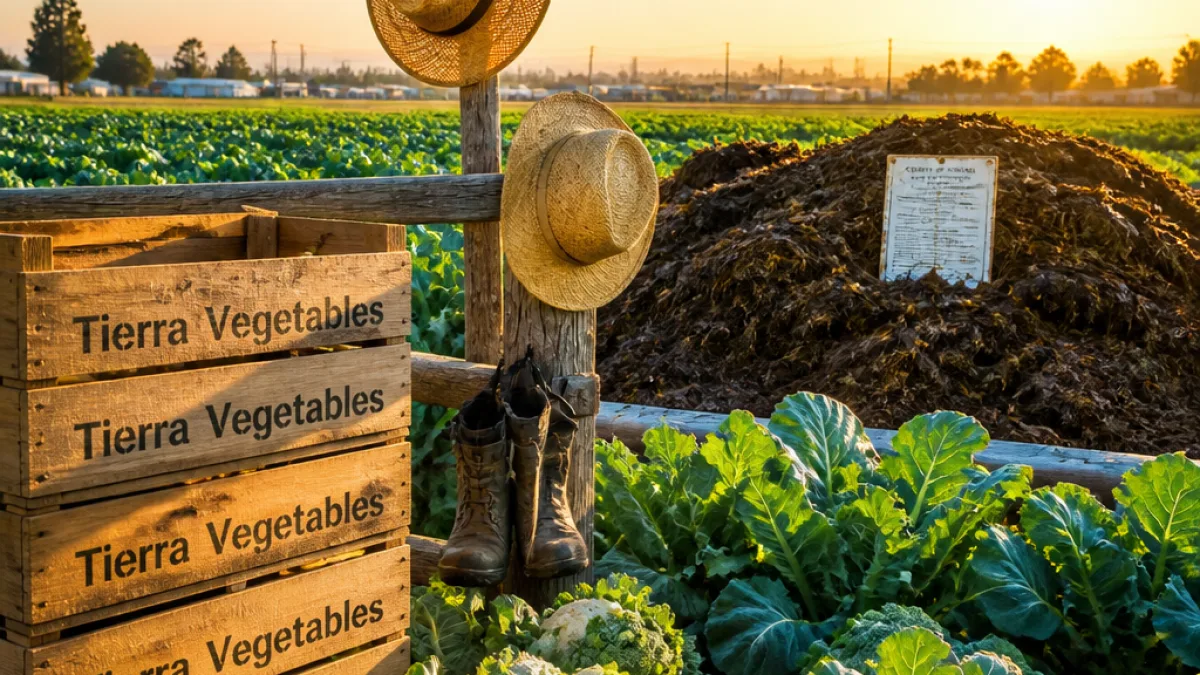
Santa Rosa — After more than 45 years supplying organic vegetables to Sonoma County restaurants, markets and residents, siblings Wayne and Lee James are preparing for what they describe as a final harvest at their operation, Tierra Vegetables.
Decades of local service
The Jameses built a reputation for high-quality broccoli, cauliflower and other vegetables that drew a devoted local following and regular business from Bay Area restaurants and food buyers. For many in the local food scene, Tierra Vegetables has been a dependable source of organic produce and a visible symbol of Sonoma County’s agricultural culture.
Both siblings signaled that their decision to step back is driven foremost by age and the physical demands of running a farm. But they also pointed to regulatory changes and the loss of practices that had sustained soil health and yields for decades.
Composting dispute and regulatory friction
The operation’s ability to produce the rich compost that underpinned its yields has been curtailed. Wayne James told reporters the county shut down Tierra’s composting activity; the family used yard waste from a landscaping company to make compost and amend soil for crops.
"We really feel like we were contributing to environmental improvement by composting waste, and helping public health by growing fresh, nutritious organic vegetables," Wayne said.
According to the Jameses, composting deliveries once saved local landscaping firms trips to disposal sites and reduced landfill use while providing the farm with critical organic matter. The stoppage of that practice is presented by the family as one of several non-labor pressures accelerating their decision to wind down production.
Practical and economic consequences for the community
The impending closure of Tierra Vegetables carries several local implications. Restaurants that relied on the farm for specialty or seasonal items will need to redirect orders to other suppliers, possibly farther afield, and local markets and consumers may lose a trusted source of certain organic crops.
- Supply chain: Local chefs and buyers must seek alternative growers or distributors, which could raise costs or complicate sourcing of specialty produce.
- Environmental impacts: The family argues that on-farm composting reduced waste and improved soils; its loss may change how farms in the area manage organic waste streams.
- Labor and land use: The closing highlights broader challenges of an aging farm workforce and the tension between regulatory frameworks and day-to-day farming practices.
The Jameses’ account underscores a tension that exists across parts of Sonoma County: while the county promotes an agricultural identity and maintains programs that support farmland, the regulatory environment can create conflicts for producers who operate small- to mid-scale sustainable practices.
What the Jameses said about why they’re stepping back
Lee James framed the decision plainly: farming remains intensive work. "A big part of it is that we're getting old," Lee said. "Farming is hard work seven days a week. It's getting difficult to keep up." That reality, paired with changes in how the farm can handle compost inputs and other land-use restrictions, left the siblings reassessing the operation’s future.
| Item | Detail |
|---|---|
| Years in operation | More than 45 years |
| Main products | Broccoli, cauliflower and other organic vegetables |
| Primary challenges cited | Aging owners, composting curtailment, regulatory constraints |
While the Jameses did not outline a definitive closing date in the reporting, they made clear the farm is approaching an end of an era for a family operation that contributed to the county’s local-food economy.
Broader context in Sonoma County
Sonoma County markets itself as supportive of agriculture through preservation programs and promotion of sustainable farming, but the Jameses’ experience shows how policy, enforcement and public health considerations can sometimes run counter to longstanding farm practices. For smaller growers that rely on low-cost organic amendments and hands-on labor, such shifts can be decisive.
For local buyers, cooks and residents who have come to expect Tierra’s produce, the change will be tangible. For county officials and agricultural stakeholders, the Jameses’ announcement may prompt renewed conversations about balancing environmental and public health safeguards with the practical needs of farmers who operate at a human scale.
As the James siblings move through what they describe as a final season, their fields and deliveries will serve as a reminder of both the resilience of family farming and the pressures facing small agricultural operations in a region once best known for its fertile, community-focused farms.















