
Electrical capacity becomes part of Salinas’ housing equation
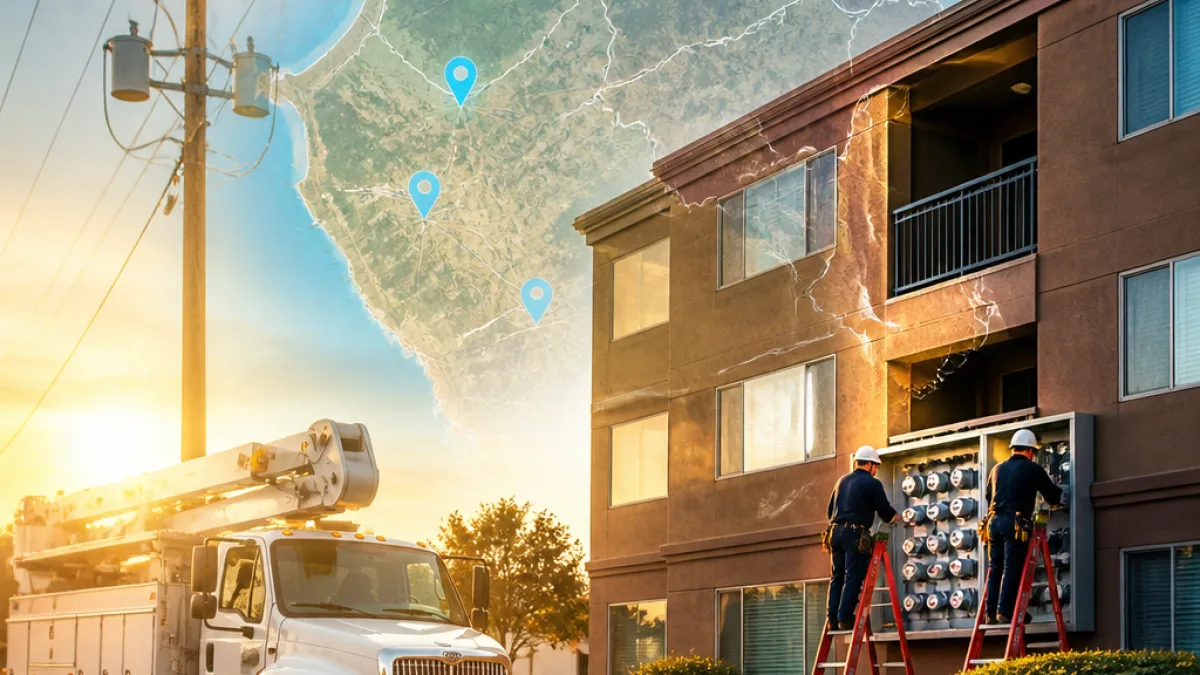
Salinas is moving beyond questions of how many homes the city can approve to asking whether existing electrical systems in multi‑family properties can support the planned expansion. Local contractor Coastal Power Electric says it is coordinating permits, inspections and work with Pacific Gas & Electric to upgrade electrical panels and service for apartment buildings and other multi‑family properties across Monterey, San Benito and Santa Cruz counties.
The issue is immediate in a city where roughly 53% of households rent and the city has a target of 6,674 additional housing units planned through 2031 — a number the company notes is about three times the city’s previous allocation. Upgrading electrical service in multi‑family buildings can turn a routine panel replacement into a larger service project when meter configurations, incoming service capacity or utility requirements are involved.
What Coastal Power Electric says it does
- Coordinates permitting and inspections tied to multi‑family electrical work.
- Handles PG&E coordination needed when upgrades require changes to incoming service or meter packs.
- Manages the broader approval path and technical scope that can exceed typical residential contractors’ experience.
Because the work frequently touches utility service and meter configurations shared by multiple units, Coastal Power Electric describes its role as taking a multi‑family job through the full approval and implementation path. The company’s approach aims to reduce the burden on property owners who would otherwise need to coordinate multiple agencies and contractors.
Why upgrades can be more complicated than replacing a panel
Contractors and property owners confronting electrical upgrades in apartment buildings commonly discover that the work affects more than a single panel. Existing service capacity, the arrangement of meter packs and code requirements for multi‑unit facilities can trigger the need for service upgrades or reconfiguration.
When a project exceeds the typical residential scope, some contractors refer the work to firms like Coastal Power Electric. That handoff, the company says, centralizes responsibility for both the hands‑on electrical work and the regulatory or utility communications required to place an upgraded service into operation.
| Metric | Figure |
|---|---|
| Share of renter households in Salinas | 53% |
| Planned additional housing units through 2031 | 6,674 |
Local consequences and unanswered questions
For renters and property managers in Salinas, the technical and permitting challenges mean construction timelines and costs may increase if upgrades require utility‑level work. The city’s housing targets depend not only on zoning and approvals but on infrastructure that can meet modern electrical demands, particularly as tenants add more appliances, electric vehicle chargers and other loads.
City officials and developers will need to factor in the potential for increased workloads on contractors who can navigate the utility approval path. For residents, the practical impact could include longer construction periods or higher costs passed through in rents or assessments on multi‑family property owners.
Coastal Power Electric’s regional focus across Monterey, San Benito and Santa Cruz counties illustrates a market response to that gap: when conventional residential contractors encounter meter packs, incoming service issues or PG&E coordination requirements, they may hand projects to firms that specialize in the broader scope. How frequently that handoff occurs in Salinas and whether the city will need to expand its permitting capacity to match demand are open but relevant questions for planners and housing advocates.
As Salinas pursues an ambitious housing growth target, electrical infrastructure — from individual panels to service entries shared by multiple units — is now part of the conversation about how and how fast new housing can come online.















