
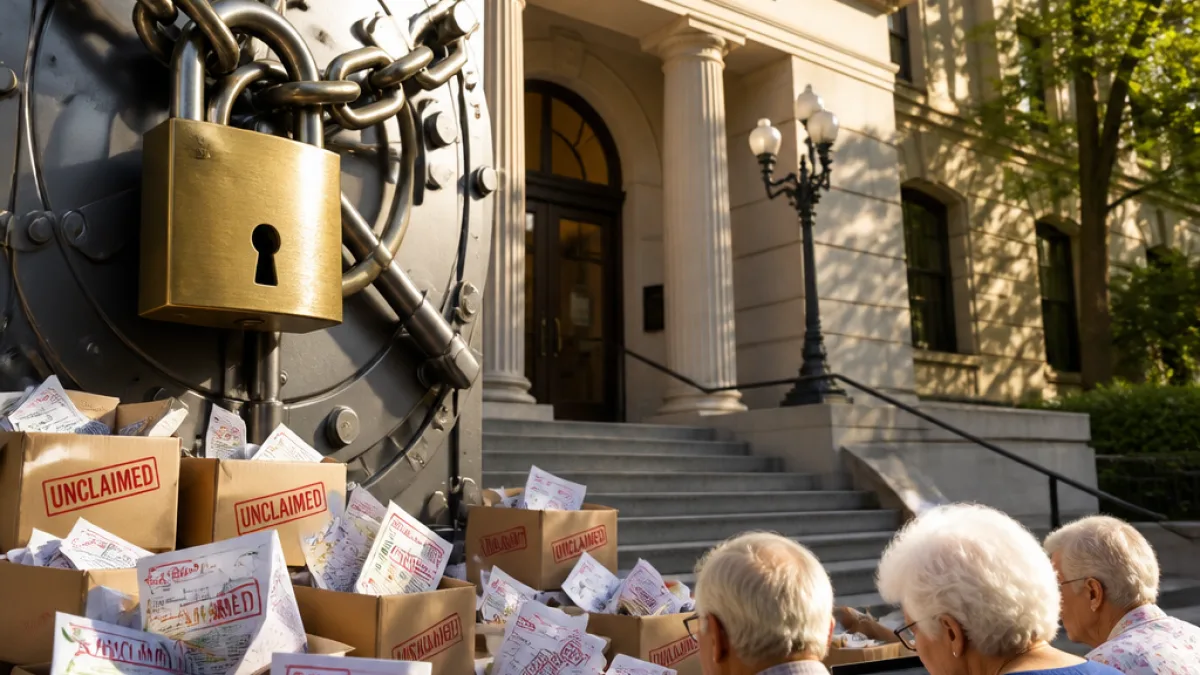
Sacramento is the custody point for a sprawling state program that holds an estimated $15 billion in unclaimed assets, and the policy governing how those assets are reported and transferred has drawn criticism from some residents, notably retirees who say the rules are too strict and the state is effectively collecting revenue it should return.
How property ends up in Sacramento
Under California's unclaimed property program, businesses report assets they believe belong to owners they cannot contact and remit them to the State Controller's Office in Sacramento for safekeeping. Items that can be reported include uncashed checks, insurance proceeds, securities, contents of safe-deposit boxes and forgotten savings accounts.
Critics say the definitions that trigger a transfer to the state make it easy for accounts to be turned over. In California, an investment account can be declared abandoned after just three years of inactivity, even if the owner has a current address on file, according to critics' accounts.
"Three years is a flash," wrote one retiree describing how years of careful saving could be judged abandoned during a brief life transition.
Financial scale and state receipts
Advocates for owners of unclaimed property point to the program's size and financial impact: the state is reported to be holding about $15 billion in assets, and Sacramento claims roughly $1 billion a year from items it is supposed to hold for others. Critics characterize that money as belonging to individual savers and argue it should not be supplementing the state budget.
| Figure | Amount |
|---|---|
| Reported unclaimed assets | $15 billion |
| Approximate annual receipts to state | $1 billion |
| Inactivity period before property is reportable | 3 years |
Who is affected in Sacramento and beyond
Those most often cited as harmed by the program include retirees and long-term investors who may pause activity in accounts during life changes such as job moves, caregiving responsibilities or other normal interruptions. One voice describing the experience said that while state agencies easily find residents when the state seeks payment, the reverse — finding people who are owed money — can be far more difficult.
- Retirees and long-term savers who have periods of inactivity in investment or savings accounts.
- Heirs or family members searching for owed payouts from insurance or other financial products.
- Small businesses and institutions required to report dormant accounts to the state.
State officials are tasked with safeguarding reported property until rightful owners claim it. But some residents and commentators argue California could be more proactive in returning money to people rather than letting it remain in state custody or be absorbed into general receipts.
Local context and policy questions
For Sacramento-area residents, the program raises policy questions about consumer protections, outreach and the appropriate dormancy period before property can be reported as unclaimed. Critics say a three-year standard is too brief, particularly for long-term investment accounts that owners may intentionally leave inactive.
Proponents of the current rules say unclaimed property statutes provide a mechanism to centralize assets and give owners a single place to search for missing funds. Opponents counter that more proactive return efforts and longer inactivity thresholds would reduce the number of rightful owners who never learn the state is holding their money.
Officials at the State Controller's Office in Sacramento manage the unclaimed property program and post resources for people searching for assets. Residents who suspect they may have unclaimed funds can search the office's database and follow the office's claim procedures.
The debate over how aggressively the state should collect, hold and return unclaimed property is likely to continue as Californians and Sacramento residents weigh the trade-offs between centralized custodial safeguards and ensuring that individuals promptly recover assets they consider theirs.















