
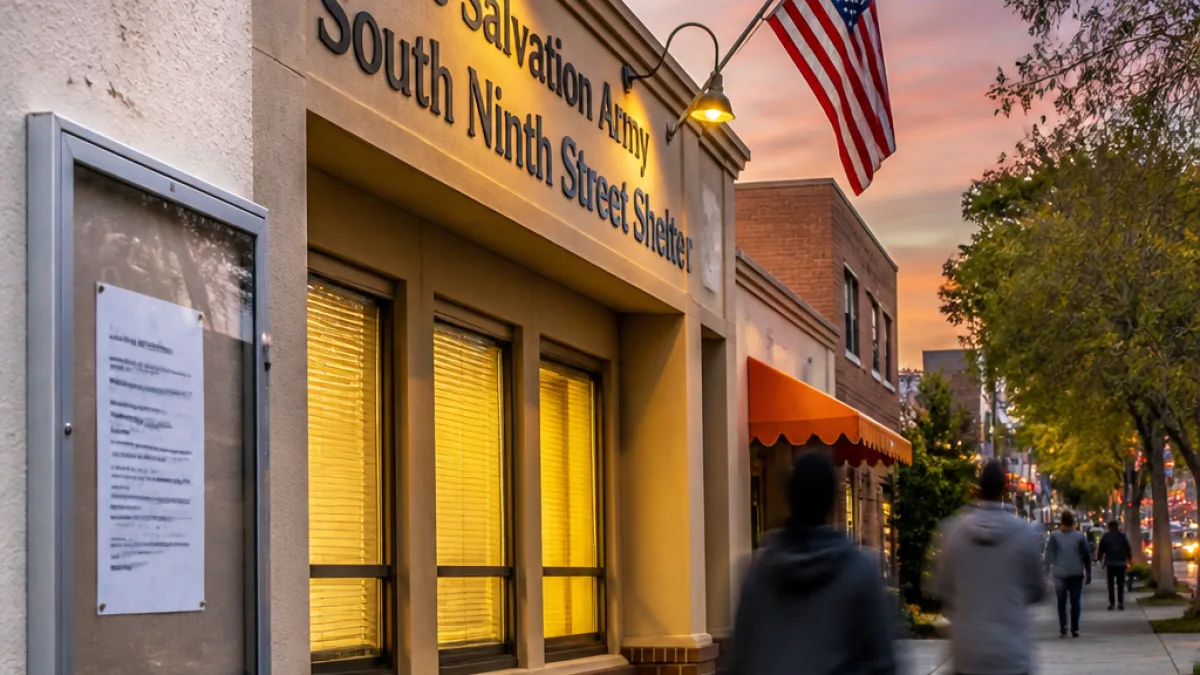
City moves to bridge funding gap for emergency shelter
Modesto moved Tuesday to preserve emergency shelter operations at The Salvation Army campus on South Ninth Street by approving $591,000 in one-time funding aimed at maintaining services through the end of 2026. The consent-item vote was 6-0, with Councilman Jeremiah Williams recusing himself.
The funding package combines $491,000 from the state’s Permanent Local Housing Allocation program and $100,000 drawn from the city’s Cannabis Community Benefit fund. A city staff report said the dollars will sustain operations at the shelter campus from Oct. 1 through Dec. 31, 2026, covering staffing, program administration and facility-related costs.
Shortfall prompted quick action
City officials said the emergency funding was necessary after a major state source, Homeless Housing, Assistance and Prevention (HHAP), was left out of the state budget for 2025-26. That omission created a shortfall that threatened services at the Access Center Emergency Shelter — known as ACES — a 182-bed facility at Ninth and D streets.
Modesto, Stanislaus County and The Salvation Army have worked to assemble interim funding since the shortfall became apparent last year. In May, the county General Services Agency extended the termination date of the facility lease agreement to Sept. 30, a move that gave local officials additional time to secure support.
“The $591,000 will provide critical support for staffing, program administration and facility-related costs.”
Scope of services at the Salvation Army campus
The Salvation Army campus serves as a major component of Modesto’s response to homelessness. According to the city report, the entire campus contains nearly 410 shelter beds for adults, and staff feed almost 600 people per day. Beyond emergency lodging and meals, the campus provides case management and other services intended to help people move toward permanent housing.
Since ACES opened in 2019, more than 110 individuals have progressed through the program to permanent housing, the report said. City leaders emphasized that the recent allocation is a stopgap measure while they, the county and The Salvation Army continue to seek more sustainable financing.
Funding breakdown and local context
The approved funds come from two distinct sources: a state housing allocation and a one-time community benefit payment tied to a former local industrial hemp operator. The $100,000 cannabis-related contribution stems from an agreement with Canopy Growth USA, which operated a Modesto hemp facility until mid-2023 and committed to a $300,000 community benefit gift payable in three annual installments; The Salvation Army was chosen as the recipient for the second-year payment.
| Source | Amount |
|---|---|
| Permanent Local Housing Allocation (state) | $491,000 |
| Cannabis Community Benefit fund (Canopy Growth agreement) | $100,000 |
| Total approved | $591,000 |
- ACES capacity: 182 beds at Ninth and D streets
- Campus capacity: Nearly 410 adult shelter beds
- Meals provided: Almost 600 people per day
Next steps and longer-term aims
City officials say the one-time allocation does not replace the need for ongoing revenue streams to keep shelter programming stable. Modesto and Stanislaus County officials continue to coordinate with The Salvation Army to identify more durable funding options. City staff noted that since ACES began operating in 2019, the facility has relied on more than 20 different funding sources.
For residents and service providers, the approved funds mean continuity of shelter access, case management and daily meals for the immediate future. For city leaders, the vote underscores the broader challenge facing local governments across California: how to sustain essential homeless services when state-level funding priorities shift.
As conversations continue among city, county and nonprofit partners, officials say they will pursue additional funding opportunities to avoid another short-term scramble at the end of the year.
















