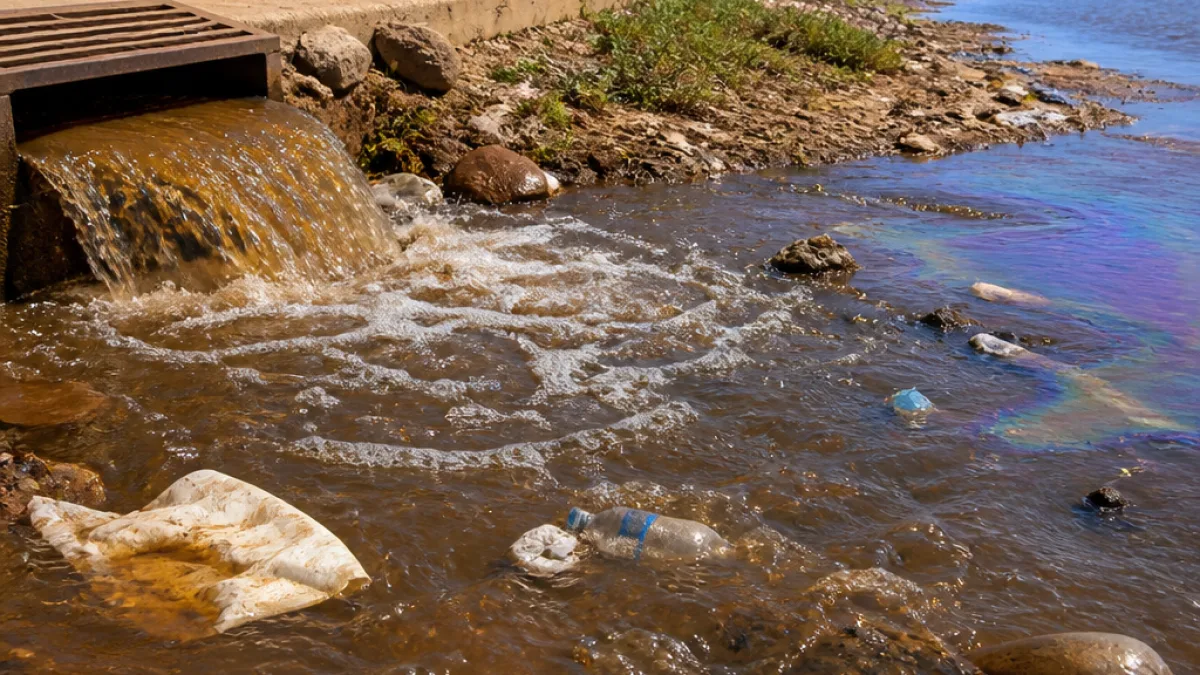
Stormwater runoff strains systems and threatens playa lakes
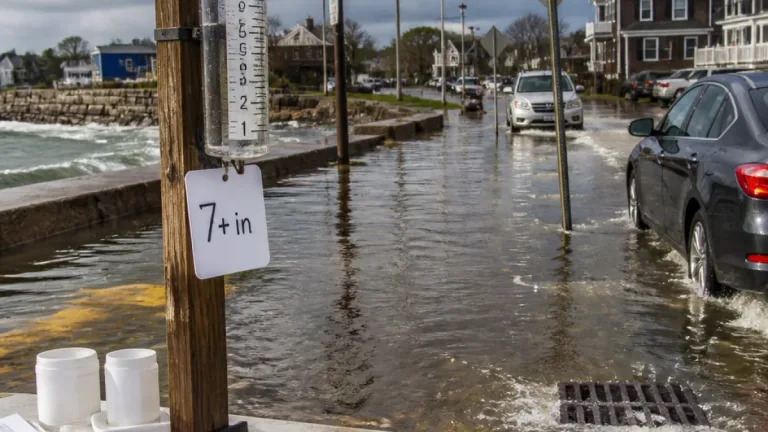
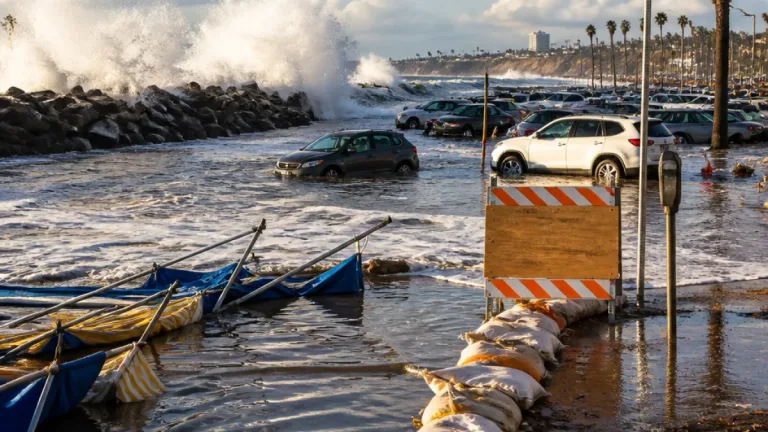
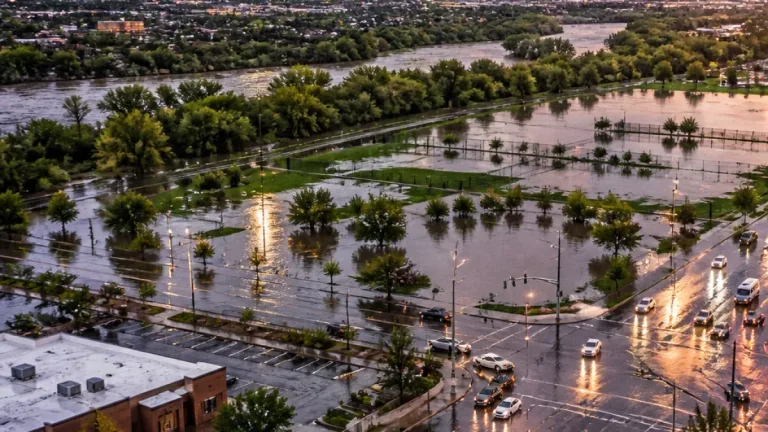
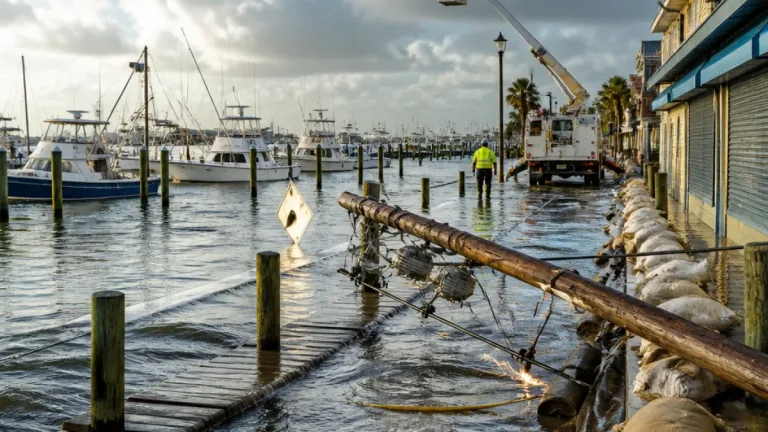
Heavy rain in Lubbock does more than flood streets and yards. As water flows across pavement, rooftops and lawns it picks up and transports a variety of pollutants into the city's playa lakes and drainage channels, increasing risks to wildlife and potentially to human health.
City drainage systems here can be overwhelmed quickly during intense storms. When that happens, stormwater becomes a vehicle for contaminants that do not readily soak into the ground. Local officials and environmental advocates point to five broad categories of stormwater pollution that Lubbock residents should be aware of and work to reduce.
- Sediment — Soil and fine particles from construction sites, bare ground and eroded areas that cloud water and can clog drains.
- Nutrients — Nitrogen and phosphorus from fertilizers and pet waste that fuel excessive algae growth.
- Bacteria — Pathogens from failing septic systems and animal waste that pose health risks.
- Litter — Plastic bags, cups, cigarette butts and other debris that harm wildlife and degrade waterways.
- Chemicals — Household cleaners, pesticides, motor oil and other toxics that are harmful to plants and animals.
"As rainwater gathers and travels across roads, sidewalks and lawns, it picks up certain pollutants that either don't or can't soak into the ground,"
That process — known as stormwater pollution — contributes to cloudy, oxygen-depleted water and can directly affect the health of fish, birds and other wildlife. Sediment reduces sunlight penetration, hampering aquatic plants; nutrients can trigger algal blooms that consume dissolved oxygen; and chemicals or bacterial contamination can be toxic to organisms that come into contact with the water.
Local impacts and common sources
Construction activity, landscaping, vehicle maintenance and everyday waste disposal are frequent contributors. Improperly managed sites and uncovered soils wash into streets and storm drains. Over-fertilized lawns and pet waste add nutrient loads. Household hazardous materials poured on the ground or into storm drains travel with runoff instead of being disposed of through proper channels.
Floating trash also presents hazards for wildlife that may mistake debris for food or become entangled. Bacteria from failing septic systems or overflow can present health concerns for anyone who comes into contact with contaminated water.
| Pollution type | Typical sources | Local consequence |
|---|---|---|
| Sediment | Construction, erosion | Cloudy water, clogged drains |
| Nutrients | Fertilizer, pet waste | Algae blooms, low oxygen |
| Bacteria | Septic overflow, animal waste | Health risks to wildlife and people |
| Litter | Improper disposal | Wildlife hazards, visual pollution |
| Chemicals | Motor oil, cleaners, pesticides | Toxic effects on ecosystems |
How residents can help protect waterways
Mitigating stormwater pollution requires changes by households, businesses and construction contractors. The City of Lubbock and environmental groups recommend a series of practical steps:
- Keep construction sites covered and stabilized to reduce erosion.
- Apply fertilizers sparingly and sweep excess from paved surfaces back onto lawns.
- Pick up pet waste promptly and dispose of it in the trash.
- Never dump motor oil, pesticides or household cleaners outdoors; use designated disposal facilities.
- Secure trash and recycling to prevent litter from blowing into streets and drains.
Many of these steps also help reduce local flooding by keeping drains and channels clear of debris and sediment. Residents can learn more about stormwater pollution prevention and proper disposal options from the City of Lubbock's environmental services and stormwater resources.
While heavy rains are a feature of Texas weather, how the community manages runoff will determine the ongoing health of Lubbock's playa lakes and the creatures that depend on them.