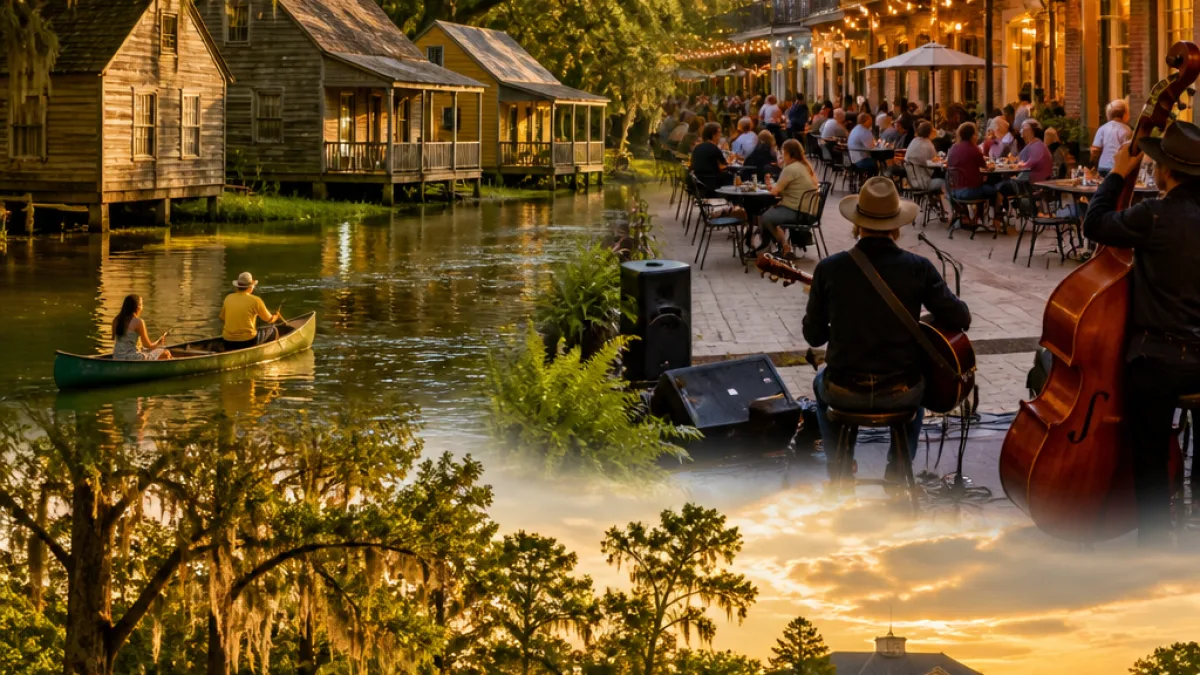
LAFAYETTE — A newly updated local roundup of attractions frames Lafayette as a living cultural landscape rooted in Cajun and Creole traditions, recommending experiences that range from outdoor living-history museums to evening music along Jefferson Street.
Why these picks matter to Lafayette
The list underscores what many residents already know: Lafayette’s appeal rests not just on single sites but on how food, music and history intersect across neighborhoods. For families, visitors and new residents, the guide offers a compact set of options that emphasize accessibility, local interpretation and opportunities to hear live music without leaving the city center.
Top cultural highlight in the update is Vermilionville, the living-history village along Bayou Vermilion. The site recreates Acadian, Creole and Native American life from roughly 1765 to 1890 across about 23 acres. Interpreters in period costume staff reconstructed homes, and a working blacksmith shop and chapel are part of the grounds. The Bayou Vermilion District operates the village, which also features an on-site restaurant, La Cuisine de Maman, serving traditional Cajun fare.
| Site | Location | Notes |
|---|---|---|
| Vermilionville Historic Village | South Lafayette | Closed Mondays; daytime hours rest of week; under $15 admission |
Timing visits to catch music and demonstrations
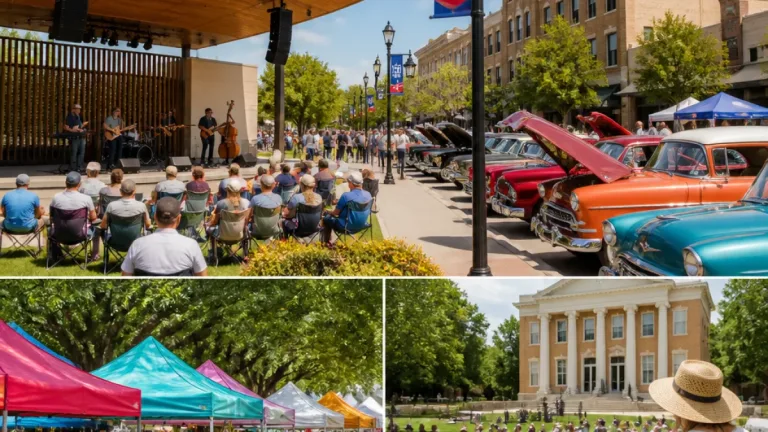
Live music and cooking demonstrations at Vermilionville shift seasonally, and the calendar can determine whether a walk through the grounds feels like a static tour or a full cultural performance. The guide advises planning around an afternoon with live music when possible — porch sessions and dance-hall sets change the pace of the visit and give a clearer sense of how music operates in everyday social life here.
- Music on Jefferson Street: The downtown corridor remains a locus for live Cajun and zydeco late into the evening.
- University attractions: The University of Louisiana at Lafayette contributes public assets, including an architecturally notable art museum and a small lake ringed by alligators, both cited as free landmarks worth a stop.
- Food as central: The roundup notes that sampling a sit-down Cajun meal is essential to the Lafayette experience and should be planned alongside sightseeing.
"Hub City of Acadiana"
That phrase, used by local marketing in the roundup, captures how the list treats Lafayette: not as a single attraction but as a hub where distinct strands of regional culture are concentrated and readily accessible.
What residents should take away
For Lafayette residents, the updated suggestions are a reminder of local assets to highlight for visitors and a prompt to revisit familiar places with fresh intent. Small details — checking a calendar for live sets, midweek visits when some sites are quieter, or pairing a museum stop with a recommended lunch — make a difference in the experience. Vermilionville’s affordability and regular programming make it a practical option for school trips, family outings and newcomers seeking an orientation to regional history.
The guide also implies a modest tourism implication: by promoting free and low-cost landmarks alongside paid attractions, it supports a mix of day-trip itineraries that can keep visitors local rather than pushing them toward more distant destinations. That variety matters for neighborhood businesses that depend on both lunchtime and evening traffic — from restaurants serving traditional home cooking to venues carrying live music past sunset.
Readers planning a visit should consult individual sites’ calendars and hours before traveling; seasonal schedules, demonstrations and live-music lineups are the items most likely to change between postings and will shape whether an outing feels like a casual stroll or a fuller cultural encounter.
The updated local consensus offers a compact road map: combine a museum or village visit with an afternoon music session and a sit-down Cajun meal to experience Lafayette as both a place of history and a living, musical culture.