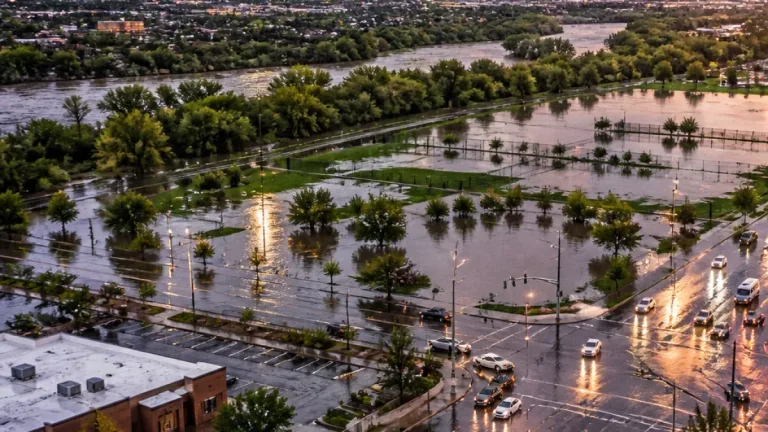
The multiday severe-storm and flooding event that began Aug. 11 has left at least seven people dead across Indiana and created widespread damage that prompted a state of emergency, officials said. The White River rose to historic levels, surpassing a long-standing record set more than a century ago, and responders have mounted high-water rescues, recovery operations and damage assessments.
Fatalities reported across multiple counties
The Indiana State Emergency Operations Center confirmed fatalities in several counties as the storm system moved through the state. Authorities have identified some victims by age and county, while other details remain limited as first responders continue search, rescue and recovery work.
| County | Victim |
|---|---|
| Delaware | 19-year-old man; 58-year-old woman |
| Jennings | 4-year-old boy |
| Lake | woman |
| Porter | woman |
| LaPorte | man |
| Henry / New Castle | 31-year-old man (New Castle); separate incident in Henry County described by a local official |
Officials confirmed the deaths occurred amid rapid, dangerous flooding and infrastructure failures. A local official described one roadway collapse that proved fatal after a bicyclist rode past barricades during high water.
"Early Sunday morning...[he] on a bicycle rode past flood barricades and fell into a hole where the road had collapsed. He died."
The quote came from Carmel City Council member Adam Aasen, who was describing the incident related to the Henry County area.
Widespread impacts, infrastructure threats and emergency response
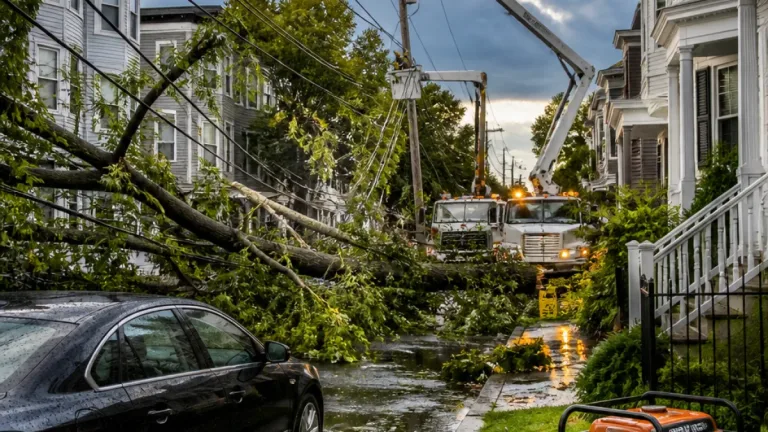
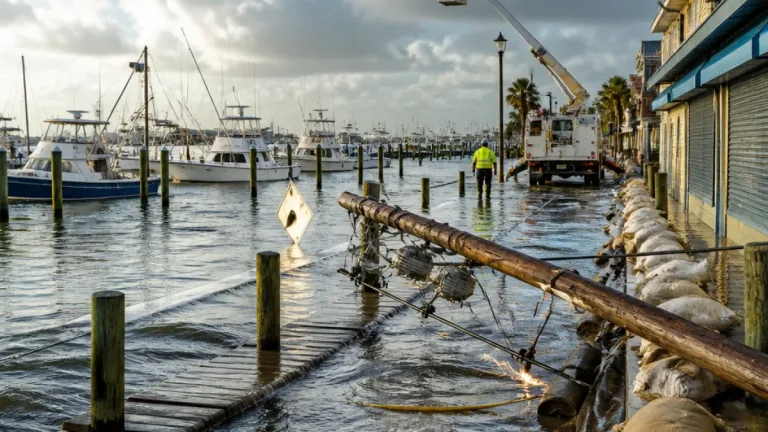
State and local officials reported hundreds of structures affected by flooding, mass power outages and continuing threats to buildings and roads as waters remain high. The governor declared a state of emergency to accelerate resources and support for jurisdictions hit hardest by the storm system.
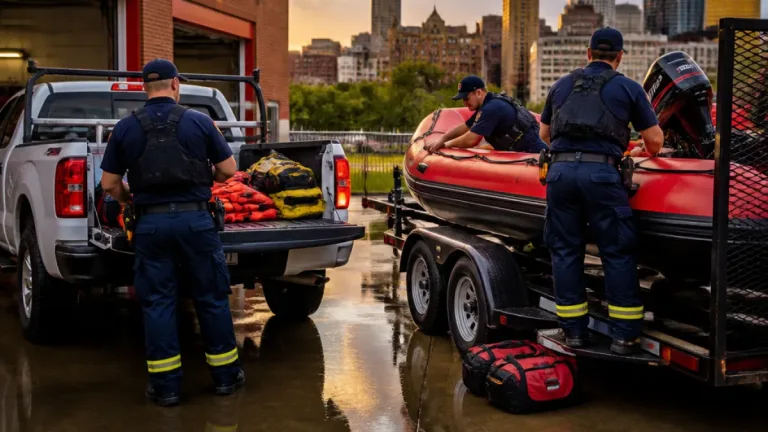
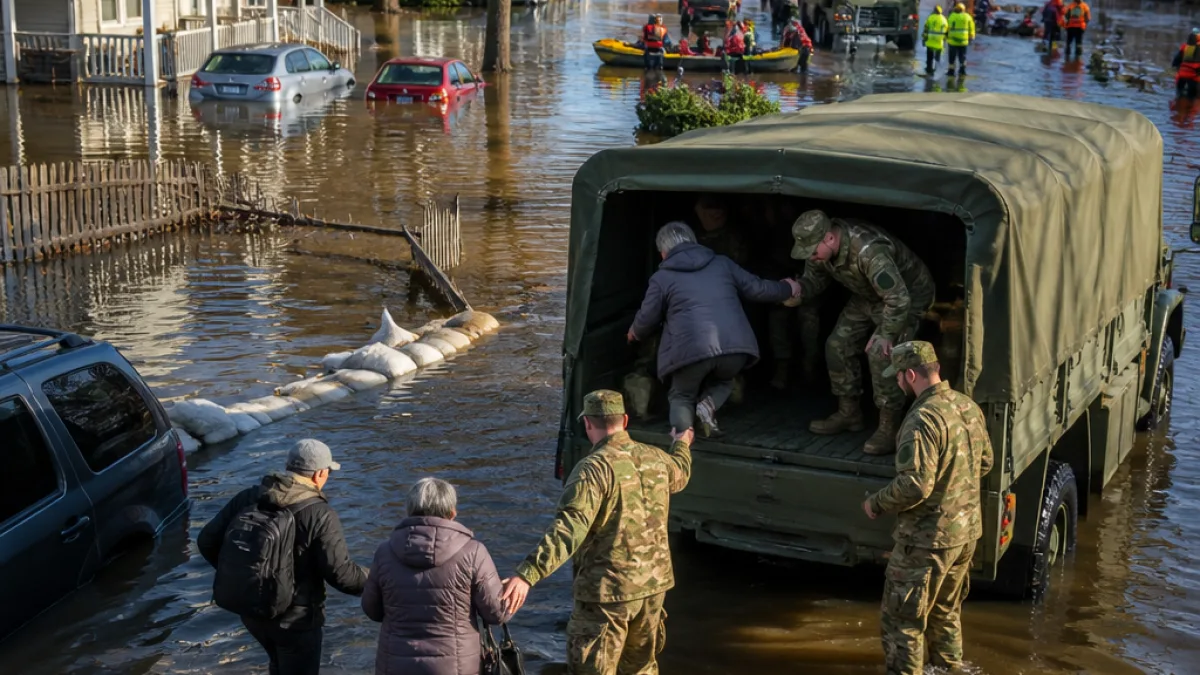
The Indiana National Guard has been deployed to work alongside local first responders during high-water recovery operations, including in Indianapolis. Guard personnel and local emergency teams have been conducting water rescues and assisting with damage evaluations, according to state briefings.
- Seven confirmed fatalities across multiple counties.
- White River crested above its record from 1913.
- State of emergency declared to secure additional resources.
- National Guard assisting with rescue and recovery operations.
Officials warned that floodwaters can remain hazardous long after storms pass. Hazards include submerged roadways, weakened or collapsed bridge approaches, fast-moving currents, contamination and electrical risks in flooded structures. Residents in affected and neighboring communities were urged to heed road closures and local guidance.
What remains uncertain and next steps
As recovery moves forward, state and local authorities will continue to compile damage assessments and update casualty figures. The State Emergency Operations Center is working to coordinate resources, route aid and support community shelters and recovery centers where they are in operation.
Federal assistance eligibility or requests were not detailed in initial state announcements. The governor’s emergency declaration is intended to speed state support and mobilize additional personnel and equipment where needed.
Local officials said clearing debris, restoring power and making preliminary repairs to roads and utilities will be priorities in the coming days, as will ensuring displaced residents have access to temporary shelter and basic services. The National Guard and emergency teams will focus on continued search and rescue tasks where pockets of flooding persist and on helping communities begin damage assessments.
Residents in affected counties should monitor local emergency management channels, avoid flooded areas and report safety hazards to local authorities. The situation remains dynamic, and officials expect evolving information as response and recovery operations progress.
WE NEWS will continue to update readers as officials release additional details on casualties, road closures and recovery resources.