The Yuhaaviatam of San Manuel Nation’s rise from subsistence farming and small community ventures to operating one of the largest gaming floors in the western United States is a case study in tribal self-determination that has reverberated across Southern California.
From hardship to enterprise
The community now known as the Yuhaaviatam of San Manuel Nation traces its homeland to the San Bernardino mountains, valleys and high desert. The tribe was formerly identified as the San Manuel Band of Mission Indians, but in recent years it reclaimed its ancestral name — Yuhaaviatam, pronounced yu-HAH-vee-ah-tahm and translated as “people of the pines.”
Federal records placed the community on the San Manuel Reservation in 1891. According to tribal accounts, the community endured displacement, violence and prolonged hardship. Tribal vice chairman Johnny Hernandez Jr. described the conditions in the decades after resettlement:
"We were put up against the hillside there with non-fertile land and really in an area where people probably didn’t think that we were going to survive."
For many years, the tribe supported itself through small-scale agriculture and community efforts — apricot orchards, livestock sales and bake sales among them — but those activities were not sufficient to support broader community needs.
The bingo hall that changed everything
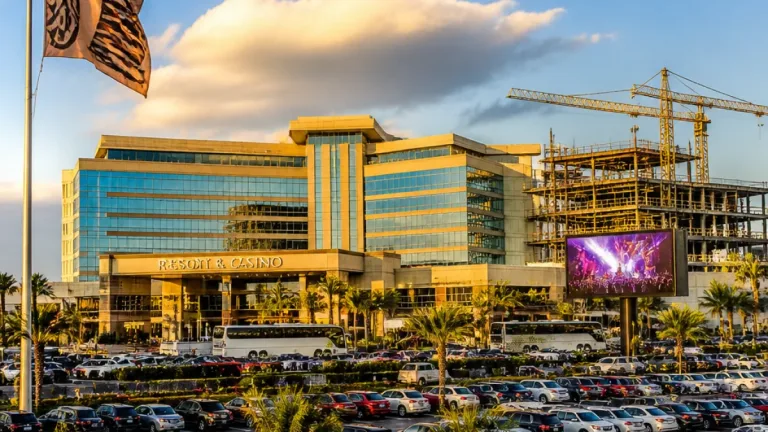
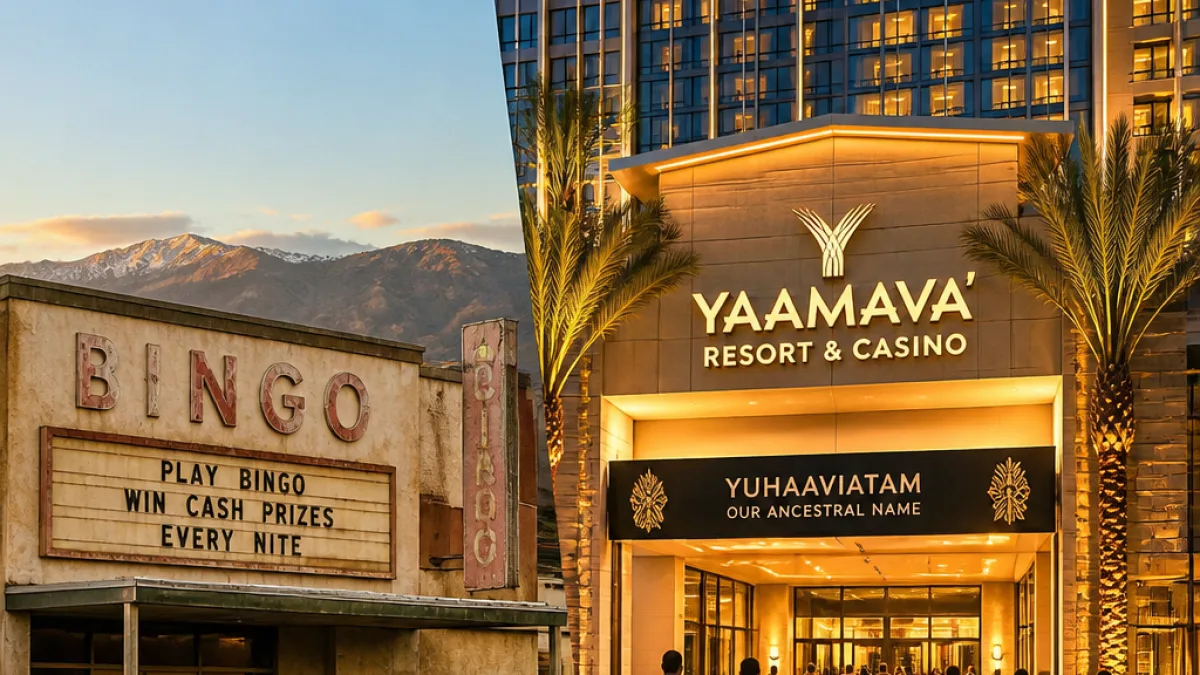
Like other tribes across the nation, the Yuhaaviatam looked to gaming as a path to economic stability. In the 1980s the tribe opened a bingo hall on the San Manuel Reservation in San Bernardino County. That modest operation grew over four decades into Yaamava’ Resort & Casino, an enterprise renowned in the region for large-scale gaming and an expanding entertainment roster.
Today the venue features what the tribe describes as the largest gaming floor in the West, with more than 7,500 slot machines. The resort has also become notable for its concert bookings, with marquee acts that have included Pitbull, Stevie Nicks and the Jonas Brothers — a visible sign of how far the operation has evolved from its bingo-hall origins.
- Origins: Bingo hall opened in the 1980s on the San Manuel Reservation.
- Present scale: Yaamava’ Resort & Casino now operates a gaming floor with over 7,500 slot machines and hosts major concerts.
- Identity: The tribe has reclaimed its ancestral name, Yuhaaviatam, reflecting cultural restoration alongside economic growth.
Timeline and context
| Year / Period | Event |
|---|---|
| Mid-1800s | Violence and displacement; tribal leader Paakuma (Santos Manuel) led survivors from the mountains |
| 1891 | Federal placement on the San Manuel Reservation |
| 1980s | Opening of a bingo hall that would become the foundation for future expansion |
| 2020s | Yaamava’ Resort & Casino operates a major regional gaming and entertainment complex |
The casino’s growth illustrates a broader trend among many tribes nationwide that turned gaming into a revenue source enabling investments in health, housing, education and cultural initiatives. For the Yuhaaviatam, gaming has been tied explicitly to efforts to rebuild and sustain the community after generations of marginalization.
As the tribe marks 40 years since the start of its gaming enterprise, the story underscores how local economies can be reshaped by tribal entrepreneurship and how cultural reclamation — including the return to the Yuhaaviatam name — accompanies economic development.
For residents of Garden Grove and neighboring communities who have long recognized large regional casinos from billboards and concert advertising, the Yuhaaviatam’s experience offers a reminder that the bright lights and marquee names on a signboard represent a deeper history: displacement, resilience and a deliberate choice to pursue economic sovereignty through gaming.
While the bingo table that began the transformation is now part of history, the consequences of that decision continue to influence the tribe’s direction and its role in the Southern California landscape.