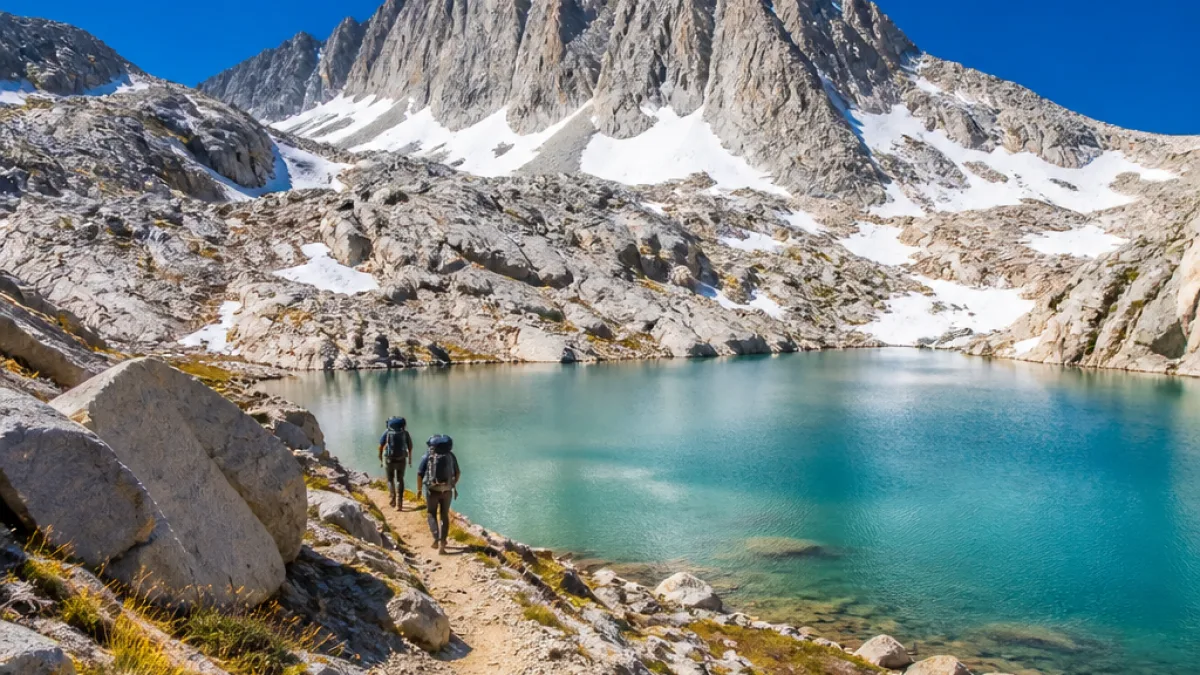
After a week of grim headlines, the Eastern Sierra's high-country scenery offers a rare, uncomplicated balm: the Big Pine Lakes, a string of glacial-fed basins set beneath the Palisade Glacier. The lakes—numbered one through seven—produce an almost surreal turquoise that has made the area a popular—and often photographed—destination for Northern California and Southern California visitors alike.
Why the water is that color
The vivid hue comes from a fine, powdery silt called glacial flour, created as the ancient ice of the Palisade Glacier grinds the underlying granite. Meltwater carries that mineral-rich flour into the chain of lakes, scattering sunlight and producing the bright blue-green tones that make places like Second Lake stand out.
Trail facts and accessibility
The approach to Second Lake is relatively moderate by Eastern Sierra standards: approximately a 10-mile round trip with about 2,500 feet of elevation gain. Because of that accessibility—and the dramatic backdrop of the 2,000-foot granite face known as Temple Crag—the route is frequently shared on social media and draws steady foot traffic, especially in summer and early fall.
| Trail attribute | Detail |
|---|---|
| Round trip distance | ~10 miles |
| Elevation gain | ~2,500 feet |
| Key landmark | Temple Crag (2,000-foot granite face) |
| Typical high-country elevation near lakes | About 10,000 feet |
Seasonal notes and conditions
Even after a hot summer, pockets of snow can remain in shaded areas into early September at elevations near 10,000 feet. That lingering snow and the region’s altitude mean hikers should prepare for rapidly changing conditions—sun, wind, colder pockets near stream crossings and variably soft ground where glacial melt feeds the lakes.
- Pack layers and be ready for temperature swings at high elevations.
- Bring sturdy footwear; terrain ranges from well-worn trail to rocky ledges and talus.
- Expect crowds at the more photogenic viewpoints; arriving earlier or later in the day can help avoid peak congestion.
Landscape and human impact
The Big Pine Lakes sit in a landscape that combines celebrated rock climbing, classic alpine scenery and continuing ecological change. Temple Crag towers above the bowls that hold the lakes and remains a focal point for climbers. The popularity of the lakes—fueled in part by social media—has contributed to heightened visitation, which in turn places pressure on trails and camp areas as summer transitions toward fall.
Where this trip fits in a wider California context
The lakes are part of a broader road-trip loop that highlights California’s geographic range: the cleaner beaches of the Central Coast contrasted with the crowds and iconic vistas of Yosemite National Park, followed by the stark alpine beauty of the Eastern Sierra. In recent weeks, autumn colors have begun to show at higher elevations, and many visitors appreciate the thinner crowds in late summer and early fall compared with peak season.
Practical tips for readers planning a visit
Local conditions can change quickly in mountain environments. Check current trail reports and weather forecasts before heading out. Be mindful of water sources—glacial-fed lakes are stunning but require purification for drinking. Leave no trace practices are essential to preserve the setting: pack out waste, stay on designated trails, and avoid disturbing native vegetation.
For Californians feeling weighed down by national and international anxieties, the Eastern Sierra provides a straightforward remedy: strenuous walking, clean air and the visual reminder that parts of the state remain raw and strikingly beautiful. That splendor comes with responsibilities—respect for high-country conditions and for the landscape that draws so many to these lakes each year.