Summer hazards converged across Detroit, residents say
The summer of 2026 brought a sequence of public-safety and public-health challenges to Detroit: sustained extreme heat, a major power outage over the July Fourth weekend, wildfire smoke that produced the city's worst recorded air quality and a string of nationwide food recalls that complicated everyday shopping and eating. Residents described a season in which multiple hazards overlapped and made routine activities more difficult.
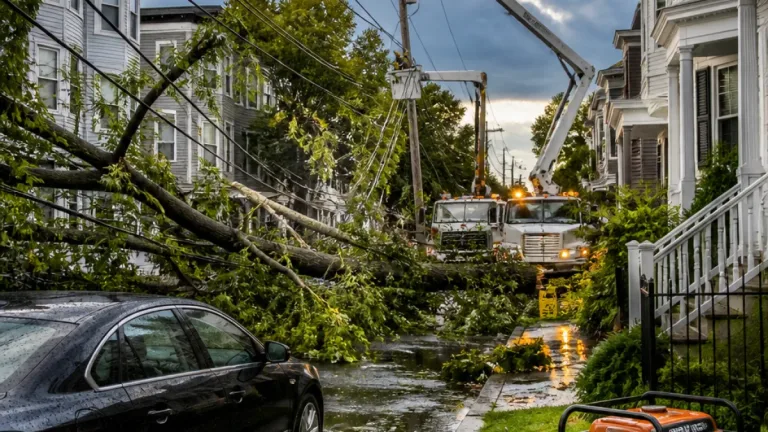
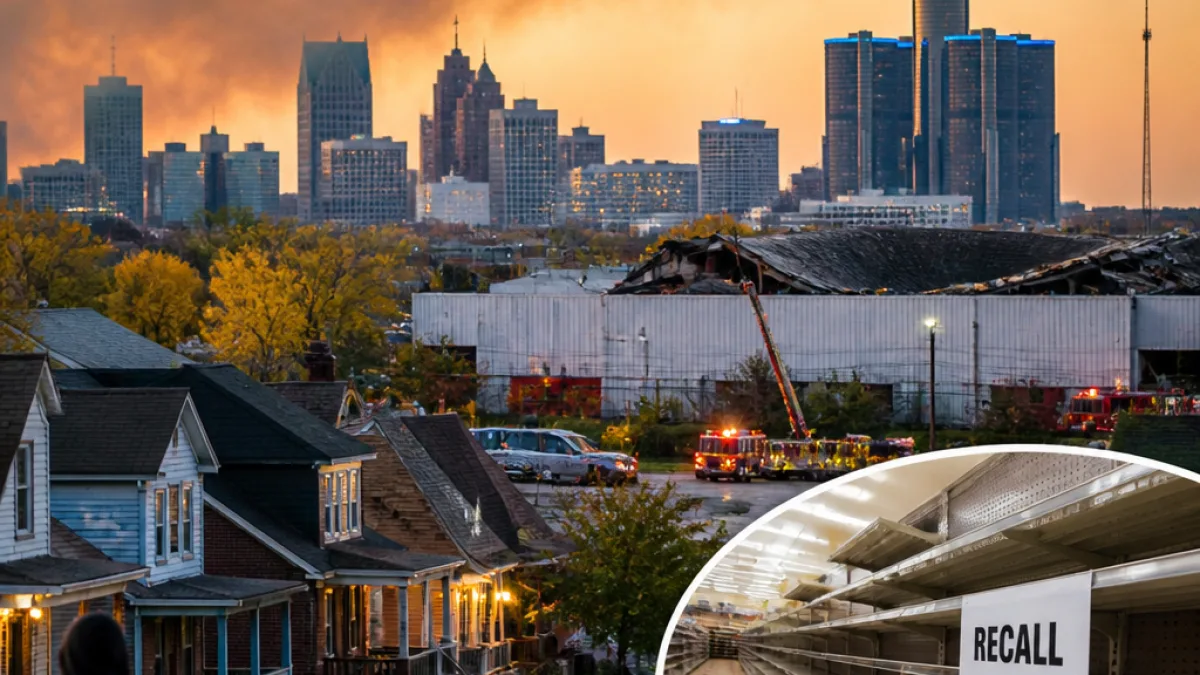
City data show the most widely reported outage affected roughly 78,000 Detroit households at the peak during the July Fourth holiday weekend. Weeks later, wildfire smoke settled over the region and, officials said, produced the worst air quality on record for Detroit. The city also experienced storms that included a tornado on Sept. 3 that heavily damaged a warehouse on the east side.
Voices from the city — work, health and daily choices
People working outdoors or in jobs requiring travel said they struggled to keep working while protecting their health. DoorDash driver Eleze Green described handling deliveries on smoky mornings.
“It was a little rough on the throat area,”
Green said she noticed the haze felt “thicker down here in Detroit.” She also highlighted the stress of navigating food recalls while trying to eat affordably on the road, saying that recurring recalls made safe food choices feel uncertain.
At Colombo’s Coney Island on West Vernor Highway, longtime customer Eddie Heriberto, 59, described his own response to the smoke. “It’s been difficult, but I’m a smoker,” he said, adding that the habit “kind of helps a little bit.” He urged others to take precautions, especially when they must continue to work during poor air-quality days.
Compounding impacts — power, air quality and supply concerns
Local leaders and residents said the convergence of heat, outages and smoke complicated routine activities such as commuting, working outdoors and buying food. For people without reliable air conditioning, extended heat spells increase the risk of heat-related illness. Power outages during a holiday weekend disrupted cooling options and other services for thousands.
In addition to environmental hazards, Detroit residents faced uncertainty from a series of food recalls affecting fresh fruits, vegetables and other products nationwide. That pattern made grocery shopping and meal planning more complicated for people who rely on affordable, accessible food sources.
- Power outage: About 78,000 households affected at peak during the July Fourth weekend.
- Air quality: Wildfire smoke produced what officials called the city’s worst recorded air quality.
- Other hazards: Severe storms and a Sept. 3 tornado damaged property on the east side; national food recalls affected local food access and choices.
| Event | Local impact |
|---|---|
| July Fourth power outage | ~78,000 households without power at peak |
| Wildfire smoke (mid-July) | City’s worst recorded air quality |
| Sept. 3 tornado | Heavy damage to an east-side warehouse |
What residents said they needed
Those interviewed emphasized the need for clear public messaging and resources to protect vulnerable residents during overlapping emergencies. Several people noted that staying indoors during hazardous-air days was the safest option but not always feasible for workers who must be outside or travel. Others said the combination of heat and power loss made basic routines — cooling, preserving groceries and sleeping — far more difficult.
Public health officials and city agencies typically advise residents to monitor local alerts, use cooling centers when available, and limit outdoor exertion when air quality is poor. For food-safety concerns, federal and state recall notices provide guidance on which products to discard and how to seek refunds or replacements.
As Detroit moves into autumn, residents and officials will assess the season’s impacts and look for ways to bolster preparedness — particularly for those who are most at risk during heat waves, power outages and days of hazardous air quality.