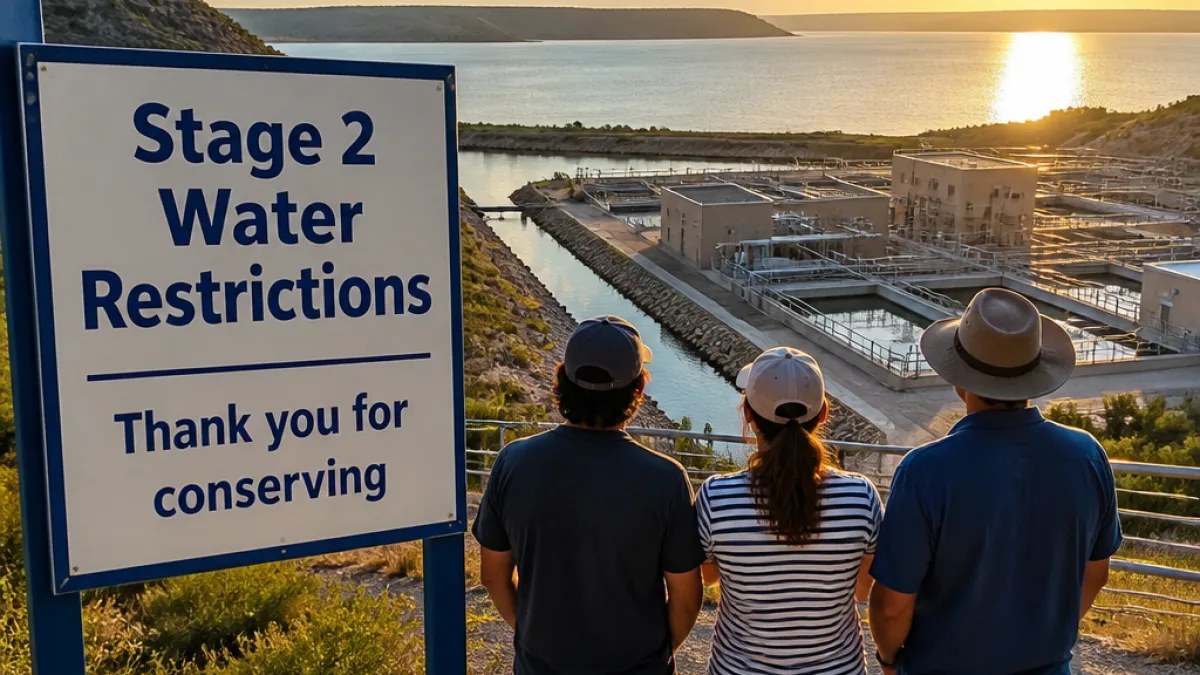
City lifts most severe limits after rainfall, conservation and supply investments
CORPUS CHRISTI — The City of Corpus Christi is immediately moving from Stage 3 to Stage 2 water restrictions after 596 days under the most stringent conservation measures, City Manager Peter Zanoni announced Tuesday under the city’s Drought Contingency Plan.
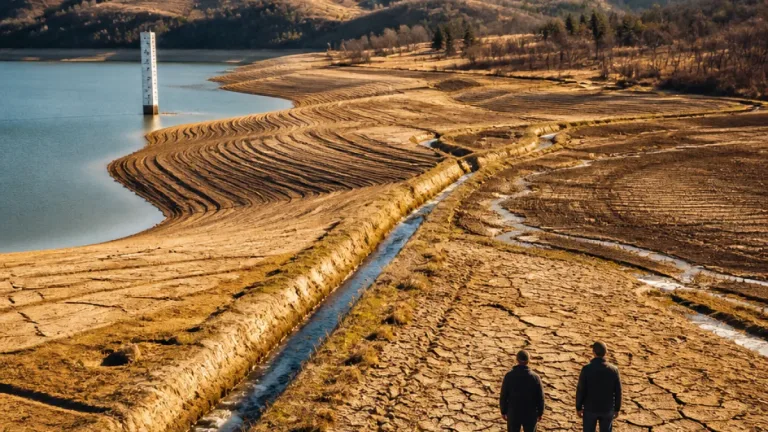
The decision follows a period of improved reservoir storage driven by recent heavy rainfall, continued reductions in household use and investments in alternative water supplies. Officials said the combination of these factors has pushed the system away from an imminent emergency scenario and provided more time for infrastructure work.
"It is a very good day in Corpus Christi today," Mayor Paulette Guajardo said. "After months of drought, difficult conservation measures and the patience and sacrifice of our residents, we've received much-needed rainfall that has significantly improved the water levels in our reservoirs."
Reservoir levels and projections
As of Tuesday morning, city data show:
- Lake Corpus Christi at 67.8% capacity
- Choke Canyon at 24.9% capacity
- Combined western-reservoir level of approximately 36.9%
City projections indicate Lake Corpus Christi could reach roughly 84% by the end of the week, which would push the combined system just above 40%. Officials said current usage patterns make it likely reservoir levels will stay above the critical 20% threshold into fall 2027. Recent rainfall pushed a potential Level 1 emergency scenario out to September 2028, according to the city.
| Reservoir | Current Capacity |
|---|---|
| Lake Corpus Christi | 67.8% |
| Choke Canyon | 24.9% |
| Combined western-reservoir level | 36.9% |
Why the change: three factors
City Manager Peter Zanoni credited three main contributors to the improved supply outlook:
- Aggressive investments in alternative water supplies that reduce the system’s reliance on the western-reservoir complex.
- Residential conservation that lowered average household consumption from 6,000 to 4,500 gallons per month.
- Recent heavy rainfall that significantly bolstered inflows into the Nueces and Frio watersheds.
Officials noted these factors combined to move the city away from a near-term Level 1 emergency and provide additional time to continue infrastructure projects aimed at long-term resilience.
What Stage 2 means for residents
Under Stage 2 restrictions, residents retain conservation responsibilities but gain more flexibility compared with Stage 3. The city outlined rules governing outdoor water use, with emphasis on timing and frequency:
- Automatic sprinklers are permitted once every other week on designated days only.
- Irrigation is allowed only before 10 a.m. or after 6 p.m.
- Designated watering days depend on the resident’s zone; some areas must reference the last digit of the street address, such as in Calallen.
The city urged residents to check local guidance for specific designated days and exceptions, since rules differ by neighborhood and address.
Outlook and next steps
City officials said the shift to Stage 2 does not end conservation efforts. The additional buffer created by recent rains and reduced household use gives the city time to continue infrastructure upgrades and to further diversify water supplies. Officials also reiterated that sustained conservation will remain important to keeping the system above critical thresholds.
Residents are encouraged to stay informed through city communications and verify their watering schedules under the new restrictions. Continued monitoring of reservoir levels and rainfall over the coming months will determine whether further adjustments to the Drought Contingency Plan are needed.