Food insecurity in New Hampshire grew during the period analyzed in the latest Feeding America report, with children bearing the brunt of the increase, according to the statewide study released this month.
Statewide rise driven by jump in child hunger
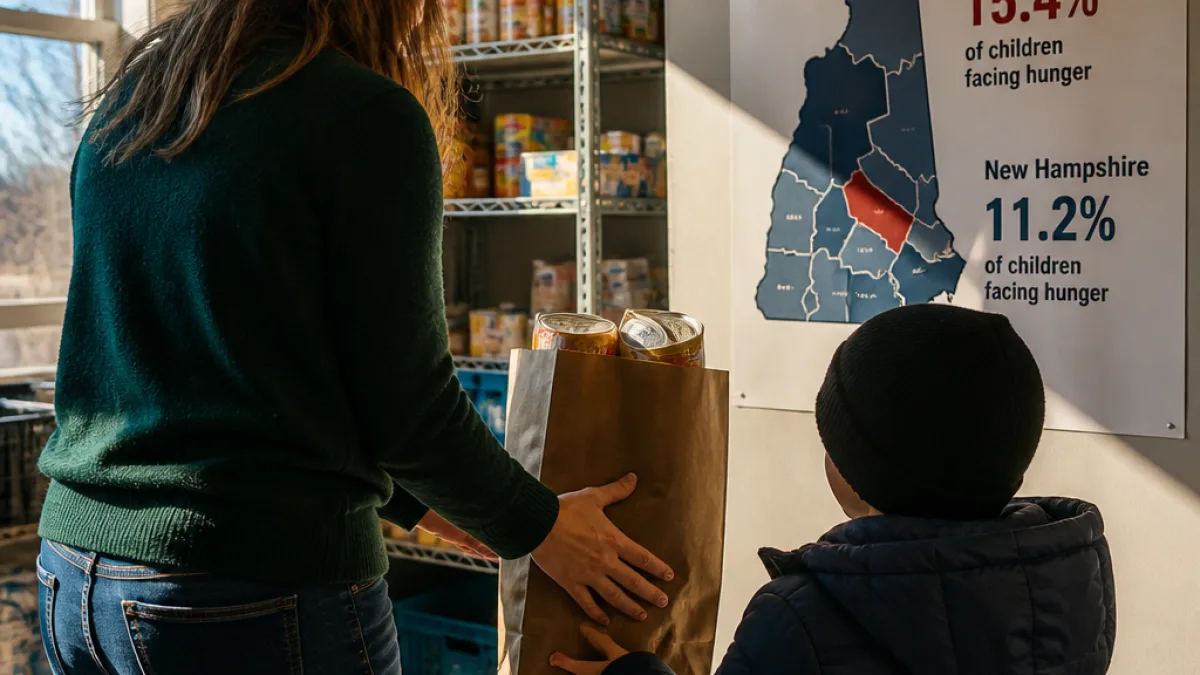
The Feeding America Map the Meal Gap for 2026, which uses federal data through 2024, estimates that the share of New Hampshire residents lacking reliable access to sufficient food has climbed to 11.2 percent, up from 10.7 percent in the previous report. The number of children facing food insecurity rose by roughly 6 percent, increasing from 36,160 in last year’s report to 38,430 this year—a rise of about 2,270 children.
That equates to roughly one in six children in the state living with food insecurity, while about one in nine adults are impacted. Feeding America estimates it would take approximately $115.1 million to close the gap and meet the additional food needs identified in the report.
Counties with highest rates and local differences
Rural counties reported the highest rates of food hardship. Coos County carried the highest overall rate at 15.4 percent, with children experiencing food insecurity at 22 percent. Sullivan County followed with an overall rate of 12.3 percent and a child rate of 18.3 percent. Urban and suburban counties generally reported lower rates but showed increases compared with the prior analysis.
| County | Overall food insecurity | Child food insecurity |
|---|---|---|
| Coos | 15.4% | 22.0% |
| Sullivan | 12.3% | 18.3% |
Advocates point to policy changes affecting access
Hunger relief organizations say recent federal policy shifts have made it harder for people to access and remain enrolled in the Supplemental Nutrition Assistance Program, the nation’s primary anti-hunger benefit.
"SNAP has been in place for many years and has worked very well. Most people are only on SNAP for 12 months or less. It’s a transitional program, we need it and we need it to run efficiently."
The remark came from Laura Milliken, executive director of NH Hunger Solutions, who described SNAP as a short-term support for many households but emphasized the importance of smoother administration. The report’s federal data reflect conditions before the 2025 federal law changes that tightened work requirements and documentation for SNAP eligibility and narrowed some exemptions, according to advocates and policy summaries cited by hunger groups.
Who is affected and how communities respond
Feeding America’s analysis highlights both geographic and demographic patterns: children and residents of rural counties face higher levels of food insecurity. Local food pantries and community organizations have reported increased demand for emergency food assistance, even as some programs face capacity limits.
- Children: increased need, particularly in rural counties with limited access to grocery stores and school-meal participation gaps during non-school months.
- Adults: rising overall hardship, including families who previously relied on temporary supports.
- Nonprofit response: food banks report higher client loads and often stretched supplies.
Hunger advocates say the combination of higher food prices, lingering economic strain in some communities, and new administrative hurdles for federal benefits contributes to the upward trend. They urge policymakers to consider measures that preserve program access and fund local food assistance.
Practical information and next steps
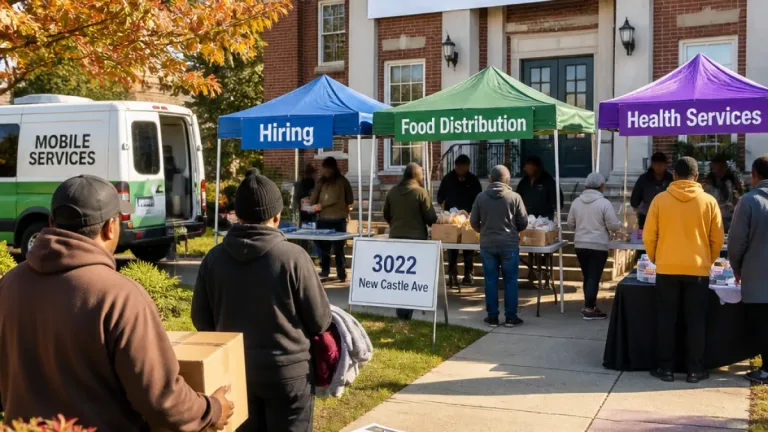
Residents seeking help can contact local food banks, school districts for information about child nutrition programs, or NH Hunger Solutions for resources on benefit enrollment and community partners. Organizations that distribute emergency food are also asking for donations and volunteer help to respond to rising demand.
Feeding America’s county-level data provide a snapshot of need as of 2024; advocates say continued monitoring is necessary to track the impact of recent policy changes and evolving economic conditions on hunger in the Granite State.
Coverage will continue as state agencies and nonprofit partners respond to the report’s findings and outline plans to address the increase in food insecurity across New Hampshire.