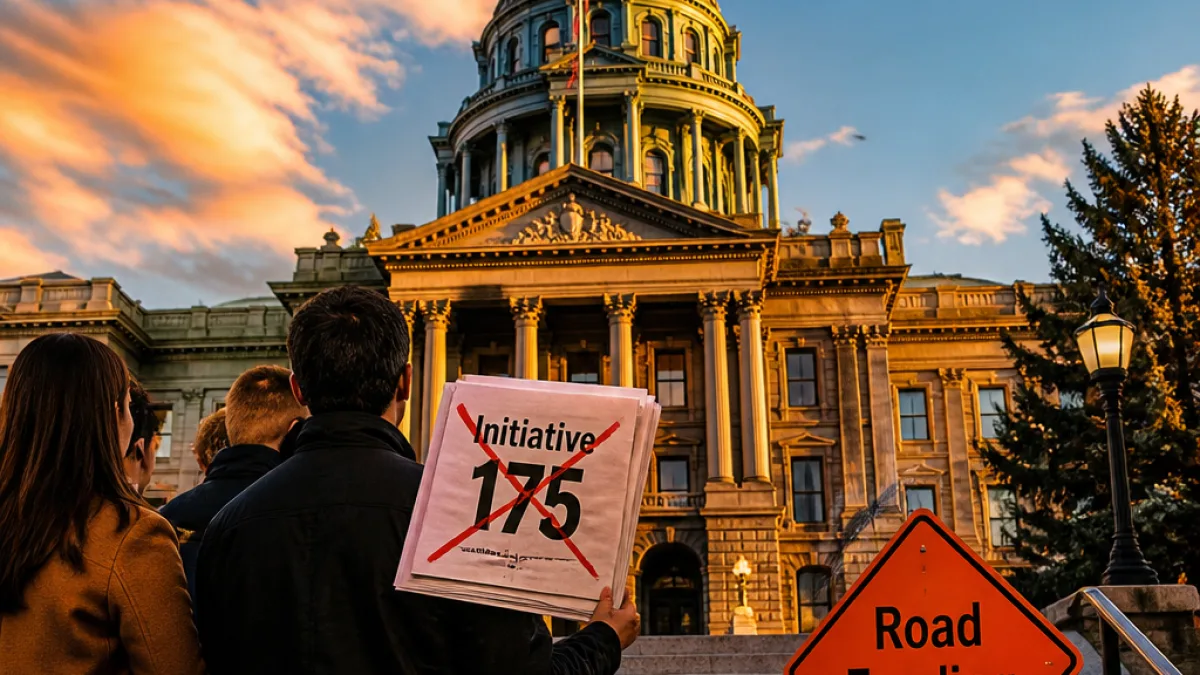
Backers of a proposed constitutional amendment that would have compelled Colorado to sharply increase annual road spending have agreed to remove the measure from the November ballot after reaching a tentative agreement with state leaders, a source familiar with the negotiations told WE NEWS on Thursday.
What the measure would have required
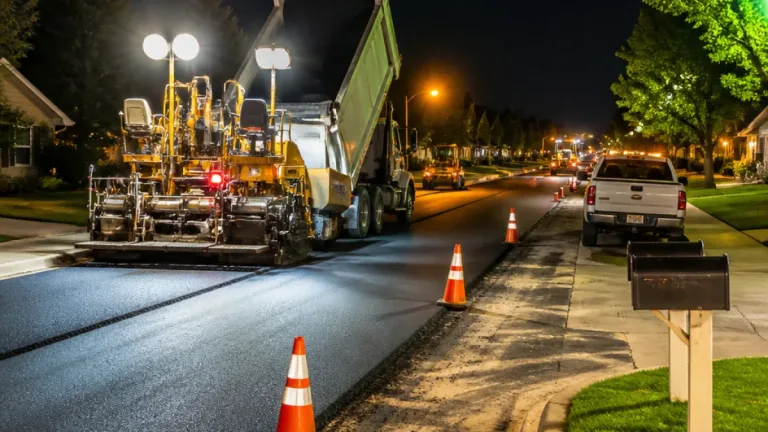
The ballot proposal, known to supporters as Initiative 175, sought to lock in roughly $2 billion per year for road transportation. That total included about $540 million from the general fund and would have directed taxes and fees tied to motor vehicles, fuel and parts specifically to road projects.
- The proposal aimed to earmark a portion of motor-vehicle and fuel revenues for transportation.
- As a constitutional amendment, the measure would have required a 55% affirmative vote to become law.
- Supporters argued the measure would produce a stable, predictable revenue stream for highways and local roads.
Opponents, especially many Democratic lawmakers, said the amendment risked undermining spending on other state priorities by constitutionally mandating large transfers from the general fund and other revenue sources.
Deal struck after months of talks
The tentative arrangement, which was pushed forward in part by Attorney General Phil Weiser, calls for the legislature to earmark additional money for roads in the coming years. The specific legislative package that would implement that commitment had not been finalized and was described as not yet known by the source.
Passage of any implementing legislation would depend on lawmakers and the governor who take office after the November election — an important consideration because the deal’s effectiveness hinges on those elected officials following through.
Political dynamics and fiscal concerns
Democrats, who hold supermajorities in the legislature, had strongly resisted the constitutional amendment. Their concern centered on the amendment’s requirement to divert large sums into transportation even as the state faces recurring fiscal challenges and competing demands for education, health care and other services.
Earlier this year, lawmakers passed a bill intended to blunt the amendment’s effect if voters approved it by delaying most of the measure’s fiscal impact for three years. That move was explicitly designed to convince the Restore Our Roads coalition — the amendment’s backers — to negotiate. At the time the coalition rejected the offer, and talks continued through the summer.
What this means for voters and the November ballot
With the withdrawal of Initiative 175 expected, voters will no longer be asked this fall to decide whether to amend the state constitution to require the new road funding levels. Instead, the issue will move into the legislative arena, where any changes will be made through statute rather than constitutional change.
| Item | Figure / Detail |
|---|---|
| Annual funding proposed by measure | $2 billion |
| General fund portion cited | $540 million |
| Vote threshold (constitutional amendment) | 55% |
Next steps and practical implications
Officials must still translate the deal into legislative language. That package will need to clear the General Assembly and be signed by the governor to replace the ballot process that supporters had chosen. Because the arrangement depends on the composition of state government after Election Day, its success is tied to the outcomes of several key races.
For transportation stakeholders and municipal officials, a legislative solution could offer more flexibility than a constitutional amendment, since statutes can be adjusted more easily if economic conditions change. For advocacy groups and voters, the shift means attention will move from a single ballot question to the pace and content of bills drafted in coming months.
Negotiations over road funding have been a recurring theme in Colorado politics as infrastructure needs grow and fiscal pressures continue. Moving the dispute from the ballot to the legislature closes one front in the debate but opens another: can lawmakers draft a durable, politically viable plan that addresses road and bridge repair without jeopardizing other priorities?
As this process unfolds, WE NEWS will continue tracking legislation, budget hearings and the official announcement of the deal.