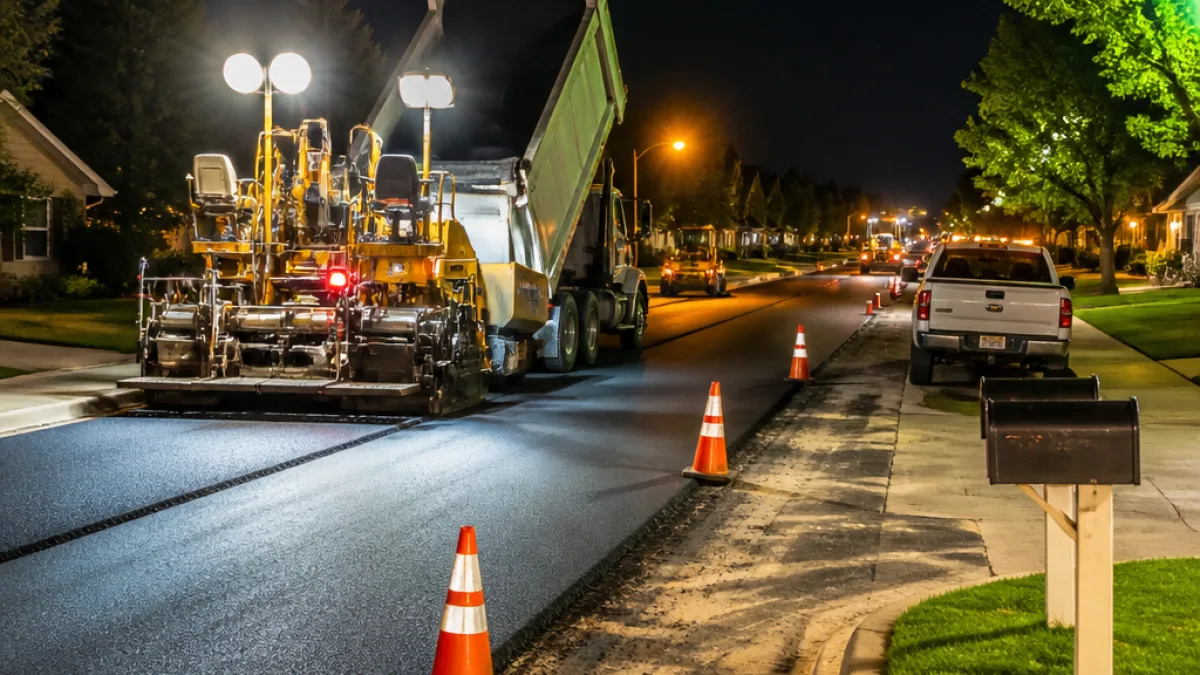
Arvada officials say the city has repaved over 75 lane miles so far in 2026, roughly double the typical annual output, after City Council and staff redirected reserve funds to address long-standing concerns about roadway conditions.
Funding and priorities
The expanded effort was made possible by an additional $10 million drawn from Arvada’s reserves. The city’s regular Pavement Program budget runs at about $15 million per year. City staff say the extra dollars allowed crews to shift attention from a strict focus on major thoroughfares to neighborhood streets that residents use daily.
Arvada’s road network totals about 1,500 lane miles and carries an estimated replacement valuation of approximately $1 billion. Despite the recent work, the city still carried the lowest Pavement Condition Index (PCI) in the Denver metro area at 44. The next-lowest PCI among nearby cities is Westminster, at 57.
“The decision really did come out of the community survey feedback that we've gotten pretty consistently in the last few years, where our community members have told us that road quality is one of their top priority issues facing the city,”
said Katie Patterson, Arvada communications manager for infrastructure. Patterson added that City Manager Don Wick identified repaving as a priority for the year, and staff followed through with a strategy intended to deliver visible improvements in neighborhoods.
Where work was focused
While high-speed, high-traffic corridors typically receive priority because of safety and volume, officials said the unusual funding allowed crews to target residential streets this year to demonstrate more immediate, local results.
- City leadership directed the team to identify neighborhoods where concentrated work could be completed holistically.
- Recent bond-funded projects — including the widening of Ralston Road — improved several major thoroughfares, freeing staff to concentrate on smaller local roads.
- The hope among officials was to deliver tangible improvements “close-to-home” where residents felt the day-to-day impact.
Patterson said the approach was deliberate: instead of spreading limited funds thinly, crews concentrated on neighborhoods where additional funding could meaningfully raise pavement condition. She stressed that the focus this year was meant to respond directly to the results of Arvada’s community survey and repeated resident complaints about pavement quality.
What the numbers show
Data presented by city staff highlight the scale of the backlog and the recent surge in repairs:
| Metric | Value |
|---|---|
| Lane miles in Arvada | 1,500 |
| Lane miles repaved in 2026 | 75+ |
| Regular Pavement Program budget | $15 million |
| Additional reserve funding in 2026 | $10 million |
| Estimated value of roadway network | $1 billion |
| Pavement Condition Index (Arvada) | 44 |
| Pavement Condition Index (Westminster) | 57 |
Local impact and outlook
Officials said the repaving push is intended not only to repair potholes and smooth surfaces but also to restore public trust by responding to a persistent community concern. The added work aims to produce visible improvements for residents who have repeatedly ranked road quality among the city’s top priorities.
Patterson acknowledged that larger, higher-speed roads are still prioritized in standard practice because of traffic safety and volume, but she said this year’s strategy showed the city could deliver neighborhood improvements when additional funding is available. The city has cataloged this year’s projects and said it will continue to evaluate where to allocate resources to raise the overall PCI over time.
For many residents, the recent repaving represents a welcome shift toward addressing everyday travel conditions as the city balances long-term infrastructure investments with immediate neighborhood needs.