WASHINGTON — The U.S. Justice Department, under the Trump administration, has filed suit against California seeking to prevent approximately 20,000 ballots the government says are tied to "likely non-citizens" from being counted, a legal move that coincides with the start of early voting.
Federal challenge, state process clash
Justice Department attorney Matthew Donnelly told a court the federal government has supplied information to state officials that it believes "should trigger additional steps before those ballots are included in the count." The department asked a California court to order that the ballots be segregated while further verification takes place.
The case prompted a rare Sunday session before the U.S. Court of Appeals for the Ninth Circuit. During the hearing, Judge Mark Bennett questioned the federal request and whether it conflicts with state law enacted by the California Legislature.
"It seems to me you want us to issue an injunction that is entirely inconsistent with the law the California legislature has adopted," Judge Mark Bennett said.
In filings, the Los Angeles County registrar said it does not have direct access to federal citizenship data, a point that underscores the differing sources and methods available to state and federal authorities for determining voter eligibility.
Senator, federal prosecutor disagree on verification
Sen. Alex Padilla, D-California, described California's approach to eligibility verification as focused on the point of registration, saying that citizenship and eligibility are determined when people register to vote.
"When it comes to California elections, citizenship and eligibility is determined on the front end when people initially register to vote," Padilla told KCRA.
Republican officials and others disagree about how robust those checks are in practice. U.S. Attorney Bill Essayli posted on X asserting that attestation at registration is not the same as verification, writing: "Attestation is not verification. Ensuring only citizens vote isn’t political; it’s enforcing state and federal law."
Parallel concerns in Alaska
The Justice Department also moved in Alaska amid concerns about voter confusion under the state's ranked-choice voting system. The federal action followed a report that a candidate named Daniel Sullivan, who shares a name with Republican incumbent Dan Sullivan, appeared on the ballot — a situation the department flagged as potentially confusing to voters.
Implications as early voting begins
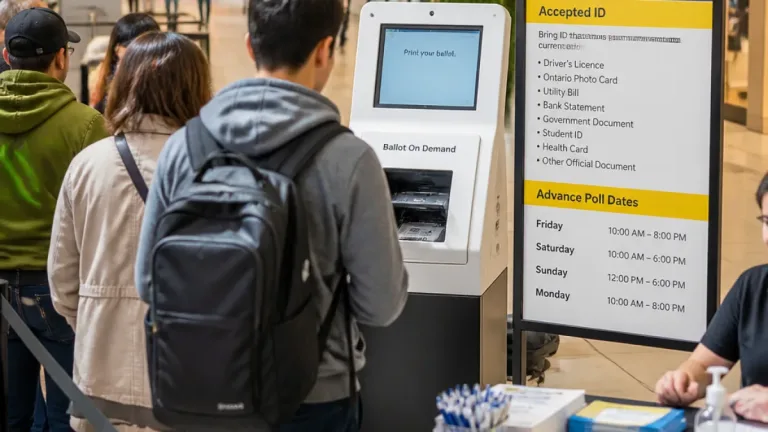
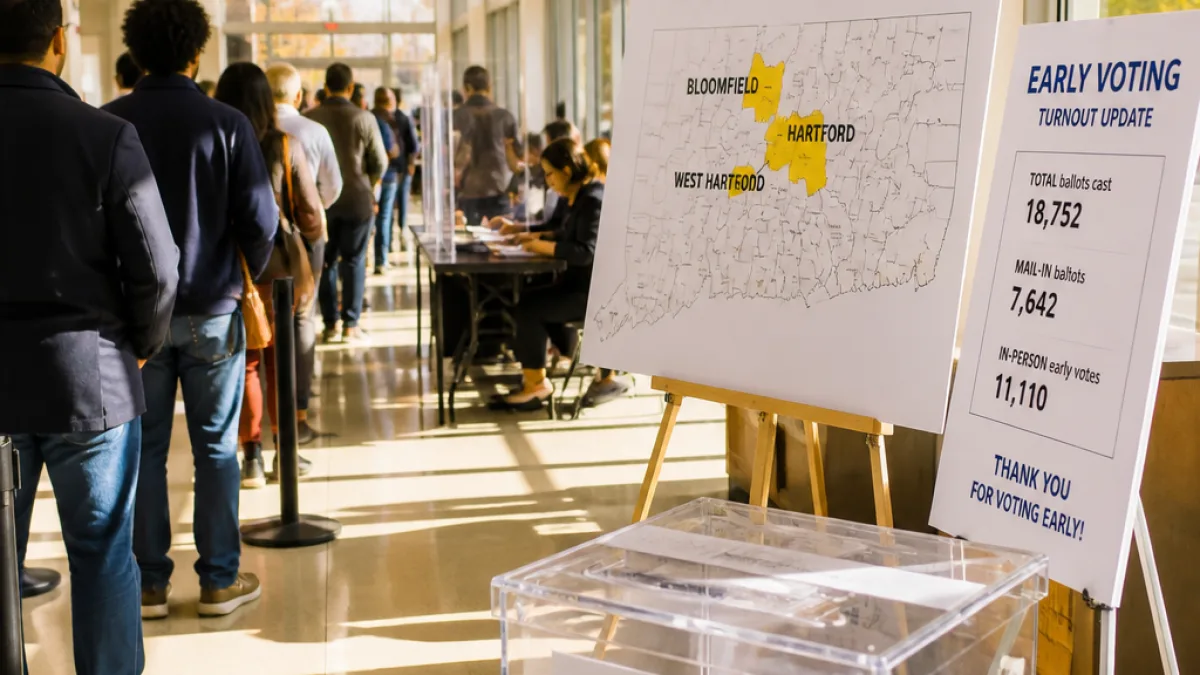
The litigation comes as early voting is already underway in parts of the country. How courts resolve the dispute may affect local election officials' procedures for processing and counting ballots and could influence the pace of certification in impacted jurisdictions.
- Federal claim: About 20,000 ballots linked to "likely non-citizens" should be segregated for verification.
- State response: California officials say citizenship is determined at registration and county registrars lack direct access to federal citizenship data.
- Legal friction: Ninth Circuit judge questioned whether the requested injunction aligns with state law.
| Jurisdiction | Action |
|---|---|
| California | DOJ suit seeking segregation of ~20,000 ballots tied to likely noncitizens; rare Sunday appeals hearing |
| Alaska | DOJ action citing potential ranked-choice confusion where a candidate shares name with incumbent |
Election law experts and officials regularly debate the balance between preventing ineligible voting and avoiding disenfranchisement. The Justice Department framed its action as an enforcement step, while California officials and some Democratic leaders emphasized that the state's election system relies on upfront attestation at registration.
The Ninth Circuit hearing put that clash into sharp relief, with at least one judge signaling skepticism about broad federal intervention that could conflict with the framework set by California's legislature. County registrars' limited access to federal databases complicates any immediate, comprehensive cross-checking.
As litigation proceeds, local election offices will need to follow both court orders and state law. The outcome may also shape practices in other states that do not have direct access to federal citizenship records but face federal requests or challenges during high-profile election cycles.
Because the Justice Department's filings and the court's deliberations remain active, election officials and voters should expect further developments in the coming days and weeks as courts consider whether federal intervention is warranted and what procedural steps should follow.
Kevin Nakamura is a state correspondent for WE NEWS.