Local costs push voter priorities ahead of midterms
McALLEN, Texas — The financial strain of cancer treatment has prompted a McAllen mother to reconsider a voting history shaped by other priorities, a shift that reflects broader national trends as healthcare costs rise ahead of the Nov. 3 midterm elections.
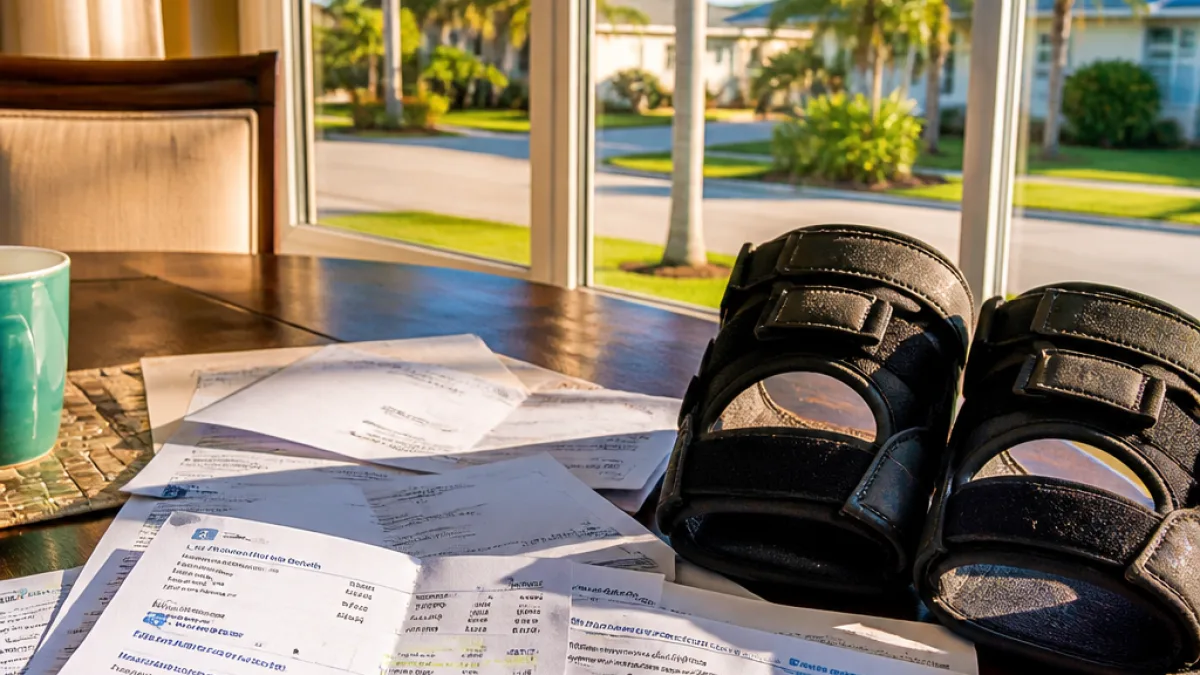
Cindy Banda, a 46-year-old single mother of six from McAllen, has faced mounting medical bills after treatment for breast cancer, including surgery and targeted therapy. The financial pressure from treatment-related expenses — on top of rising living costs — has forced Banda to re-evaluate the issues that govern her vote. Once a three-time supporter of President Donald Trump, she said that the struggle to pay for care and to keep her household afloat has changed how she weighs candidates and party platforms.
"Keep the house. Keep the cars. And just keep the kids stable,"
Those words, repeated like a mantra, reflect an immediate, practical calculus familiar to many local families in the Rio Grande Valley: balancing medical needs with household stability.
How local experiences fit national findings
National polling cited in the report shows a larger pattern that echoes Banda’s experience. About half of registered voters said healthcare costs are a major problem for their families, up from a little more than one-third four years ago. Polls also indicated that registered voters are nearly twice as likely to say they trust Democrats over Republicans to handle healthcare.
| Measure | Finding |
|---|---|
| Voters saying healthcare costs are a major problem | About 50% (up from ~33%) |
| Trust on healthcare | Voters nearly twice as likely to trust Democrats |
Local implications for campaigns and voters
In McAllen and across the Rio Grande Valley, where healthcare access and affordability are recurring concerns, stories like Banda’s can influence turnout and party support. Voters confronting high out‑of‑pocket costs for surgery, medication or ongoing treatments may prioritize candidates who propose changes to reduce those expenses.
- Personal finance strains: Banda described the practical choices facing her household as she navigates treatment and recovery.
- Shift in political priorities: Longstanding voting patterns can change when voters face acute economic pressure from healthcare bills.
- Electoral consequences: Healthcare concerns are shaping voter trust and could affect tight races nationally and at the state level.
Campaigns operating in McAllen and the broader Valley are attuned to these realities. Candidates on both sides of the aisle frequently tailor messages about health coverage, prescription drug costs and protections for patients with preexisting conditions to reach voters who have direct experience with expensive care.
What residents are weighing now
For families like Banda’s, immediate concerns include keeping a household stable while managing medical appointments and treatment regimens. The combination of treatment expenses and everyday costs — housing, transportation and childcare — has forced some voters to prioritize economic security over issues that previously dominated their ballots.
As Election Day nears, the narratives of McAllen residents who have faced high healthcare bills could be pivotal. Voters making decisions in the coming week will weigh personal experience against party platforms and candidate proposals, and for some, the calculus has shifted toward finding relief from medical costs.
Local election officials urge voters to confirm polling locations and hours ahead of the Nov. 3 election. For residents dealing with medical treatments during early voting or on Election Day, information on absentee or early voting options is available through county election offices.
The story of one McAllen mother illustrates a broader dynamic at play: healthcare costs are no longer an abstract policy debate for many voters, but a defining factor that can reshape political loyalties and influence turnout.