Storm-driven tides and erosion compound damage to Long Beach shoreline
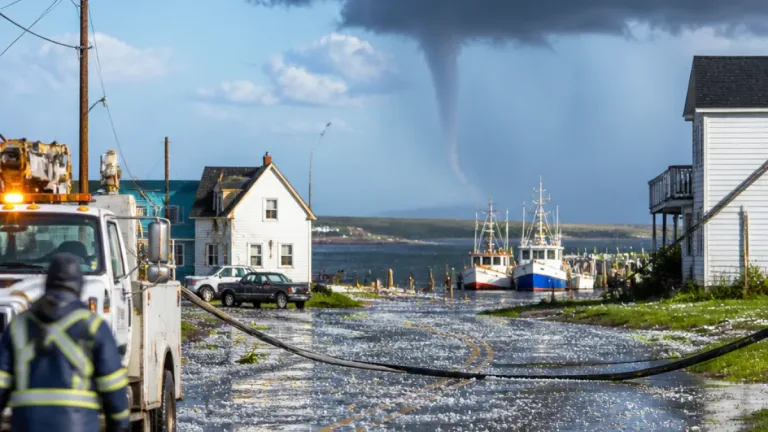
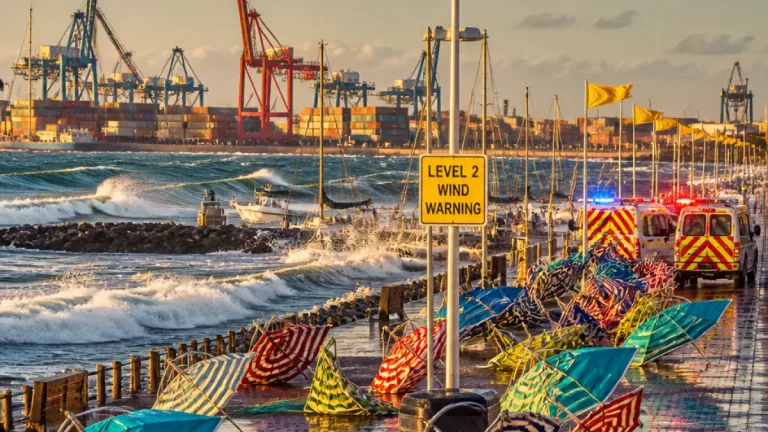
The Long Beach Peninsula is facing renewed flooding and shoreline erosion as a Pacific storm drives harbor tides toward 5 feet and a cycle of astronomically high "king tides" approaches later this month.
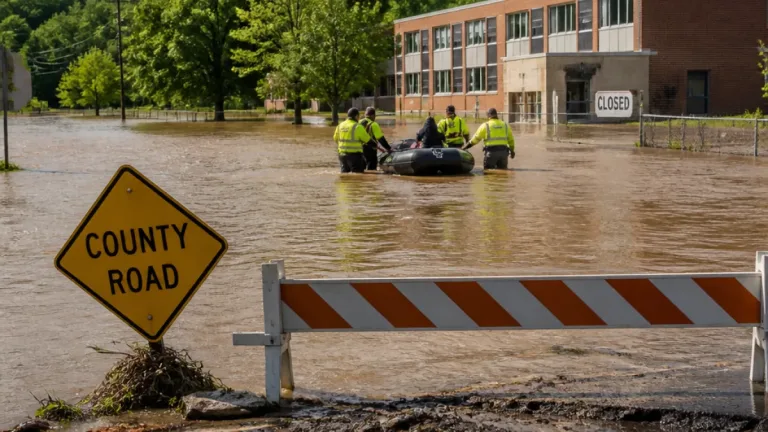
Officials say the recent sequence of powerful storms has already stripped the century-old wooden boardwalk in parts of the peninsula and left multiple properties structurally compromised. According to published reports, inspectors have taken at least 8 structures covering 13 addresses off-limits. Emergency orders include 9 homes under mandatory evacuation and another 39 properties under evacuation warnings.
"Water surrounds damaged homes as high tide comes in," read a recent caption accompanying aerial images of the peninsula.
Thursday's Pacific system is producing scattered thunderstorms and short bursts of heavy rain, with rainfall rates of up to 1 inch per hour reported across parts of Southern California. Those downpours, combined with high surf and elevated ocean baselines tied to oceanic conditions, increase the risk of coastal flooding and rapid erosion along exposed sections of the peninsula.
Why the shoreline is more vulnerable now
Experts and reports point to several factors that have intensified the hazard this month. The current sequence of storms has included multiple post-tropical cyclones and powerful swell events striking Southern California in rapid succession. Ocean conditions described in recent coverage note:
- Elevated ocean baselines from large-scale ocean processes, with Kelvin waves pushing sea levels 6 to 12 inches above normal.
- An active eastern Pacific season contributing repeated high-energy swell events that have churned and eroded the shoreline.
- An anticipated El Niño pattern that forecasters say can compound wave and surge impacts when storms arrive.
The combination of those factors means that even routine high tides can produce deeper and more damaging inundation than in prior years, especially where dunes and coastal infrastructure have been weakened.
King tides, timing and what to expect
Authorities and media accounts say the next peak of astronomical high tides — commonly called king tides — will occur Oct. 26–28. Local emergency managers in neighboring coastal cities have already declared states of emergency in anticipation of severe tidal flooding.
| Metric | Reported value |
|---|---|
| Harbor tide level (this storm) | ~5 feet (twice) |
| Structures off-limits | 8 structures covering 13 addresses |
| Mandatory evacuations | 9 homes |
| Evacuation warnings | 39 properties |
| Peak king tides | Oct. 26–28 |
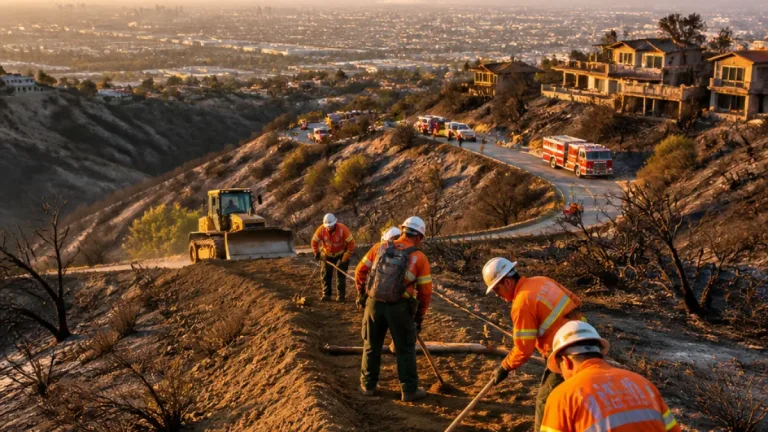
Local crews and emergency responders have been busy assessing damage, posting red tags on unsafe structures and coordinating evacuations where necessary. The damage to the boardwalk and beachfront properties has left some residents displaced and raised questions about the long-term resilience of the peninsula's shoreline protections.
Immediate impacts and what residents should know
For residents and property owners on the Long Beach Peninsula and adjacent shoreline, the near-term outlook centers on higher-than-normal tides coinciding with storm-driven waves and rain. Officials urge vigilance and adherence to evacuation orders and warnings already in place.
- Expect localized flooding during high tides and storm surges, especially in low-lying areas.
- Heed mandatory evacuation orders — properties red-tagged as unsafe should not be reoccupied until cleared by inspectors.
- Monitor updates from Long Beach emergency management and the National Weather Service for changing tide and storm information.
As the region approaches the late-October king tides, the combination of elevated sea levels, powerful surf, and a still-intensifying El Niño signal means coastal communities will need to remain prepared for additional damage and possible disruptions to access and services.
WE NEWS will continue to follow official briefings and local response efforts as they develop and will publish updates for residents across Long Beach as new information becomes available.