From incarceration and addiction to managing transitional housing in Anchorage
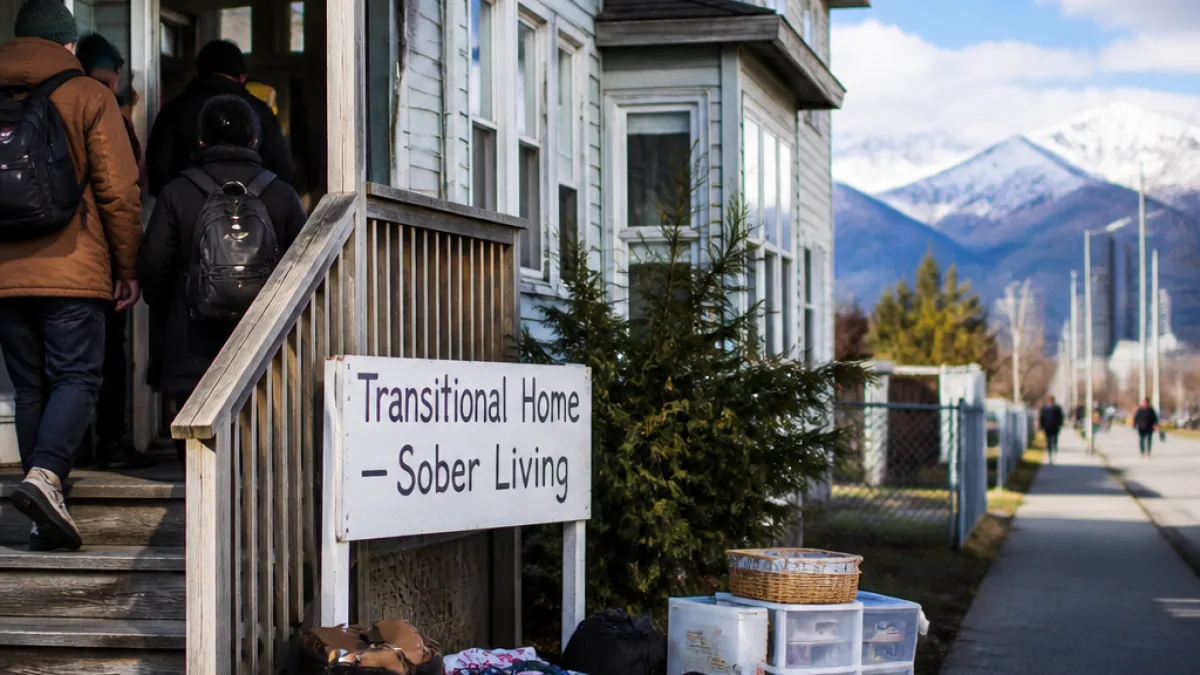
The founders of a small Anchorage nonprofit are using hard-won personal experience to steer men exiting incarceration toward sobriety and stable housing. Northern Alliance Reentry, Inc. is operated by Ashleigh and Jose Valcarcel and now runs six transitional houses in the city, including a site known as Refuge House off East 15th Avenue.
The couple’s approach is rooted in their own histories. Ashleigh said she became addicted to methamphetamine and heroin in her mid-20s, received her first felony charge four years later and repeatedly cycled through jail and relapse. Jose — who spent more than two decades behind bars and was known during his earlier life by the nickname "Papa Loco" — finished federal probation before meeting Ashleigh in Anchorage.
"Always absconded and always relapsing," Ashleigh said, describing her experience before recovery.
The two met in 2017 at Acts 247, a Christian recovery ministry in Anchorage. Their shared path through recovery and reentry shaped the model they now operate: transitional living that combines strict rules, structure and responsive support tailored to people who have lived through incarceration and addiction.
Filling a gap between shelter and permanent housing
Ashleigh said her work in Anchorage’s homelessness sector exposed a recurring pattern: individuals moved out of immediate shelters but were not ready for permanent housing, often relapsing or returning to criminal behavior and back to interim emergency shelters such as Sullivan Arena. She worked as a shelter supervisor at the Downtown Hope Center and later with Henning Inc., experiences that informed how the Valcarcels run their homes.
- Target population: Men exiting incarceration who are in recovery.
- Number of homes: Six transitional residences operated by Northern Alliance Reentry.
- Notable site: Refuge House, off East 15th Avenue in Anchorage.
Unlike some shelter models, the Valcarcels emphasize what Ashleigh described as housing that is "actually sober, actually structured," a phrase that underscores both enforcement of rules and the provision of supports meant to keep residents housed and sober rather than cycling back into jail or street homelessness.
Local implications and challenges
Anchorage faces persistent challenges related to homelessness, addiction and recidivism. Transitional housing programs such as Northern Alliance Reentry aim to bridge the difficult interval between emergency shelter and independent, permanent housing — a phase when many people are vulnerable to relapse or re-offending. The Valcarcels’ lived experience gives them credibility with clients who may distrust institutions or find conventional programs poorly matched to their needs.
Their model highlights two practical tensions in local services: the need for firm boundaries and consistent accountability, and the necessity of accessible support services to prevent relapse. The Valcarcels say they balance both, deciding when to enforce consequences and when to offer a second chance, often by responding personally to residents rather than relying solely on distant caseworkers.
Background timeline
| Year | Event |
|---|---|
| 2017 | Ashleigh and Jose met at Acts 247 recovery ministry in Anchorage. |
| 2021 | Ashleigh began working in Anchorage homelessness services (Downtown Hope Center, then Henning Inc.). |
| Present | Northern Alliance Reentry operates six transitional houses serving men exiting incarceration. |
The Valcarcels’ nonprofit adds to a patchwork of municipal, state and nonprofit efforts that address reentry needs in Anchorage. Transitional programs like theirs can reduce short-term returns to emergency shelters and jails by providing supervision, peer support and stable sleeping arrangements while clients pursue employment, treatment or benefits.
While the couple’s programmatic details — such as funding sources, staffing levels and long-term outcomes for residents — were not outlined in the available material, their personal stories and current operations demonstrate a local, peer-led approach to a persistent problem: how to convert recovery into lasting housing stability for people leaving prison.
Anchorage policymakers and service providers continue to search for scalable solutions to homelessness and recidivism. Programs built around lived experience, like Northern Alliance Reentry, add a distinct perspective to those efforts, emphasizing structure paired with second chances for people whose trajectories included addiction and incarceration.