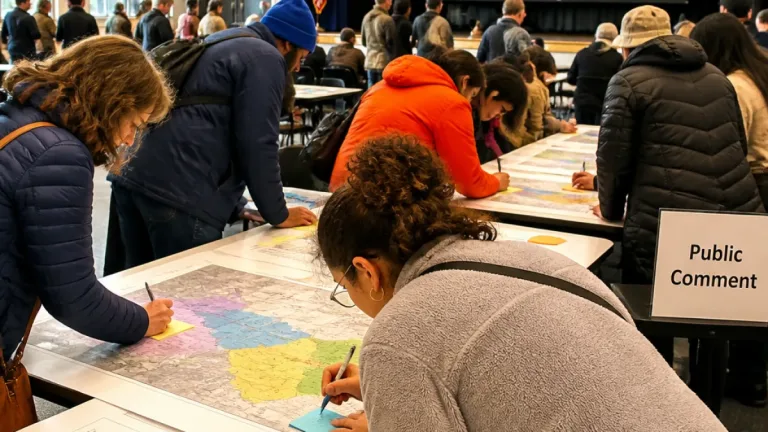

Anchorage School Board members on Tuesday publicly opposed an Anchorage Assembly proposal to change how the district’s seven-member board is elected, warning the shift could pit neighborhoods against each other and undermine citywide accountability.
Board members warn of divided representation
The measure, introduced by Assembly member Donald Handeland, would move from the current at-large system to a hybrid plan that assigns two school board seats to each of the six Assembly geographic districts in staggered years and preserves one at-large seat tied to the mayoral election cycle.
At a tense discussion during the board’s meeting, members said the proposal — if placed on the April ballot and approved by voters — could encourage competition between districts rather than focus on the district as a whole. Vice President Margo Bellamy raised the prospect of unequal resources and differing priorities across neighborhoods.
“My fear and my concern is that if we support this ordinance or change in ordinance, we are creating pockets of haves and have nots,” Bellamy said.
Handeland, who represents Chugiak and Eagle River on the Assembly, told reporters he wants Anchorage voters to decide whether to alter the system and that the change would improve communication between board members and their districts. He pointed to other Alaska school boards that elect members geographically as examples.
"If voters are perfectly happy with how we’re electing our school board, that’s fine, but I think voters should have a choice on that," Handeland said.
How the change would be phased in
Under Handeland’s ordinance, the transition would be gradual over three years, aligning school board elections with Assembly election cycles in each district. The proposal calls for voters to choose two district seats in each district in staggered years and retain a single at-large seat elected citywide.
| Year | Seats elected |
|---|---|
| 2028 | Two districted seats |
| 2029 | Two districted seats |
| 2030 | Two districted seats; one at-large seat (mayoral cycle) |
The ordinance would put the question to Anchorage voters if the Assembly approves placing it on the April ballot. Similar attempts to change the election format were rejected by the Assembly in 1993 and 1995, reflecting the recurring debate over district-based versus at-large representation.
Local implications and the debate over representation
Supporters of geographic elections argue district seats can strengthen communication and accountability by making board members more directly answerable to communities. During an Assembly work session earlier this month, Handeland said district elections could improve ties between elected board members and the areas they represent.
Opponents, including several school board members, say district-based seats risk fragmenting policy priorities, provoking competition for limited resources and diluting the mandate to govern for the entire Anchorage School District. Under the current system, all board members stand elected citywide and are assigned to community councils on a rotating basis.
- Current system: Seven at-large seats elected citywide.
- Proposed system: Pair of districted seats per Assembly district elected in 2028–2030 plus one at-large seat.
- Next steps: Assembly must approve placing the ordinance on the April ballot; then voters decide.
Board members’ heated exchange reflects broader questions about how Anchorage balances local neighborhood interests with citywide educational goals. If the Assembly moves the proposal to the ballot, Anchorage voters will have the final say on whether to keep the at-large model or adopt a district-based hybrid.