AMC Entertainment Holdings has formally protested the offering of tokenized versions of its shares by brokerages, a dispute that highlights fresh uncertainties about shareholder control, voting power and how ownership is recorded amid the company’s ongoing recovery.
What’s at stake
Robinhood and Coinbase recently took steps to attach voting and redemption rights to tokenized stock products, while AMC has objected to tokenized AMC shares being offered without the company’s consent. The clash goes directly to practical questions for investors: who actually holds voting authority, and how clean and reliable is the outstanding share count?
The disagreement centers less on AMC’s day-to-day theater operations and more on the governance and “plumbing” underpinning tokenized securities. But for a firm that has relied on fresh equity and faces significant balance-sheet pressure, the answers could matter to investors assessing the durability of its recovery.
Financial backdrop
AMC’s recovery narrative rests on the theater business steadily regaining attendance and converting premium formats and event content into predictable cash flow. The company’s recent financial position, as reported in public disclosures, underscores the challenge:
- Revenue: about $5.23 billion
- Net loss: roughly $554.1 million
- Balance-sheet risks: substantial debt and negative equity
| Metric | Reported figure |
|---|---|
| Revenue (most recent) | $5.23 billion |
| Net loss (most recent) | $554.1 million |
Why tokenization complicates governance
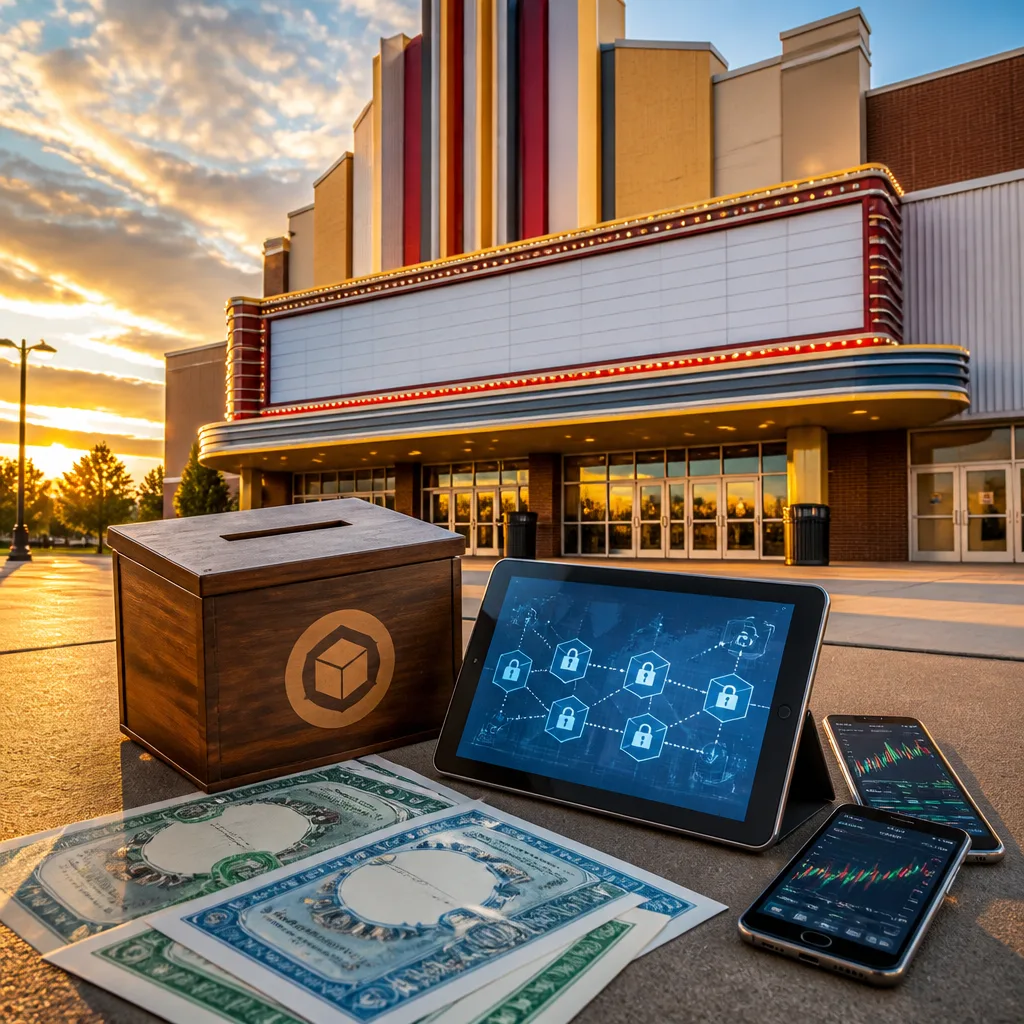
Tokenization — the practice of representing ownership interests with blockchain-based tokens — promises faster settlement and new forms of liquidity. But in practice, attaching traditional shareholder rights to tokens raises thorny questions:
- Who is recorded as the official shareholder for voting and proxy purposes?
- How are redemptions and transfers reconciled with the company’s official share ledger?
- Could tokenized shares create disparities between the company’s reported share count and tokens circulating on secondary platforms?
For AMC, where management has emphasized equity raises and has navigated substantial dilution in recent periods, clarity on actual voting power and ownership is especially important.
Market and investor implications
At present, the dispute appears to be a governance and technical matter rather than an immediate operational threat to AMC’s business. But unresolved questions could create uncertainty for investors:
- Potential disputes over who may vote on corporate actions if tokenized holders and the company’s official registry diverge.
- Complications reconciling token redemptions with the firm’s capital structure and disclosure obligations.
- Heightened scrutiny of tokenized offerings by market participants and potentially regulators, given the complexity of reconciling blockchain-based records with traditional corporate registries.
Robinhood and Coinbase’s decisions to grant tokenized products voting and redemption features reflect a broader trend among fintech platforms to expand what tokenization can do. AMC’s objection underscores that issuers may push back when tokenized instruments are launched without their assent, particularly when a company’s capital structure and governance are central to investor confidence.
Outlook
The outcome of this dispute will help shape how tokenized equities coexist with traditional securities frameworks. For recovery-focused companies such as AMC, resolving who controls voting rights and how ownership is measured will be a key part of restoring investor certainty as the company attempts to rebuild attendance and stabilize its finances.
As the debate continues, investors and market participants will be watching whether broker platforms, issuers and regulators reach clearer standards for how tokenized shares map to established shareholder rights and corporate records.