Citywide expansion aims to curb speeding on busy east‑side corridors
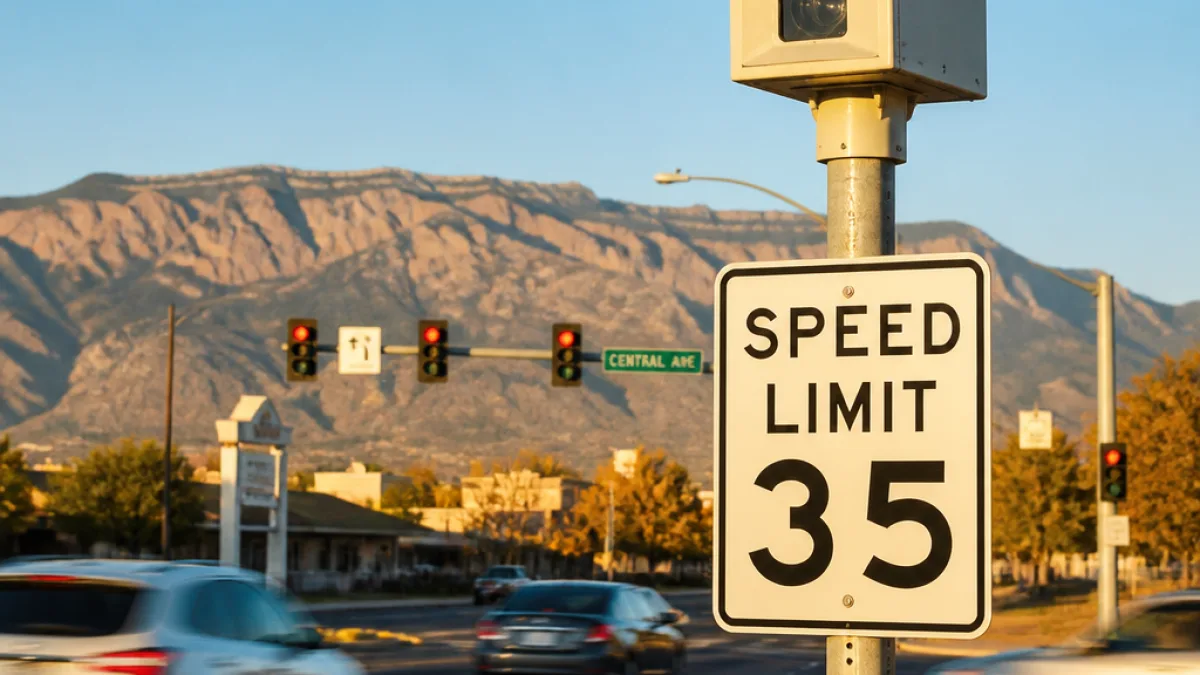
ALBUQUERQUE — The City of Albuquerque has expanded its automated speed‑enforcement network to 40 active cameras, adding two units on the east side and completing another phase of a program officials say is targeted at reducing dangerous speeding across major corridors.
The two most recent cameras went live on Aug. 28, 2026. One is located on Central Avenue between Louisiana and Wyoming and monitors westbound traffic. The other is on Louisiana Boulevard between Central and Lomas and targets northbound traffic, according to a city release.
"The city launched automated speed enforcement in 2022 as part of an effort to reduce dangerous speeding."
The additions bring the total number of city‑owned speed cameras to 40, double the network size established during the program's first three years. Installations began in early 2025 and continued through August 2026, with sites chosen where data and community reports identified speeding as a safety concern.
Where cameras were added and when
- Central Avenue between Louisiana and Wyoming — westbound (Aug. 28, 2026)
- Louisiana Boulevard between Central and Lomas — northbound (Aug. 28, 2026)
- Other locations added since 2025 include corridors such as Carlisle, Lead, Eubank, Broadway, Unser, Juan Tabo, Zuni, Menaul, Fourth Street, Central near 61st, Tramway near Lomas, Paseo del Norte, Coors, among others.
City records list specific activation dates for many camera sites, reflecting a steady rollout across the city since early 2025. Officials say the newer cameras were strategically placed on busy corridors where speeding incidents were identified.
| Metric | Value |
|---|---|
| Current number of active cameras | 40 |
| New cameras added Aug. 28, 2026 | 2 (Central @ Louisiana/Wyoming; Louisiana @ Central/Lomas) |
| Program launch | 2022 |
Implications for drivers and neighborhoods
For drivers, the expansion means more corridors are under automated surveillance for speed violations. The city began the program in 2022 with the stated goal of reducing dangerous speeding rather than generating revenue. Enforcement typically results in mailed notices or citations to registered vehicle owners when cameras record speeds above posted limits.
Residents in neighborhoods adjacent to the newly instrumented corridors said they have seen high speeds on Central and Louisiana for years, particularly during commute hours. City officials have said data on crashes and speeding complaints guided placement, though the administration has also faced scrutiny from some drivers and advocacy groups questioning camera placement and fairness.
The phased rollout over 2025 and 2026 included sites on both major arterial roads and neighborhood approaches. Among locations activated earlier in the expansion were:
- Carlisle (between Hilton and Delmar), Lead (near Bryn Mawr), Eubank (near Sierra Vista)
- Broadway (between Iron and Coal), Unser (near Old Ouray and near Gwin), Juan Tabo (near Copper)
- Zuni (between Mesilla and Española), Menaul (west of Vassar), Fourth Street (north of Griegos)
City transportation officials have said the cameras complement other traffic‑safety measures such as signal timing, targeted patrols and public education campaigns. However, debates continue about the effectiveness and equity of automated enforcement systems nationwide.
As the network grows, Albuquerque drivers should expect increased enforcement along corridors that feed the city's east side and other high‑volume routes. Motorists who regularly use Central and Louisiana are advised to watch posted speed limits and allow additional time during the initial weeks after a camera becomes active.
Officials did not release updated statistics on the program's impact on crash rates or speeding citations with the latest expansion announcement. City transportation and public safety departments have previously said they will monitor outcomes and adjust placement based on data and community feedback.