
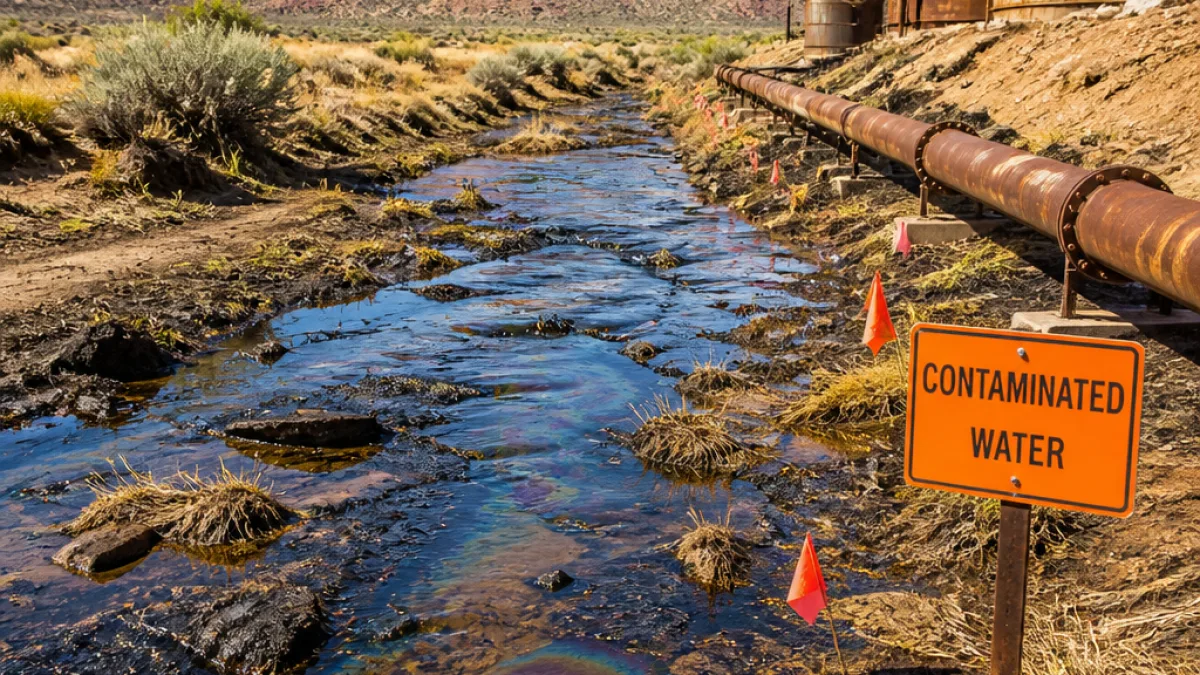
ALBUQUERQUE — The majority of water contamination tied to oil and gas operations in New Mexico in 2025 occurred in a county that includes much of Chaco Culture National Historical Park, an environmental advocate told state lawmakers Thursday.
San Juan County accounts for bulk of reported spills
Melissa Troutman, a climate and health advocate with WildEarth Guardians, testified before the interim Radioactive and Hazardous Materials Committee in Los Alamos that the oil and gas industry reported spills affecting 15 waterways across New Mexico last year. Of those, she said 12 were in San Juan County, the county that includes Farmington, the Four Corners region and large portions of Chaco.
Troutman emphasized that many Pueblos and tribes consider Chaco Culture National Historical Park culturally and spiritually significant, and she linked the concentration of contamination to broader concerns about access to clean water among rural residents in the area.
“This is where the majority of water contamination from oil and gas spills is happening in New Mexico, in the place where many rural residents already struggle with access to fresh drinking water.”
Produced water, public lands and enforcement
Troutman told legislators that produced water — the wastewater leftover from hydraulic fracturing and other oil-and-gas activities — was the most common liquid spilled by operators. She said public lands were disproportionately affected by these releases.
Her testimony identified several counties she described as the most polluted in the state: Lea, Eddy, Chaves, San Juan and Rio Arriba. She urged lawmakers to prioritize stopping pollution at the source and to more aggressively enforce civil penalties against violators.
“Put down the mop and turn down the tap,” Troutman said. “We're leaving the tap wide open and we're relying on more and more mops to help clean up the pollution that's ongoing.”
Federal proposal and local reaction
The Bureau of Land Management last month opened a two-week public-comment window on a proposal that would eliminate or shrink the 10-mile buffer that currently protects Chaco from mining operations. Native leaders in New Mexico and every member of the state's federal delegation have sharply criticized the proposal, citing threats to cultural resources and environmental quality.
Troutman’s testimony framed the BLM proposal in the context of existing contamination patterns: she told the committee that reductions in protective buffers would likely exacerbate pollution risks to waterways and lands already impacted by oil-and-gas activity.
Recommendations to state lawmakers
In addition to stricter enforcement, Troutman recommended legislatively focused solutions to reduce spills and the movement of produced water into the environment. Her suggestions included:
- Aggressive civil-penalty enforcement against operators that spill produced water and other wastes
- Policy measures aimed at preventing pollution at its source rather than relying on remediation
- Closer scrutiny of operations on public lands that intersect with culturally significant sites
She cautioned that relying on cleanup efforts alone is insufficient when systemic sources of pollution remain unaddressed.
What the state hearing covered
The Radioactive and Hazardous Materials Committee convened in Los Alamos as part of its interim work. The hearing drew testimony from advocates who linked local contamination to broader land-management decisions and called on state lawmakers to consider statutory steps to reduce spill risks and protect drinking-water access for rural communities.
| Metric | Figure |
|---|---|
| Waterways affected by oil/gas spills in 2025 | 15 |
| Waterways affected in San Juan County | 12 |
| Counties identified as most-polluted | Lea, Eddy, Chaves, San Juan, Rio Arriba |
Committee members have said they will continue to gather input this summer and fall as they consider potential statutory or oversight responses. The BLM’s short public-comment window on its Chaco buffer proposal remains a focal point for Tribes, local leaders and environmental groups concerned about continued industrial activity near a sensitive cultural landscape.
Lawmakers and advocates did not provide a timetable for any specific legislative proposals at Thursday’s hearing. The testimony, however, underscores a growing state-level conversation about how New Mexico should manage produced water, protect culturally significant lands and ensure clean drinking water for rural residents.
Diego Salazar, State Correspondent.

















