ALBUQUERQUE — The City of Albuquerque filed a lawsuit this week against eight tobacco companies, alleging that plastic cigarette filters have caused widespread environmental and infrastructure damage across the city and that the manufacturers have known about the harm for decades.
City seeks money to cover cleanup and environmental response
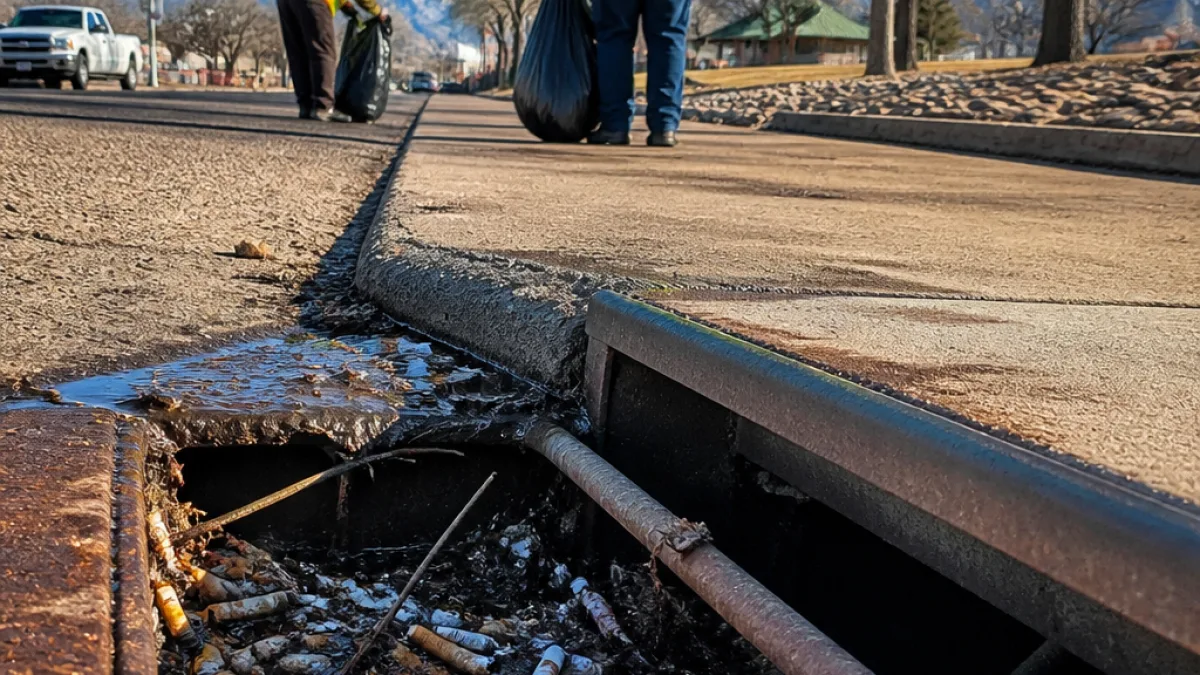
The complaint, filed in state court, argues that cigarette filters — commonly left as "butts" on sidewalks, in parks and in drainage systems — are made of plastic that does not biodegrade under normal conditions. The city says those filters remain in the environment, clog storm drains and degrade waterways, and that municipal crews have repeatedly had to remove and remediate the waste.
In announcing the action, the city’s attorney emphasized two goals: recovering municipal costs tied to cleanup and prompting manufacturers to change their product design and public education practices. The lawsuit asks the defendants for compensation tied to the cleanup, removal, maintenance and environmental response associated with discarded cigarette filters.
- Alleged harms: stormwater and drainage damage, litter in parks and streets, contamination of soil and river systems.
- City demands: monetary compensation for cleanup and related costs; an implied push for biodegradable alternatives and education campaigns.
- Context: Similar lawsuits have been filed recently by other cities, including Fresno and Denver.
City attorney frames case as both fiscal and public-health issue
Lauren Keefe, the City of Albuquerque attorney, told reporters the city hopes to recoup funds spent over the years to keep stormwater systems, parks and streets clear of cigarette filter waste and to spur manufacturers to adopt alternatives. She argued the fixes would be straightforward and inexpensive for the companies.
"We're hoping to recover some of the money that we've had to spend over the years to clean up our stormwater, to clean up our parks, to clean up our streets. But we're also hoping that maybe these companies change their conduct,"
Keefe also framed the issue as a public-health concern, noting the risks when children encounter discarded cigarette filters in public places and the potential for filters to leach contaminants into soil and waterways, which can affect aquatic life.
What Albuquerque says it seeks
| Issue | City's claim |
|---|---|
| Cleanup and removal | Compensation for municipal costs associated with collecting and disposing of filters |
| Maintenance | Funds to address clogged drains and ongoing street and park maintenance |
| Environmental response | Remediation costs tied to soil and water contamination allegedly caused by filters |
The complaint alleges the tobacco companies have known for decades about the environmental damage caused by filters and have not adopted available alternatives. Keefe said the companies could switch to biodegradable butts or engage in broader education efforts but have chosen not to.
Regional trend: other cities have pursued similar suits
The Albuquerque action follows recent legal moves by other municipalities. The story notes that Fresno and Denver have filed lawsuits against tobacco manufacturers over similar claims in the past month. Those cases highlight a regional trend of cities seeking to hold manufacturers accountable for litter tied to nonbiodegradable cigarette filters.
For Albuquerque, the legal action underscores a growing municipal focus on the costs borne by city services for routine litter and infrastructure maintenance — and whether responsibility for those costs should be shifted, in whole or in part, to manufacturers. City officials say the lawsuit is intended not only to recover money but to drive a change in industry practices that could reduce the burden on local government and protect public spaces and waterways.
The case is in its early stages. The city has not released the full list of defendants or the detailed financial figures it will seek in court. No response from the named tobacco companies was included in the city’s announcement.
As the lawsuit proceeds, Albuquerque residents who use the city’s parks, walkways and riverfront areas could see the issues play out in public hearings or in proposed changes to product labeling and distribution, should the companies alter their manufacturing or education approaches.