MAMMOTH LAKES, Calif. — A volunteer search-and-rescue crew conducted a technical rescue that lasted over 15 hours to recover a climber who became stranded on a tiny ledge in a steep gully near Mammoth Lakes, the Mono County Sheriff Search and Rescue Team said.
High-stakes operation on a narrow shelf
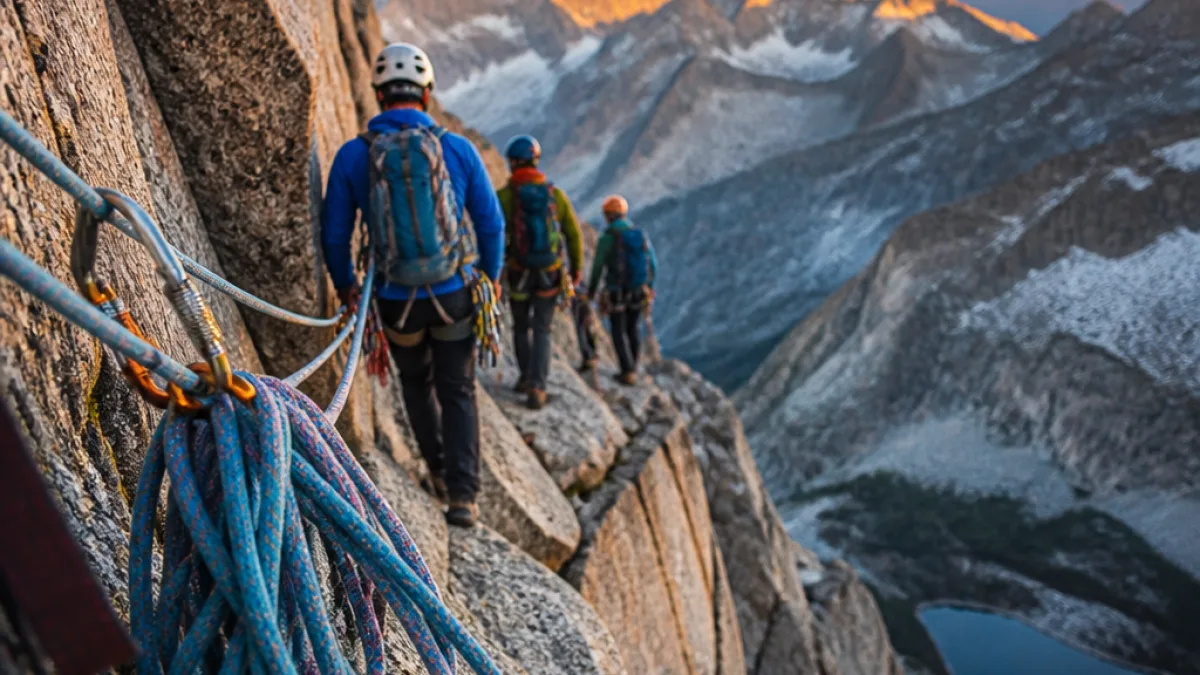
The team said the climber had only one foot fully planted on a ledge roughly 6 inches (15 centimeters) wide while thousands of feet of vertical drop loomed below. Rescuers described the situation as precarious and said any slip would likely have been fatal.
A four-person rescue team executed the extraction during a single extended operation last weekend, dispatching volunteers trained in technical rope work to the hazardous location. The mission required careful movement and constant attention to the climber’s condition as well as environmental factors that increased risk.
Who was rescued and what rescuers said
Team spokespeople identified the stranded climber as Rob Martin. Mono County Search and Rescue credited Martin’s resolve and physical strength for remaining conscious and cooperative throughout the ordeal.
“He was not going to give up. He was going to push until there was a solution,” said Mitchell Quiring, a rescuer who was part of the operation.
Quiring emphasized that the group’s long training in technical rescues made the extraction possible, and that trust among team members was essential during the extended, tense effort. The volunteer crew operates under the umbrella of the Mono County Sheriff’s Office and responds to remote and technical calls across the Sierra Nevada.
Timeline and tactics
The rescue unfolded over more than 15 hours from initial deployment to the climber’s removal. Because of the steep terrain and the narrowness of the ledge, rescuers had to move deliberately and employ rope systems to secure both the victim and themselves while working from above and alongside the gully.
- Duration: more than 15 hours
- Team size on scene: four volunteer rescuers
- Victim: identified as Rob Martin
- Terrain: narrow ledge (~6 inches) in a steep gully near Mammoth Lakes
| Item | Detail |
|---|---|
| Agency | Mono County Sheriff Search and Rescue Team |
| Location | Near Mammoth Lakes, Sierra Nevada |
| Rescue type | Technical rope rescue |
| Outcome | Victim removed safely |
Training, volunteers and regional implications
Mono County’s volunteer rescuers frequently train for complicated, high-angle extractions such as this one. Such skills include rope rigging, patient stabilization on vertical terrain, and controlled lowering or hauling systems. Volunteers who perform these rescues often face long operations, difficult weather, and remote access, requiring endurance as well as technical proficiency.
Search-and-rescue groups in mountain communities rely heavily on volunteers, and operations can draw teams from across county lines depending on the terrain and resources required. The Mono County team’s public posts and statements underline both the risk of backcountry climbing and the community commitment to responding when emergencies occur.
Advice for climbers and backcountry visitors
While investigators did not detail exactly how the climber became off-route, Mono County rescuers and other backcountry safety experts often advise climbers to:
- Plan routes conservatively and check route descriptions and recent conditions before setting out.
- Carry and know how to use basic rope and rescue gear if traveling on technical terrain.
- Tell someone your route and expected return time; consider carrying a satellite communicator for emergencies.
- Know your limits and be prepared to retreat early if conditions exceed your experience or equipment.
Incidents like this one highlight the thin margin for error on exposed mountain terrain and the value of trained volunteers who respond to calls for help.
The Mono County Sheriff Search and Rescue Team posted about the rescue on its social channels after the operation, and Quiring said the rescuers felt satisfaction in completing what he described as a mission they train for regularly.
This rescue serves as a reminder to recreational users across the Sierra Nevada — including in neighboring Nevada communities where many people travel for mountain recreation — that preparedness and respect for alpine hazards remain essential.