Federal authorities announced sweeping reductions Friday in Colorado River water deliveries that will require California, Nevada and Arizona to cut usage by a combined 1.25 million acre-feet annually for the next two years, a move that officials say is necessary as the river system contends with long-term drought, overuse and rising temperatures.
Scope of the cuts and immediate consequences
The Bureau of Reclamation’s plan imposes the reductions across the three lower-basin states, with Arizona set to absorb the largest share. Mexico also agreed to reduce its intake under a treaty by 250,000 acre-feet, officials said. States upstream — Colorado, Utah, Wyoming and New Mexico — are not facing cuts as part of this action.
The Colorado River system supplies roughly 35 million to 40 million people and supports farms, businesses, tribal communities and cities in the Southwest. Federal officials framed the cuts as a necessary short-term response while longer-term rules governing the river’s allocation remain unresolved; the current operating guidelines expire in October.
"We've been in this 26-year prolonged drought period," said Andrea Travnicek, the Interior Department's assistant secretary for water and science. "We continue to see a prolonged drought in our future. So continuing to work together as a whole within the basin is going to be extremely important."
Implications for Nevada
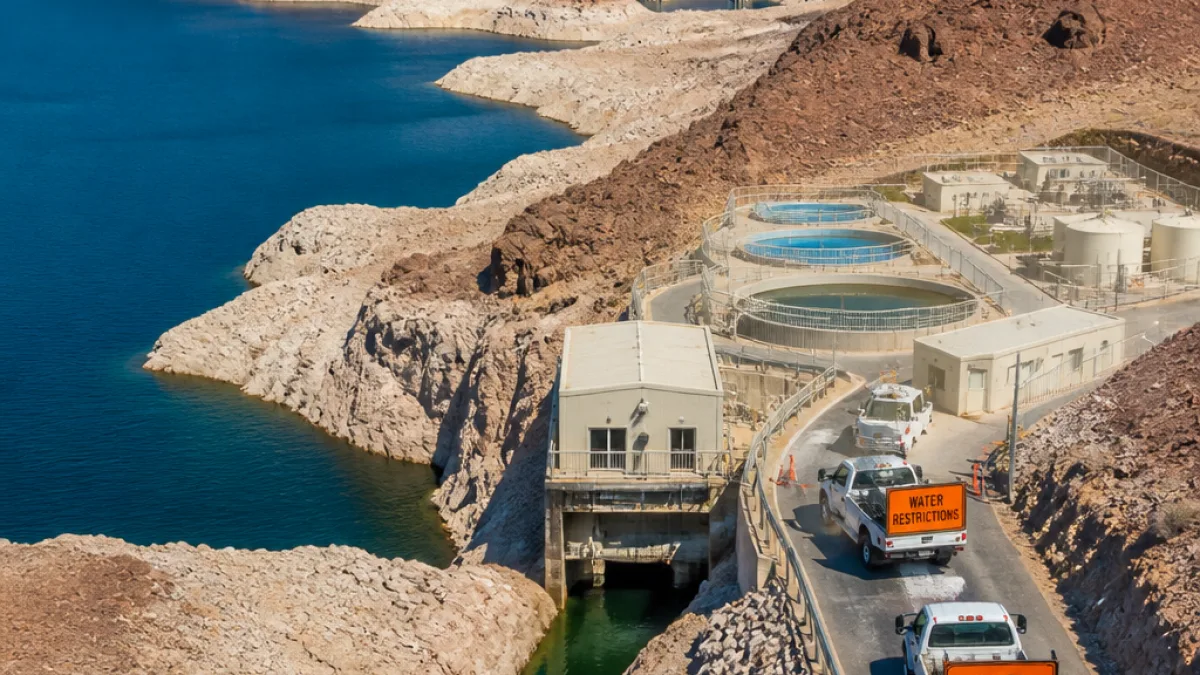
For Nevada, the cuts add pressure to water managers who already have grappled with record-low reservoir levels at Lake Mead. The state relies heavily on the Colorado River for municipal water supplies in Southern Nevada and for hydroelectric operations via the Hoover Dam. Officials have warned that falling reservoir elevations also jeopardize hydropower production if levels drop below generating capacity thresholds.
State and local water agencies will need to translate the federal reductions into operational changes, possibly adjusting allocations to agricultural users, curtailing certain uses, or accelerating conservation measures. The announcement could also affect water transfers, drought contingency planning and long-term infrastructure decisions across the state.
Why the cuts now
Water officials point to several overlapping causes: a multi-decade dry spell across the Colorado River Basin, a pattern of over-allocation that assumed greater river flows than have materialized, and the worsening impacts of higher temperatures that reduce runoff and increase evaporation. Last winter’s snowpack for the basin was the lowest on record, deepening concerns about supply reliability.
Federal managers highlighted that reservoir storage is at historic lows. Both Lake Powell and Lake Mead have plunged to levels not seen in decades. A further decline in Lake Powell’s elevation — cited by officials as a matter of only tens of feet — could render the reservoir unable to produce hydroelectric power, complicating water movement through the Glen Canyon Dam.
What comes next
The new reductions are intended to be in place for two years but could be adjusted depending on hydrologic conditions. Negotiations among the seven basin states continue, but so far they have not reached a long-term agreement on sharing dwindling supplies when the current rules lapse in October.
- Short term: Implemented cuts for California, Nevada and Arizona; Mexico reduces intake by 250,000 acre-feet.
- Medium term: Two-year period for the announced reductions, with potential for larger cuts depending on conditions.
- Long term: Basin states must negotiate new operating guidelines before current rules expire in October.
| Entity | Known reduction |
|---|---|
| California, Nevada, Arizona (combined) | 1.25 million acre-feet annually |
| Mexico | 250,000 acre-feet |
| Upstream states | No cuts announced |
Officials emphasized the need for cooperation across jurisdictions, including tribal nations and international partners, to prevent deeper shortages. More detailed allocations and implementation plans will be developed by water managers and federal agencies in the coming weeks.
This federal action underscores an intensifying era of water scarcity in the West. For Nevada, the immediate challenge will be translating a regional reduction mandate into local water-supply decisions while preparing for what experts warn could be an extended period of stressed river flows and reduced hydropower reliability.