
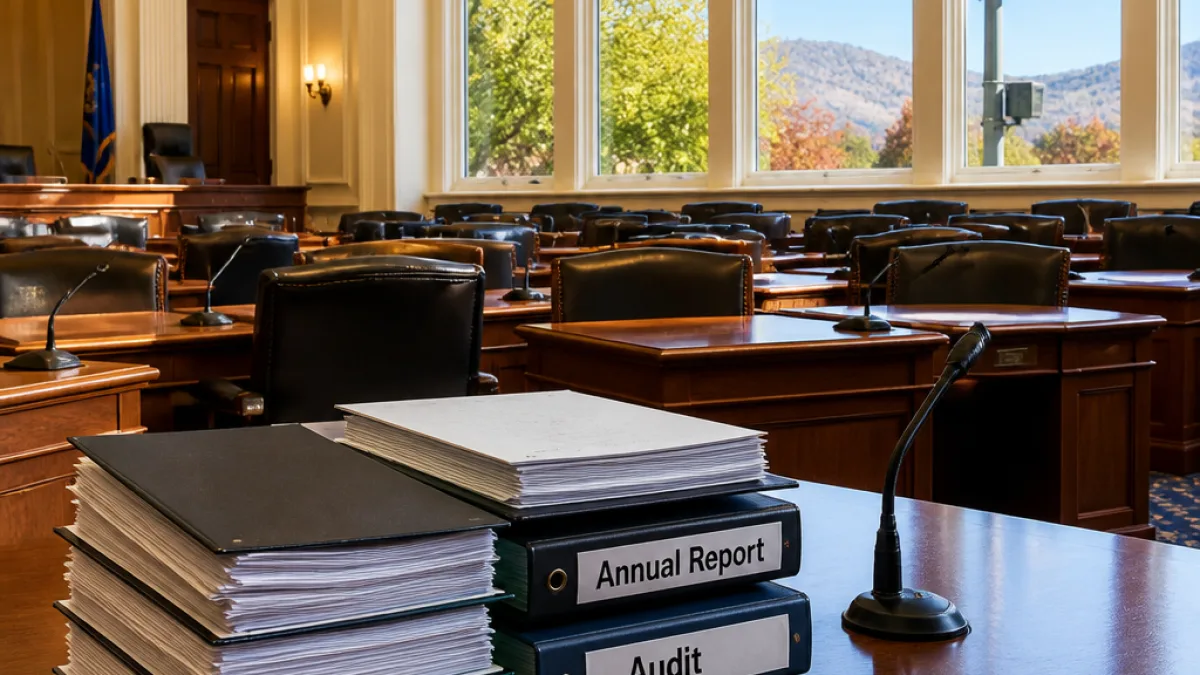
State lawmakers on Tuesday moved to bring formal oversight to the use of automated license plate readers in Nevada, unanimously approving a recommendation to request a bill be drafted for the next legislative session that would impose new reporting, training and audit requirements on agencies that deploy the technology.
What the proposal would require
The draft-request approved by legislators would direct agencies that use automated license plate systems to:
- Adopt written policies governing use of the systems;
- Provide training for authorized users on lawful use and data-protection obligations;
- Submit annual reports on their use of the systems to the attorney general, the governor and the Legislature;
- Undergo independent audits to confirm compliance with those policies and requirements.
Supporters said the measure is intended to add transparency and guardrails where none currently exist in state law.
Lawmakers cite a legal void and public concern
Nevada currently has no statute specifically regulating the use of license plate readers, a gap noted repeatedly during months of reporting by The Nevada Independent. Despite that absence of statewide rules, at least five Nevada cities and counties have deployed the technology.
Those systems — including cameras produced by the company Flock Safety — scan identifying details of passing vehicles and can feed that data into broader law-enforcement networks. Backers of the cameras point to their usefulness in generating investigative leads; critics and privacy advocates argue the systems amount to a form of warrantless, mass surveillance of motorists.
"My understanding is that absent any law that prohibits the use of Flock cameras or license plate readers, there is nothing to prohibit law enforcement agencies, private security companies, other agencies … from installing these cameras?" Sen. Melanie Scheible (D-Las Vegas), chair of the Senate Judiciary Committee, asked during the meeting.
The device maker Flock has built a network of more than 80,000 AI-powered cameras that can scan vehicles and make data available to law enforcement across a national network. Nationwide, only 16 states have enacted legislation that explicitly addresses the use of automated license plate readers; of those, five restrict their use so that only law enforcement agencies may deploy them.
Next steps and what to expect
By unanimously accepting the recommendation, the interim judiciary committee signaled lawmakers want staff to draft formal bill language for consideration when the Legislature convenes. The draft could be introduced by legislators in the next session and would then go through the standard committee hearings and public comment process.
Advocates for tighter rules say annual reporting and independent audits would create accountability measures that are presently absent. Agencies that use the cameras would be expected to document how and why they rely on automated plate readers, who has access to data, how long data are retained, and how privacy and data security are protected.
| Proposed requirement | Purpose |
|---|---|
| Written policies | Define lawful uses, access rules and retention practices |
| Training | Ensure authorized users understand legal limits and data protection |
| Annual reports | Provide transparency to executive and legislative officials |
| Independent audits | Verify compliance and identify improper access or retention |
Law enforcement agencies that already use these systems, including the Las Vegas Metropolitan Police Department, have defended their deployments as investigative tools. The proposal does not ban the technology; rather, it aims to set statewide standards for how the systems are governed.
Public interest and broader context
The move follows months of reporting and public discussion about the privacy and civil-liberties implications of automated plate readers. For residents concerned about potential overreach, the draft bill could be an early step toward explicit statutory protections and oversight. For law enforcement, it would create uniform expectations and reporting obligations across the state.
Committee members did not adopt final bill language on Tuesday; instead, they agreed to request the Legislature prepare a bill so lawmakers can debate specific provisions in the coming session and hear public testimony before any law would take effect.
As the process unfolds, Nevadan residents and local governments will have opportunities to weigh in during committee hearings on any proposed bill that emerges from the drafting process.

















