
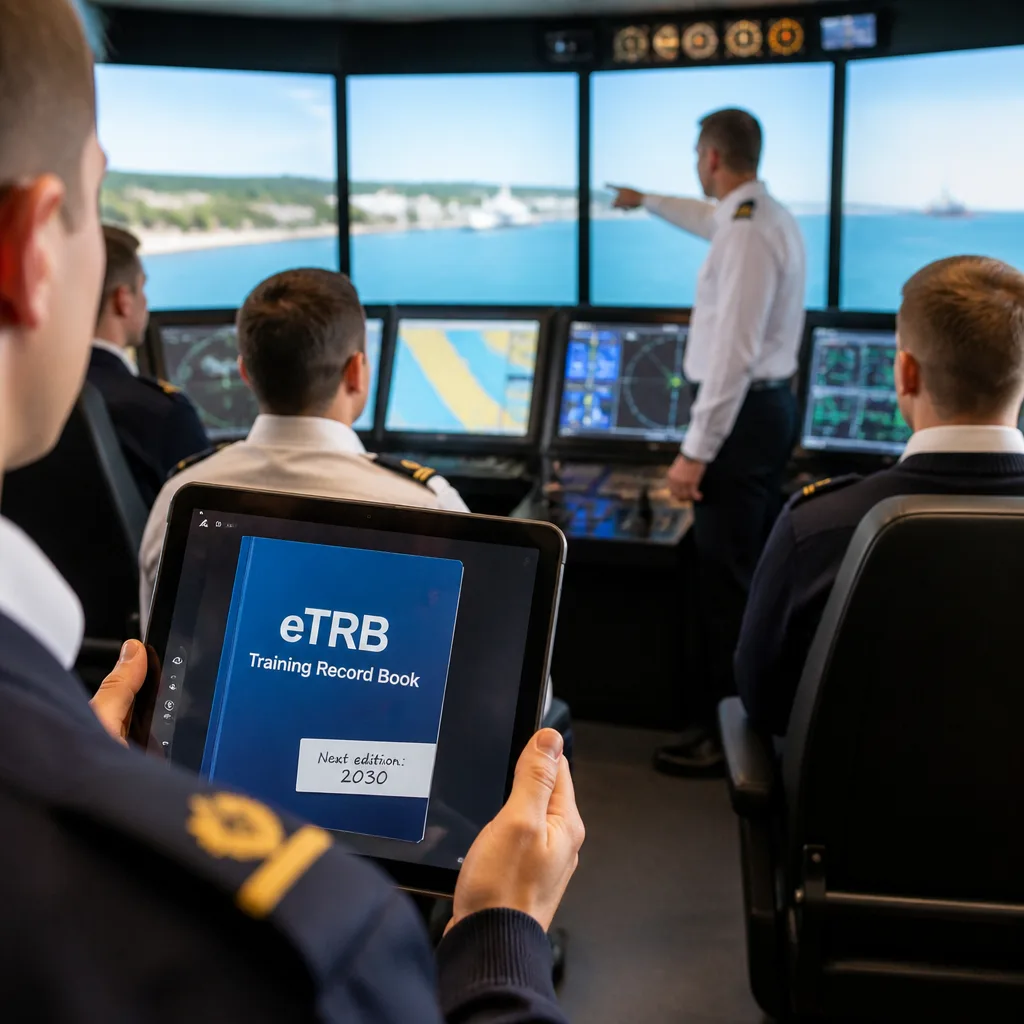
The Maritime and Coastguard Agency (MCA) has begun a continuous, five-yearly review of the UK maritime syllabus to ensure seafarer training keeps pace with technological advances and evolving safety practice. The initiative, part of the MCA-led Cadet Training and Modernisation programme, will see regular updates feeding into digital training records and assessments.
Regular updates tied to digital records
The rolling review is intended to make the syllabus a living document, adjusted every five years in partnership with industry bodies, shipping companies and training providers. The MCA says changes will be reflected in the recently deployed electronic Training Record Books (eTRBs) and in digital assessments used to certify seafarers.
The syllabus sub-group established under the Cadet Training and Modernisation (CT&M) Programme now meets quarterly and has been broadened to include additional stakeholders from across the maritime sector. The CT&M Programme itself was launched in 2021 following recommendations from the Seafarer and Cadet Training Review and aims to align learning with modern technology and practices.
“Seafarers are the lifeblood of the UK’s maritime economy, so it is critical we ensure they are equipped with the skills to work safely and successfully,”
Ajit Jacob, the MCA’s chief examiner, said this approach would allow the regulator and industry to respond faster to changes in vessel technology and to learn safety lessons more rapidly.
Implementation timetable and industry collaboration
The new cycle means syllabus editions will be periodically refreshed, with the next revision scheduled to be taught from 2030 after training centres receive the new edition in 2029. The MCA will continue to oversee standards through seafarer assessments and regular audits of training providers.
Kevin Gregory, director of the Merchant Navy Training Board, underlined the importance of collaboration between the regulator and industry, saying a shared review process is essential to maintain high training standards across UK shipping.
- Frequency: Five-year rolling review
- Programme: Cadet Training and Modernisation (CT&M), launched 2021
- Next delivery: New edition delivered to training centres in 2029, taught from 2030
| Item | Date |
|---|---|
| CT&M Programme launch | 2021 |
| Next syllabus delivered to centres | 2029 |
| Next syllabus taught | 2030 |
Why this matters for pupils, cadets and employers
For cadets and training institutions, the move signals a steady shift towards greater use of digital tools and an expectation that course content will evolve more frequently than in the past. The integration of eTRBs and digital assessments should streamline record-keeping and make it easier to demonstrate competency against the latest standards.
For employers, the review aims to reduce the lag between technological change at sea and the knowledge taught ashore. That is intended to ensure crews are conversant with new systems, emissions-reduction technology and safety-critical equipment as they enter service.
Regulatory oversight will continue through audits and assessments, preserving the MCA’s role in maintaining consistent standards across providers. The quarterly meetings of the syllabus subgroup are designed to keep the review responsive and to involve a broader range of industry voices than previously.
As shipping adopts more automation, alternative fuels and digital systems, the MCA’s five-year cycle is presented as a mechanism to ensure training content remains relevant and that seafarers are prepared for the practical realities of modern vessels.
How swiftly new material will be adopted at the classroom level will depend on training centres’ capacity to update their courses and on industry demand for crew with particular skills. The scheduled timeline provides a clear marker for providers and employers to plan for the next generation of skills.











