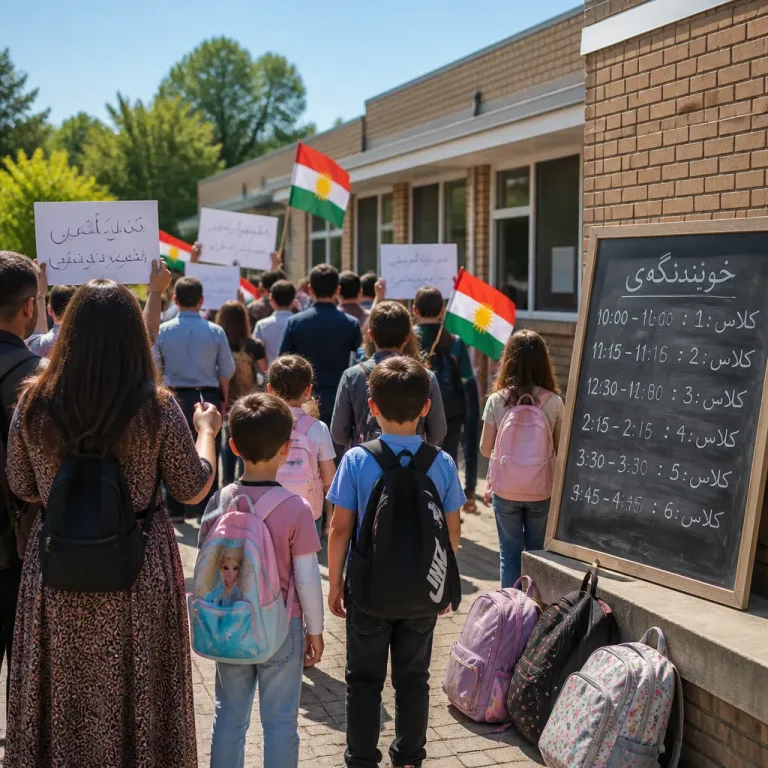
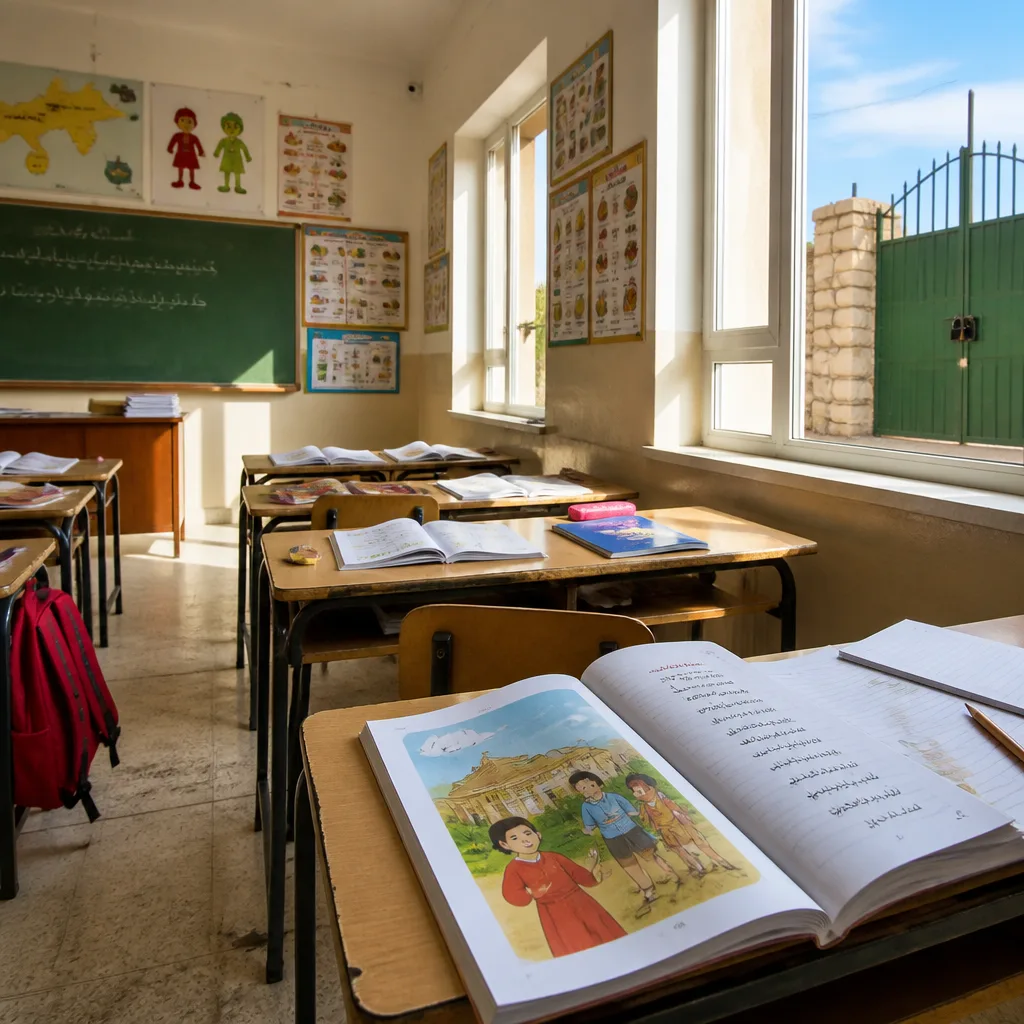
Schools and higher education institutes using a Kurdish curriculum in parts of northern Syria have closed after recent fighting, leaving thousands of students from primary age to university without formal classes, the Syrian Observatory for Human Rights (SOHR) reported.
Wider disruption across three areas
The closures affect institutions in parts of Aleppo, Al‑Shahba and Afrin. The SOHR said the shutdowns followed recent clashes and that, despite integration moves and agreements announced earlier in the year, the situation remains unresolved. Students and teachers have called for the immediate reopening of schools and for teachers to be allowed back into classrooms.
Those impacted say transferring to state‑run schools is not a straightforward remedy. Government schools use Arabic as the language of instruction, while many pupils in the affected areas have been taught in Kurdish for years. Officials and families warn the change would present significant barriers to learning and adaptation to a different curriculum.
“not a practical option for many of those affected”
Teachers and continuity at risk
Closures have left thousands of teachers temporarily out of work, according to the SOHR, compounding the immediate loss of schooling with potential longer‑term damage to the local education workforce. The report did not quantify the exact number of teachers or students affected beyond the reference to thousands, but emphasised disruption across all levels of education.
Local students told the monitoring group that attempts at integrating Kurdish‑medium education into state systems — described in reports and announcements earlier this year — have not resolved the practical problems faced by families and schools on the ground.
Consequences for pupils and policy challenges
Educationalists say abrupt curriculum and language changes risk increasing drop‑out rates, widening attainment gaps and interrupting critical learning stages. For pupils approaching key exams or progressing to higher education, interruptions of this scale could have disproportionate effects on future prospects.
The situation also underscores broader policy tensions in Syria over language of instruction, minority rights and the governance of education in contested areas. While the SOHR report focuses on the immediate school closures and the appeals by students and teachers, the underlying issues reflect long‑standing disputes over the provision and recognition of Kurdish‑language schooling.
- Affected areas: Aleppo, Al‑Shahba, Afrin
- Levels disrupted: primary to university
- Immediate effects: thousands of pupils out of class; thousands of teachers out of work
| Category | Details reported by SOHR |
|---|---|
| Geographical scope | Aleppo, Al‑Shahba, Afrin |
| Education levels | Primary through university |
| Main concerns | School closures; teachers barred from classrooms; language barriers to state schools |
For parents and teachers in the affected communities the concern is practical: pupils who have been taught in Kurdish for years face the difficulty of shifting to Arabic instruction, which could hinder comprehension and progression. The SOHR report quoted affected students describing state schooling as:
“not a practical option for many of those affected”
International and local observers of Syrian education have previously warned that disruption caused by conflict tends to entrench disparities and makes post‑conflict recovery harder. Reopening schools and restoring consistent teaching are widely seen as priorities for protecting pupils’ immediate welfare and ensuring long‑term stability.
The SOHR account did not set out whether any humanitarian or educational agencies were currently able to intervene to offer temporary learning alternatives or language support. It also did not detail any specific guarantees from authorities about the return of teachers or a timetable for reopening schools.
The appeal from students and teachers for swift action highlights how education — and particularly the language in which it is delivered — remains a central and sensitive element of community life in Syria’s contested regions. Policymakers and aid agencies face the task of balancing security, governance and the urgent educational needs of children and young people when planning any response.