Swindon is consolidating its reputation as a centre for defence technology and innovation, with local leaders pointing to a pipeline of inward investment expected to generate more than 1,000 highly skilled jobs in the coming years.
National strategy identifies Swindon as a key hub
The trend follows the publication last year of the Government’s Defence Industrial Strategy: Making Defence an Engine for Growth, which explicitly highlighted Swindon as a focal point for defence innovation. The town has since seen several major projects land locally, driven by work from the council’s inward investment and economic development teams.
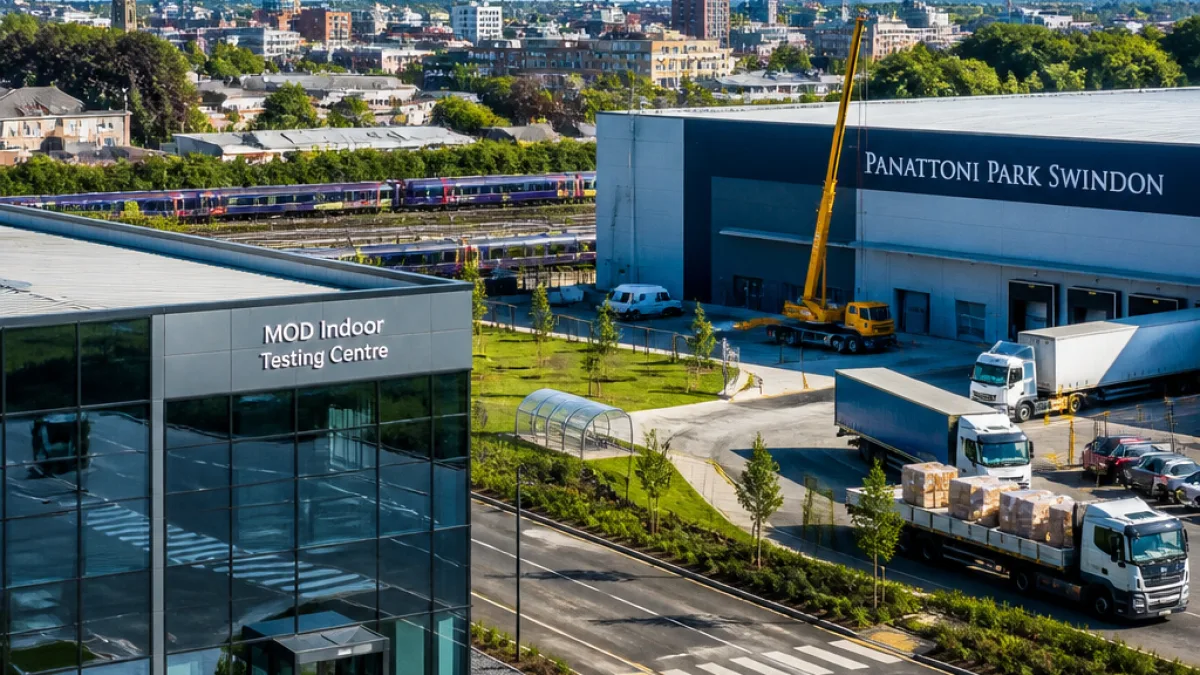
Among the developments cited by Swindon Borough Council are the Ministry of Defence’s new indoor testing centre at Panattoni Park and the arrival of defence technology firm TEKEVER into the Spectrum Building. Council leaders say these investments demonstrate the practical effects of the national strategy on the ground.
Local authority role and expected benefits
Councillor Gary Sumner, Leader of Swindon Borough Council, said the council’s proactive approach to securing sites and guiding companies has helped attract “world-class innovators”. He described the interventions as delivering high-value, well-paid and skilled roles for local people while strengthening national resilience.
“Securing the MOD’s new indoor testing centre at Panattoni Park and welcoming TEKEVER into the Spectrum Building demonstrates exactly what can be achieved when a council is proactive, commercial and focused on growth.”
The council attributes its success to targeted engagement with regional defence clusters, national stakeholders and industry. Officials say the approach has removed barriers for investors and matched appropriate sites to commercial requirements.
What this means for Swindon
For residents, the influx of defence and autonomous-systems activity could have several practical effects:
- increased demand for technical and engineering roles in the town;
- opportunities for local businesses to provide specialist services and supplies to new occupiers;
- enhanced profile for Swindon as a centre for advanced engineering and uncrewed systems.
Those outcomes build on the town’s existing industrial strengths. Swindon’s railway heritage and engineering base were cited by council leaders as compatible foundations for the newer high-tech activity now being pursued.
Projects and numbers
The council is publicly linking the MOD testing facility at Panattoni Park and TEKEVER’s tenancy in the Spectrum Building to a broader programme of inward investment that, in their view, will generate the majority of the new roles.
| Project | Location | Impact |
|---|---|---|
| MOD indoor testing centre | Panattoni Park | Part of the investment expected to support skilled jobs |
| TEKEVER tenancy | Spectrum Building | Anchor private-sector technology tenant |
While the council has been keen to stress the headline figure of more than 1,000 jobs, it has framed the growth as a rolling process tied to additional facilities, occupiers and supply-chain decisions yet to be finalised.
Local employers, training providers and residents will be watching which roles are created and how quickly vacancies are advertised. The council says its inward investment work includes helping to match local people to opportunities, but the precise mix of jobs — whether predominantly engineering, R&D, testing or support services — will follow the specific needs of companies that locate in Swindon.
For a town balancing its industrial past with a push towards high-tech futures, these developments represent both an economic opportunity and a test of how effectively local institutions convert national strategy into local jobs.
As projects evolve, residents and businesses in Swindon are likely to seek further detail on timescales, training pathways and the prospects for smaller firms to win contracts from newly arrived defence companies.