Dräger has appointed Alex Dryden as its Government and National Resilience Business Development Manager, signalling a renewed push to embed the company's products and services with the UK's emergency services and broader national resilience infrastructure. The role will focus on connecting frontline operational requirements with the firm's equipment, training and post‑incident support.
Role targeted at Category 1 responders
In his new position, Dryden will work with fire and rescue services, police, ambulance services and other Category 1 responders to help them understand how Dräger’s technologies and capabilities can aid preparedness, response and recovery from major incidents. The company emphasised the post‑incident cycle—preparing, with the right equipment and training, through to recovery and asset management.
“What attracted me to Dräger is the opportunity to be part of a business where supporting Category 1 responders is at the heart of what it does. Dräger has a strong reputation for innovation, quality and customer relationships, and there is a real opportunity to work with customers as a trusted partner.” — Alex Dryden
Dryden brings a mixed background in sales and business development across industrial and firefighting vehicles, and military and emergency service technology. He has also served as a retained firefighter in Suffolk, experience Dräger says will help him appreciate operational needs.
What the appointment means for services and suppliers
Public-sector buyers increasingly expect suppliers to offer more than kit: procurement now typically covers lifecycle support, training, and integration with local plans. Dräger’s statement underscores that position, highlighting the company's emphasis on training, emergency planning, asset management and ongoing support alongside equipment.
- Operational fit: The role is intended to map operational requirements to capabilities that prevent, withstand and recover from incidents.
- Customer relationships: Dräger says it aims to act as a trusted partner, not just a supplier.
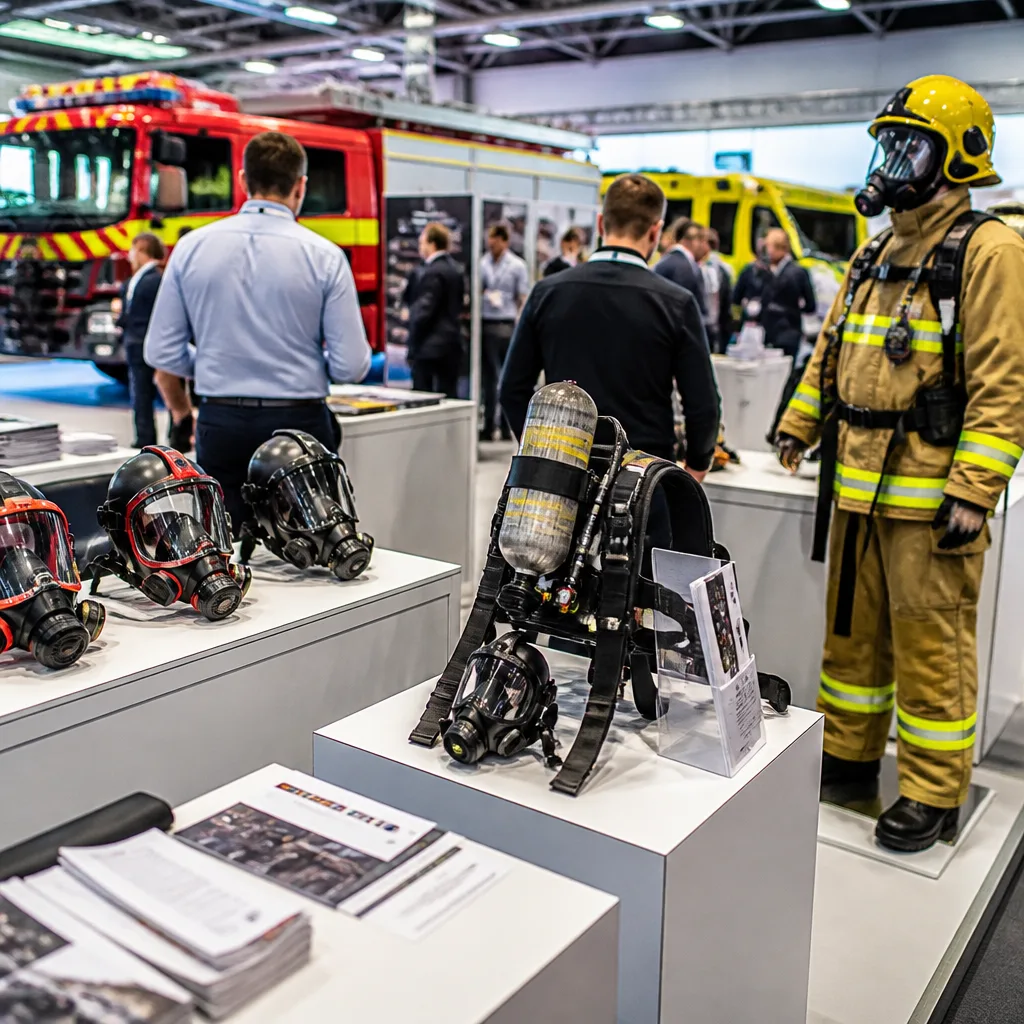
- Visibility: Dryden will be present at The Emergency Services Show in Birmingham in mid‑September to meet contacts and showcase Dräger’s capabilities.
Matt Evans, Head of Government for UK and Ireland Safety Division, who Dryden will report to, said the appointment brings useful operational insight. In Dräger’s release he said resilience is built by combining equipment with training and planning, and that Dryden’s ability to connect customer requirements with these broader capabilities will be “a real asset”.
Context and consequences for budgets, readiness and jobs
While the announcement contains no new procurement figures, it highlights a trend in emergency services spending: away from one‑off capital purchases towards bundled contracts that cover maintenance, training and asset management. For services under pressure from constrained budgets, suppliers that offer integrated packages can be attractive because they promise predictable lifecycle costs and reduce the burden on in‑house training teams.
For frontline staff, the practical impact of a supplier focusing on training and support is whether equipment is easier to use, better maintained and more reliably available when needed. For taxpayers and councils, the question is whether such arrangements lower total cost of ownership or simply consolidate spend with a single vendor.
| Stakeholder | Expected benefit |
|---|---|
| Fire and rescue services | Improved equipment integration, tailored training and asset support |
| Police and ambulance services | Access to interoperable protective and detection technologies alongside preparedness planning |
| Local authorities / resilience planners | Partnered solutions that link procurement to emergency planning and recovery |
Dräger is using the profile of The Emergency Services Show to promote the appointment and its capabilities. The presence of a named government and resilience lead reflects a deliberate commercial strategy: embed senior staff who understand both operational realities and the procurement landscape so the company can better position itself when contracts are drawn up.
For emergency services bodies weighing whether to sign multi‑year deals that bundle hardware with support and training, the appointment is a reminder that suppliers are increasingly selling capability rather than single items. How that translates into value for money and resilience on the ground will depend on contract terms and the quality of delivery—areas services and commissioners will need to scrutinise closely.
Dryden’s hands‑on experience as a retained firefighter and his background in emergency technology put him in a position to bridge technical teams and frontline users. Whether that leads to tangible changes in procurement or operational readiness will be visible in the coming months as Dräger seeks to deepen relationships across the sector.