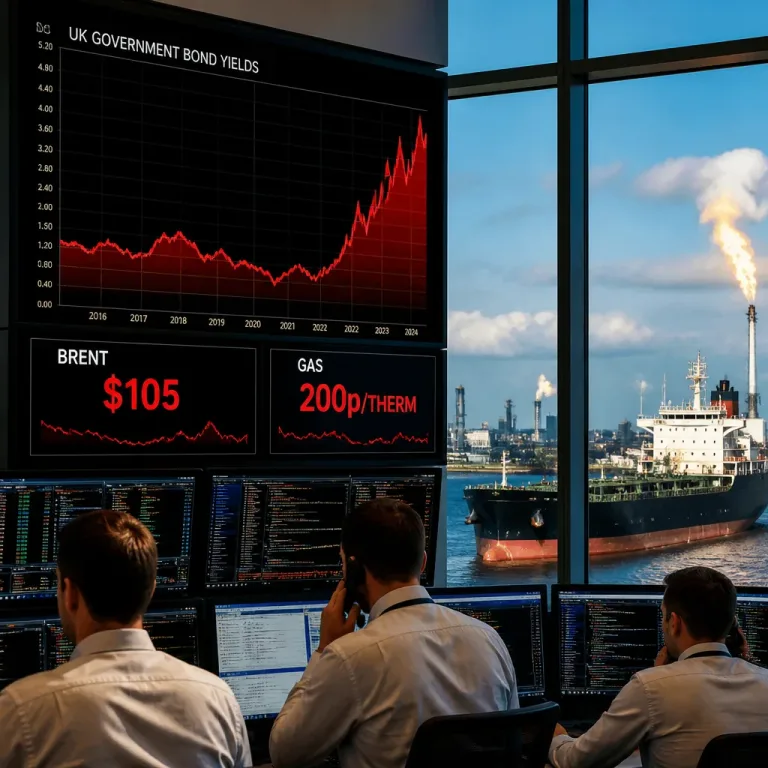

Energy costs are the chief concern for roughly half of small and medium-sized enterprises (SMEs) across the island of Ireland, according to the latest All-Island Business Monitor from InterTradeIreland. The quarterly survey paints a picture of resilience — with most firms reporting stability or modest growth — but also highlights how rising input costs are squeezing margins and complicating business planning.
Profitability intact, but margins unclear
InterTradeIreland’s poll of more than 750 managers found that 60% of firms reported they were profitable in the second quarter, while a similar share — 60% — said business conditions were stable. Around 35% of respondents recorded growth over the quarter. Yet despite these indicators, nearly half of firms — 47% — said they were uncertain about their profit margins.
This disconnect, the report suggests, reflects a shift from acute financial distress to persistent cost pressures and geopolitical uncertainty that are making it harder for companies to pin down margins as they battle higher energy and overhead costs.
How firms are coping with higher energy prices
Faced with rising energy bills, firms are splitting three ways. Approximately 29% are increasing prices for customers, about one third are absorbing the higher costs within their profit margins, and another third are reportedly taking neither step.
- 29% of firms passing costs to customers
- ~33% absorbing energy costs into margins
- ~33% neither passing on nor absorbing costs
“The All-Island Business Monitor shows that SMEs remain resilient, with most firms profitable and stable,” said Anne-Marie Murphy, assistant director of strategy at InterTradeIreland.
Murphy added that a four-quarter view shows momentum has cooled, with indicators for growth, sales, profits and hiring intentions edging down over the past year. The survey underlines that while outright insolvency is not widespread, firms are finding margin visibility increasingly opaque.
Implications for prices, pay and hiring
For consumers, the simple arithmetic is clear: where businesses choose to pass on higher energy costs, prices will rise. Where firms absorb costs, margins will shrink — reducing funds available for investment, hiring or wage growth. The report’s finding that just 8% of firms describe themselves as “very profitable” suggests there is limited scope across the board for meaningful pay increases.
Hiring intentions weakening alongside falling momentum means the labour market may remain tight for some time, but without material job creation from SMEs. That matters because smaller firms are major regional employers; sustained margin pressure could slow broader recovery in employment and pay growth.
What firms want and where support can help
InterTradeIreland points SMEs towards its Business Explorer and Innovation Boost programmes to build resilience and boost capabilities. The survey also implicitly flags the need for policy interventions and private-sector support focused on energy efficiency, cost mitigation and innovation funding.
Policymakers should note this is not a story of failing firms, but of companies navigating a tougher cost environment. The balance between protecting margins and keeping prices competitive will drive outcomes for consumers and workers alike in the coming quarters.
| Indicator | Share of firms |
|---|---|
| Profitable | 60% |
| Stable | 60% |
| Growth | 35% |
| Uncertain profit margins | 47% |
| Passing costs to customers | 29% |
The All-Island Business Monitor is based on telephone interviews with over 750 managers across multiple sectors and is produced quarterly. For businesses and policymakers alike the headline is not dramatic failure, but a steady tightening of conditions that will test SME resilience through energy, labour and overhead cost pressures.