Channel 4’s restructure raises questions for Bristol’s media quarter
Channel 4’s announcement that it will reduce its workforce by roughly 340 roles by the end of 2026 has cast doubt over the future of the broadcaster’s creative hub in Bristol, where around 50 staff are employed.
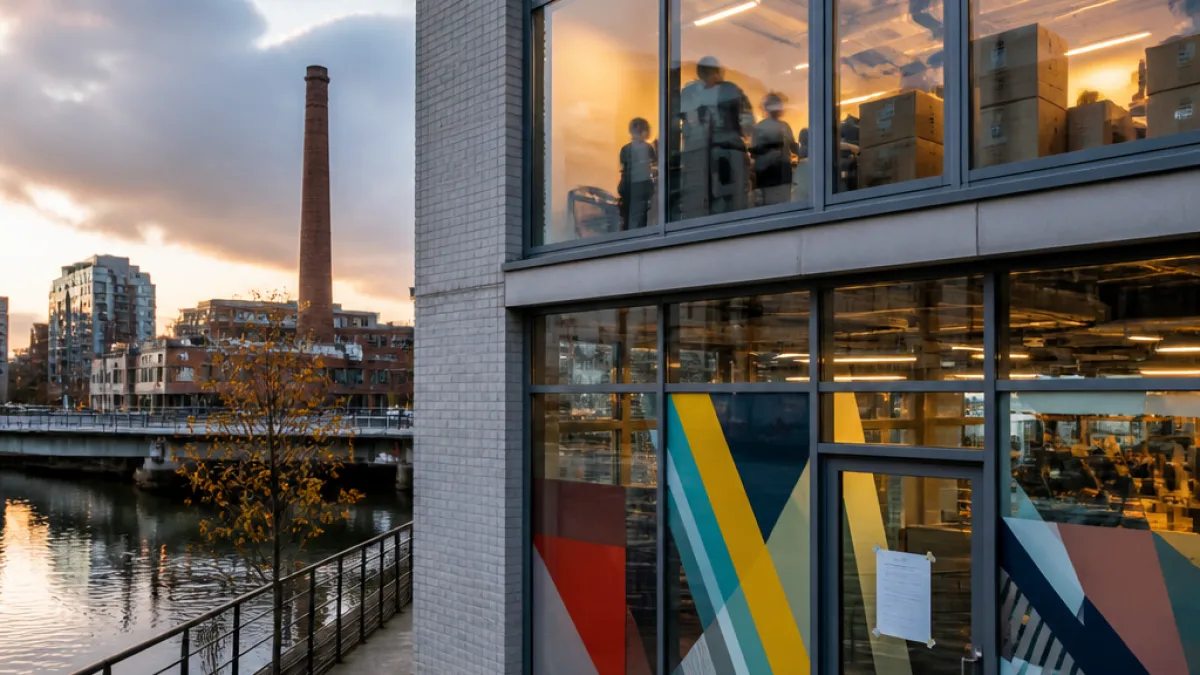
The second-floor office in the Fermentation Building at Finzels Reach opened in 2020 and was highlighted at the time as a base for key creative decision‑makers and a signal of Bristol’s growing importance to the UK’s television production sector. Local figures, including former mayor Marvin Rees, were instrumental in securing Channel 4’s presence in the city.
Channel 4 says its “long-term transformation strategy” requires a major reduction in non-programming spend to secure the organisation’s future. The reported loss of about 28% of the workforce is part of the first phase of that plan.
- Approximately 340 roles to go by the end of 2026 (about 28% of the workforce).
- Roughly 50 staff are based at Channel 4’s Bristol hub in Finzels Reach.
- Transformation aims to free up funds to invest in programming.
Chief executive Priya Dogra described the move as a necessary, if painful, overhaul. She said the changes were intended to make the broadcaster “the right shape and size to deliver its future strategy” and to enable it to direct more investment into the programmes that audiences enjoy.
“We need to secure and own our future so we can continue to make shows others won’t, reach audiences others can’t, and thrive as a distinctive and disruptive British voice for future generations.”
Dogra acknowledged the human cost of the proposals, adding that the impact would be significant across the organisation and that many long-serving, talented colleagues would be leaving as a result.
Local implications for jobs and the creative sector
For Bristol, the announcement threatens not only jobs but also the symbolic value of hosting a national broadcaster. The creative hub in Finzels Reach had been presented as a way to strengthen links between Channel 4 and local production companies, supporting the city’s producers and freelancers.
City leaders and the local cultural community had previously pointed to Channel 4’s presence as evidence of Bristol’s growing profile in the national creative economy. With a compact cluster of production talent, facilities and festivals, Bristol has pitched itself as an alternative base to London for television and film activity. Any reduction in staff or decision to scale back the hub would raise questions about that positioning.
At this stage Channel 4 has said the transformation will target non-programming expenditure so the organisation can concentrate resources on making shows. The strategy is being presented as vital to allow the channel to continue producing distinctive content and to reach audiences that other broadcasters might miss.
| Figure | Value |
|---|---|
| Planned job losses (UK-wide) | ~340 |
| Share of workforce | ~28% |
| Staff at Bristol hub | ~50 |
Those working in Bristol’s creative industries will be watching closely. The community includes small production companies, freelancers and suppliers who may feel the knock‑on effects if commissioning or decision‑making teams are moved or reduced. For many in the city, Channel 4’s arrival in 2020 was a vote of confidence; the current announcements risk weakening that momentum.
Channel 4 said the changes mark the first phase of its transformation. The broadcaster framed the process as difficult but necessary to create “a simpler, more focused and more sustainable Channel 4” able to invest a greater share of resources into programming.
For Bristol the next questions are concrete: what form will the local presence take going forward, whether roles will be relocated or cut, and what support — if any — will be provided to the city’s production sector to offset any impact. Those answers are likely to emerge as the broadcaster moves through the consultation and implementation stages of its plan.
In the meantime, Bristol’s creative community and civic leaders will be considering how to preserve and build on the gains made since 2020, even as national media organisations reshape their operations in a challenging market.