New pilot aims to move long‑term Universal Credit claimants into work
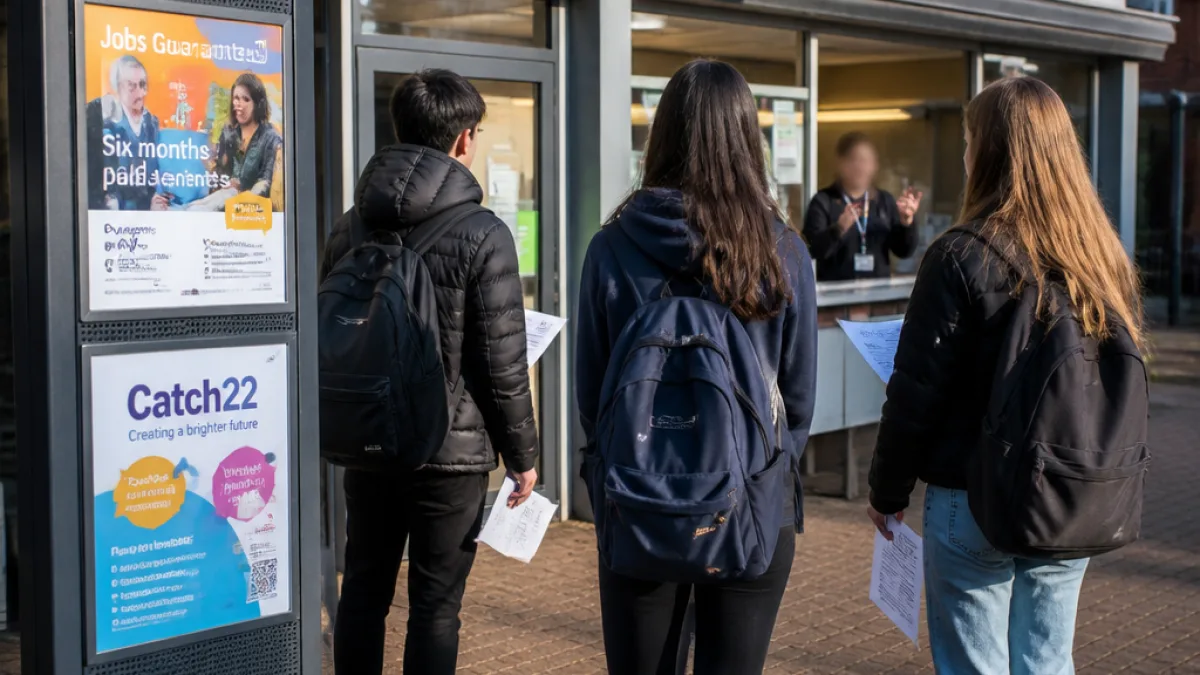
A Department for Work and Pensions (DWP) pilot will offer paid work placements to young people in Birmingham and Solihull who have been unemployed and claiming Universal Credit for 18 months or more. The programme, delivered locally by charity Catch22, is one of five national pilot sites intended to create routes into sustained employment for those aged 18 to 21.
Catch22 will support 275 young people in the West Midlands into a fully subsidised, six‑month placement with local employers. Referrals will come directly from Jobcentre Plus, which will identify those who meet the eligibility criteria and could benefit from the scheme.
How the scheme will work for participants and employers
Placements are funded to cover up to 25 hours per week at the national minimum wage. Catch22 has set out a package of support around each placement designed to help young people build skills and sustain employment. This includes:
- Two weeks of intensive pre‑placement support;
- Ongoing in‑work wraparound support from a dedicated Career Coach;
- A one‑off £300 bursary for those on the programme;
- Access to specialist mental health support to help sustain work.
For employers, the Jobs Guarantee: West Midlands promises a straightforward route to filling vacancies, with funding and direct support from Catch22 and partner organisations to help manage recruitment and on‑boarding of placements.
Partners and wider roll‑out
Catch22 is delivering the West Midlands pilot with Supplytrain CIC and Sport 4 Life UK. Supplytrain brings experience from the Kickstart programme in engaging employers, while Sport 4 Life UK contributes local employment expertise.
| Detail | West Midlands pilot |
|---|---|
| Delivery partner | Catch22 (with Supplytrain CIC, Sport 4 Life UK) |
| Number of placements | 275 |
| Placement length | Six months |
| Hours funded | Up to 25 hours/week at national minimum wage |
| Age range | 18–21 |
The West Midlands is one of five pilot areas, alongside Manchester, Hertfordshire/Essex, South Wales and Scotland, marking a targeted attempt to trial interventions that may later be scaled nationally depending on outcomes.
Local implications and the challenge ahead
The scheme is aimed squarely at young people who have been out of work for a prolonged period. Catch22 stresses the importance of combining financial support with coaching and mental health provision to improve the chances of participants moving into long‑term employment.
"Far too many young people face barriers when trying to secure long‑term employment, and the longer someone remains out of work, the more challenging it can become to build"
The pilot raises immediate questions for Solihull employers and local services: whether there are enough suitable placement opportunities in the borough, how employers will adapt to take on short‑term subsidised workers and how Jobcentre Plus and third‑sector partners will coordinate referrals. Local businesses offering part‑time roles or seasonal work may find the funding and brokered support an attractive way to bring in young staff, while charities and training providers will be monitoring how the wraparound services operate in practice.
For young Solihull residents who meet the criteria, the programme offers a paid route into the workplace and a potential bridge to sustained employment. The effectiveness of the pilot will be judged on how many participants move from placements into lasting jobs and whether the combination of coaching, bursary support and mental health services reduces the risk of participants sliding back into unemployment.
Catch22 and partners will be working with Jobcentre Plus in the coming weeks to begin referrals and place young people into local roles. The pilot’s progress will be watched closely by employers, local authorities and campaigners concerned about youth unemployment and the transition from benefits to work.