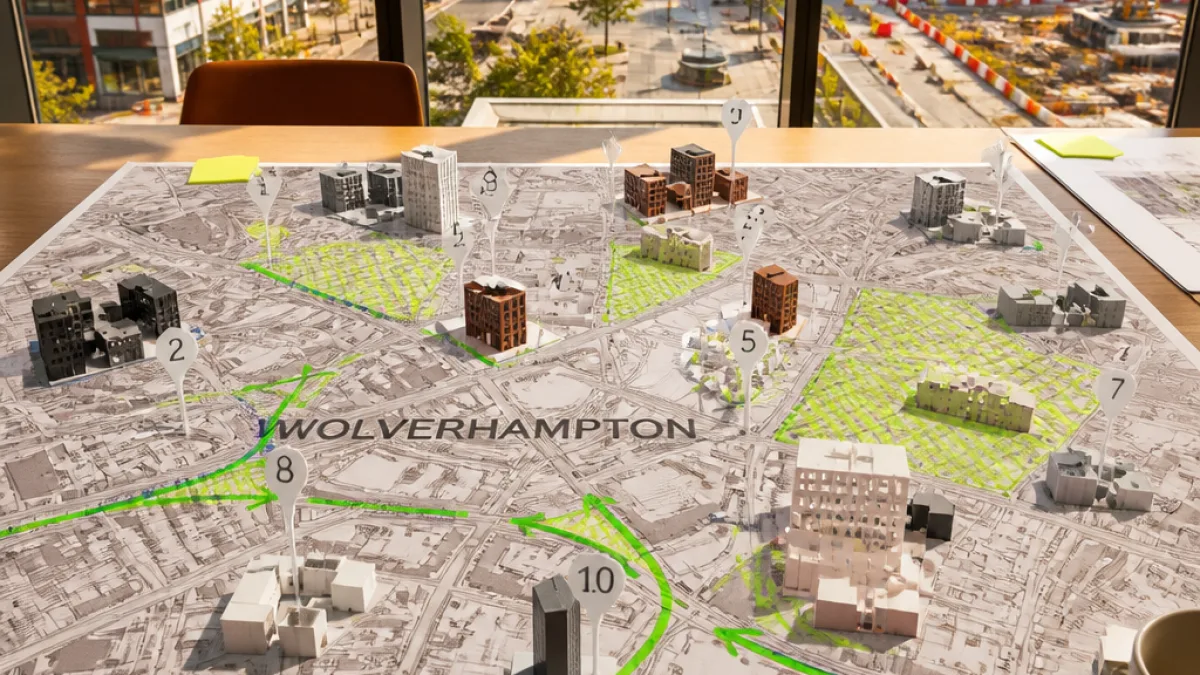
Council to vote on long-term city centre blueprint
The City of Wolverhampton Council is due to consider a long-term regeneration framework next week that sets out ambitions for housing, public realm and connectivity across the city centre. The document, titled Our Future City Centre Plan, will go before the council’s Cabinet on Wednesday 2 September.
Prepared as a live framework to be updated annually, the plan identifies 33 potential development sites across ten regeneration areas and estimates they could collectively deliver 6,750 new homes. Key priorities include greener public spaces, improved connectivity, housing provision alongside associated health and education infrastructure, and enhancements to retail and leisure offers.
What the plan sets out
A report prepared for Cabinet recommends approval and characterises the document as providing a platform for both the council and potential investors. The report says the plan will enable informed decisions on site assembly, sustainable growth, infrastructure delivery and investment and will establish new governance arrangements for reviewing and prioritising projects on an annual basis.
“The document provides a clear, inclusive and robust basis from which the council and inward investors can make informed decisions on site assembly, sustainable growth, infrastructure delivery and investment,”
The plan follows a public consultation that concluded on 14 August, and the council’s Scrutiny Board reviewed its ambitions and priorities earlier in the year. If Cabinet approves the plan, it will be adopted as the council’s framework for city-centre regeneration and used to guide public- and private-sector activity.
Local impact and implications
For residents, the scale of the proposals — up to 6,750 homes across the city centre — would represent a major change to housing provision and urban form. The plan expressly links new housing to complementary infrastructure, highlighting the need for health and education facilities alongside residential development.
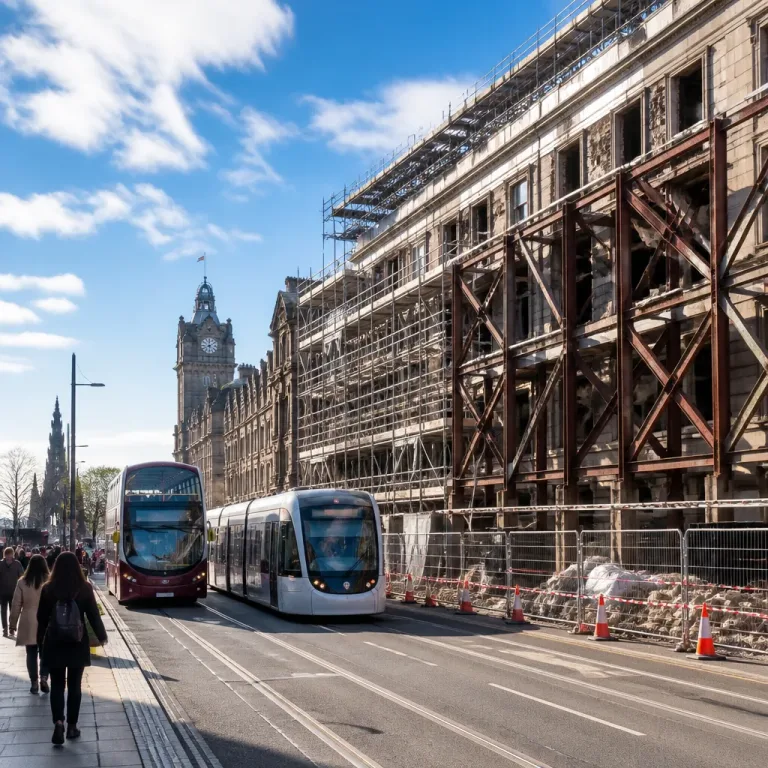
Improvements to green public spaces and connectivity are also flagged as priorities. That signals potential changes to streetscapes, transport links and leisure provision in Wolverhampton’s centre, with an emphasis on making the area more attractive to visitors, retailers and investors.
How the plan will be governed and updated
Officials stress the plan is not a fixed masterplan but a live document. The proposed governance arrangements are intended to ensure the council and partners can review development priorities and delivery programmes and update them annually in response to market conditions and emerging opportunities.
| Metric | Figure |
|---|---|
| Potential development sites | 33 |
| Regeneration areas | 10 |
| Potential new homes | 6,750 |
Next steps and scrutiny
If Cabinet agrees the recommendation on 2 September, the plan will form the council’s reference for inward investment and for prioritising infrastructure and site assembly across the city centre. The document commits to annual review cycles so that priorities can be adjusted to changing market conditions.
Residents and local stakeholders who took part in the recent consultation will be watching how recommendations are translated into delivery programmes and whether promised improvements to connectivity, green space and local services are funded alongside housing growth.
- Decision due: Cabinet meeting, 2 September
- Consultation closed: 14 August
- Core output (potential): 6,750 homes from 33 sites in 10 areas
The council’s next formal step will be the Cabinet meeting, where members will decide whether to approve the blueprint and its recommended governance arrangements for annual review and prioritisation of sites and investments.