National scheme extended for Dudley passengers
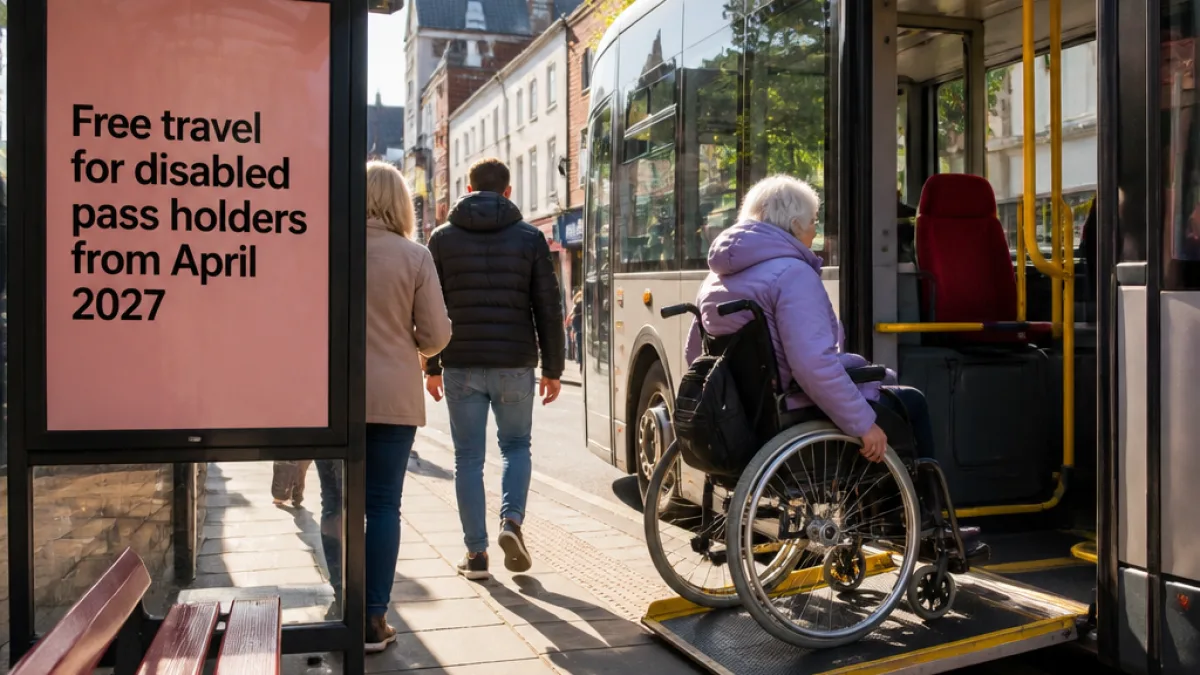
Disabled concessionary bus-pass holders in Dudley will be able to travel free at any time of day from 1 April 2027, under a Government-backed extension to the national concessionary travel scheme.
The move removes the current daytime restriction on the national entitlement, which presently guarantees free travel on weekdays only between 9.30am and 11pm. The Department for Transport and Government ministers have committed a £60 million funding package to support the change, which will apply across England.
What the change means locally
For many people in Dudley, buses provide essential access to work, health appointments and education. The West Midlands Combined Authority (WMCA) recorded 43,737 disabled concessionary travel passes in 2025, a figure cited by local MPs and regional ministers when outlining the benefits of the reform.
Under the revised rules from April next year, those eligible for the national disabled concession will be able to use their pass at any hour, every day of the week, rather than being constrained by the previous time window.
- Effective date: 1 April 2027
- Funding pledged: £60 million by the Government
- Regional passes recorded (2025): 43,737 in the WMCA area
| Aspect | Current (pre-April 2027) | From 1 April 2027 |
|---|---|---|
| Free travel hours | Weekdays 9.30am–11pm | Any time, every day |
| Geographical scope | England (national concession) | England (national concession) |
Voices from Dudley and the region
Sonia Kumar, MP for Dudley, welcomed the change, stressing how buses are a vital link for many residents.
"For many disabled people in Dudley, buses aren't simply a convenient way of getting around – they're a lifeline connecting them with work, education, healthcare, family and their community," she said.
Andy Burnham, the Prime Minister, said the reform would remove unfair time restrictions that had prevented disabled people from using their passes at certain hours. He described the change as part of a broader plan to make public transport more accessible and to support people's independence.
Practical consequences and remaining questions
Local campaigners and disability groups have long argued that time-limited passes restrict employment opportunities, make it harder to attend early medical appointments and reduce independence. The Government funding pledge aims to remove barriers by reimbursing operators or compensating local authorities for lost fares arising from expanded free travel.
However, some practical questions remain for Dudley residents and bus operators. These include how the new reimbursement arrangements will be administered locally, whether timetable and service levels will be adjusted in response to demand changes, and how operators will be briefed to ensure consistent application from the implementation date.
Local authority transport teams and the WMCA will need to work with bus companies to confirm operational details and to ensure passengers are informed well in advance of the change. The council and regional bodies have not announced any local implementation plans or communication programmes at the time of publication.
Outlook for passengers
For eligible Dudley residents, the change promises greater flexibility and security: early shift workers, people travelling for late medical appointments and those who attend evening classes will be among those to benefit most. The reform also aligns with regional efforts to promote public transport as a means to improve social inclusion and access to employment.
Officials at national and regional level say the policy will be monitored to assess its impact on passenger behaviour and on the finances of bus operators. For now, disabled concessionary pass holders in Dudley can expect the assurance that, from April 2027, their pass will work whenever they need it.