City plaque recognises pioneering use of penicillin in Sheffield
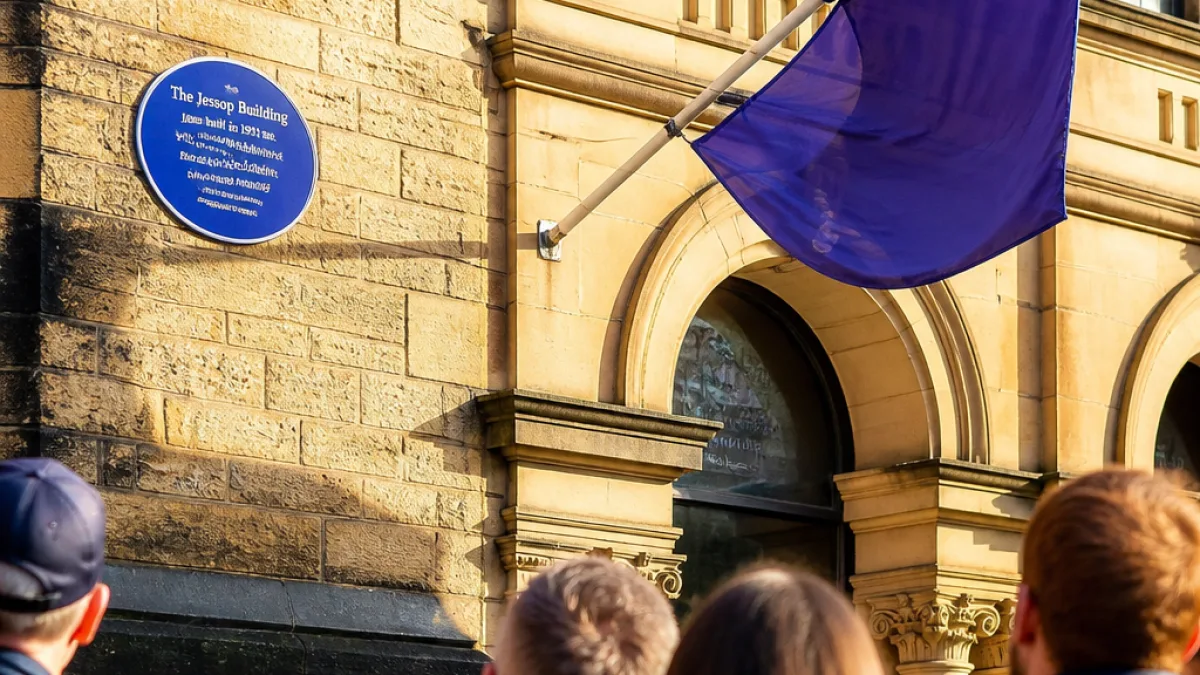
The University of Sheffield and local dignitaries have this week unveiled a blue plaque at the Jessop Building to commemorate the work of Dr Cecil Paine, the pathologist credited with the first documented clinical use of penicillin. The recognition brings renewed attention to research carried out in Sheffield in the early 20th century that helped establish antibiotics as a therapeutic tool.
While Alexander Fleming is widely known for discovering the mould that produced penicillin in 1928, it was Dr Paine, working in Sheffield, who is recorded as the first clinician to use an early, unpurified form of the substance to treat human infections. According to university experts, Paine treated two infants and a miner with what was then an experimental preparation in 1930.
Local work that influenced global outcomes
Researchers at the University of Sheffield say Paine’s interventions were significant because they established that the substance could be used therapeutically to treat human disease. The mould that yielded penicillin was supplied to Paine by Fleming, who had been Paine’s lecturer at St ... (the connection emphasises the Sheffield links across discovery and clinical application).
The university has described Paine’s contribution as having helped pave the way for the later widespread use of antibiotics; global estimates suggest that since their introduction, antibiotics have contributed to saving tens of millions of lives. The blue plaque has been mounted on the Jessop Building on Leavygreave Road, Broomhall, a building formerly used as the city’s Victorian maternity hospital and connected to the city’s medical history.
- Dr Cecil Paine — pathologist and early clinical user of penicillin in Sheffield.
- Jessop Building — site of the plaque and part of Sheffield’s medical heritage.
- Clinical milestone — first recorded use of unpurified penicillin to treat human infections in 1930.
“It was Dr Paine who paved the way for the therapeutic use of penicillin,” university experts said, underscoring the city’s role in early antibiotic therapy.
Tracing the timeline
The sequence of events tied to the early history of penicillin highlights how discovery and clinical application can be distinct but complementary steps:
| Year | Event |
|---|---|
| 1928 | Alexander Fleming discovers Penicillium mould producing antibacterial substance. |
| 1930 | Dr Cecil Paine records the first therapeutic use of unpurified penicillin in Sheffield, treating two babies and a miner. |
| 1932 | Paine takes up an academic post at the University of Sheffield’s Pathology Department. |
The plaque ceremony drew attention from university staff and civic representatives, and it brought into public view a name that had been largely forgotten outside medical-historical circles. Paine worked for many years at the Jessop hospital and its Norton annexe before retiring; his clinical interventions remained a noteworthy though understudied link in the chain from laboratory discovery to life‑saving treatment.
Why the recognition matters to Sheffield
For Sheffield, the commemoration of Paine’s work is both a local celebration of scientific heritage and a reminder of the city’s historical role in developments that have had worldwide impact. The plaque connects a physical site in the city — the Jessop Building on Leavygreave Road — with a medical milestone whose implications stretched far beyond Sheffield.
As the city marks the contribution, university academics and local historians hope the recognition will encourage further public engagement with the city’s medical past and prompt renewed study of early clinical applications of penicillin and how they influenced later developments in antibiotics.
The installation of the blue plaque adds Paine’s name to Sheffield’s roster of historically significant figures and restores to public view a chapter in the city’s scientific story that played a part in shaping modern medicine.