
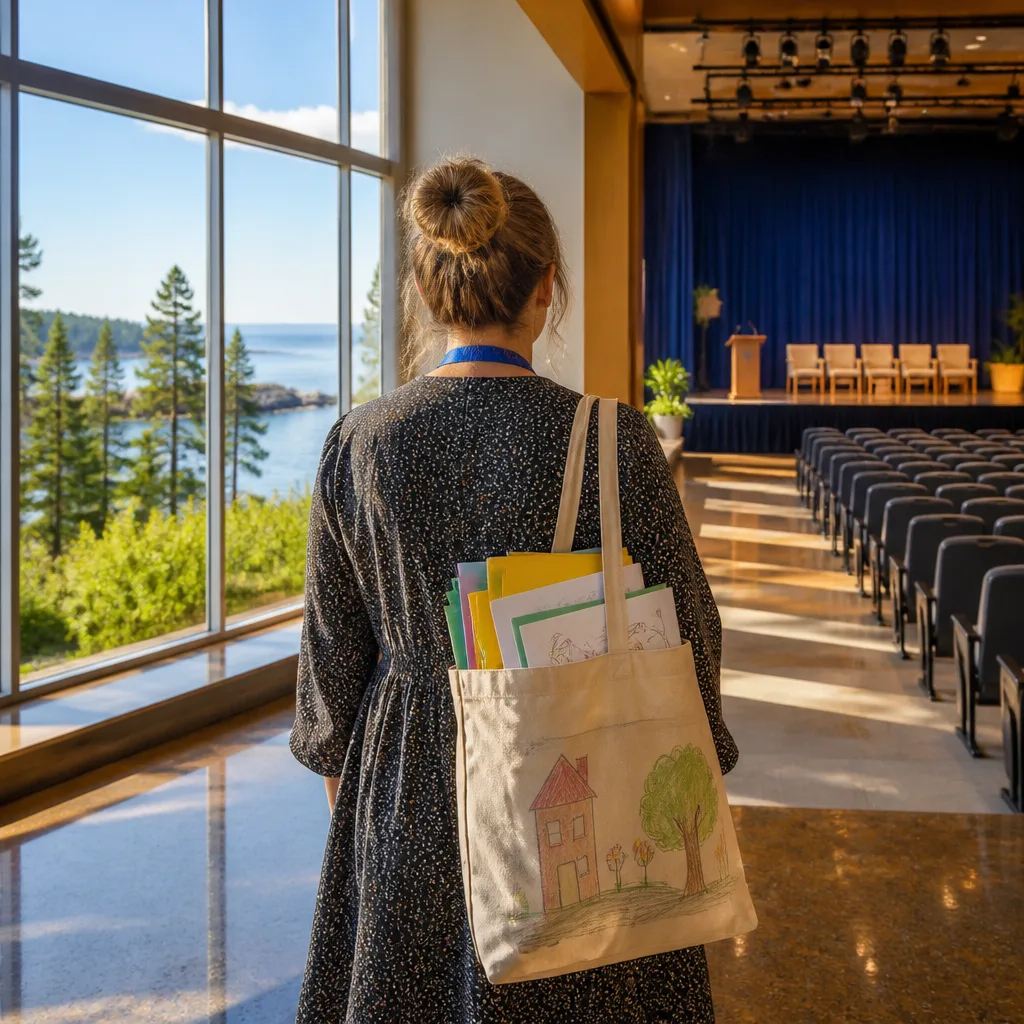
Sean Cavanaugh, a practising teacher from Washington County, Maine, has taken a rural classroom perspective to the national stage after being selected as one of six educators to receive a scholarship from the Council for Exceptional Children to attend the Special Education Legislative Summit.
From general classroom to specialised practice
Ten years after beginning his career as a general elementary teacher, Cavanaugh moved into special education and now works primarily with children from pre-kindergarten to third grade at Calais Elementary School. While teaching full time he enrolled on a PhD programme in education at the University of Maine College of Education and Human Development, specialising in special education, to gain the certification and research skills needed to extend opportunities for pupils with disabilities.
Bringing rural needs into national debate
The Special Education Legislative Summit, held from 19 to 22 July in Washington, D.C., convened more than 300 special education leaders for policy briefings, strategy sessions and meetings with lawmakers and their staff. Cavanaugh said the event offered a chance to ensure that the particular challenges faced by rural schools were heard in national conversations about support for pupils with disabilities.
“In rural Maine, you really need to be prepared to do a little bit of everything based on the needs of individual students who qualify for special education services.”
His faculty adviser, associate professor Sarah Howorth, encouraged him to apply for the scholarship. Cavanaugh described the doctoral programme as providing a useful mix of research approaches and practical techniques that he can apply directly in the classroom.
Practical research informing classroom provision
Balancing full-time teaching with doctoral study, Cavanaugh has focused on research and advocacy skills that inform inclusive practice. He said that learning grounded in data and evidence has direct application to his pupils, enabling him to shape interventions and support that reflect both statutory expectations and local realities.
- Scholarship: one of six awarded by the Council for Exceptional Children.
- Summit attendance: more than 300 special education leaders and advocates attended.
- Programme dates: 19–22 July.
| Detail | Figure |
|---|---|
| Number of scholarship recipients | 6 |
| Summit participants | 300+ |
| Summit dates | 19–22 July |
The account highlights several wider issues that are central to education policy debates: the difficulties of recruiting and retaining specialist staff in rural areas, the need for professional development that links research with practice, and the importance of having practising teachers participate in legislative advocacy.
For policymakers, Cavanaugh’s journey underlines the value of supporting routes into specialism that allow teachers to continue working while advancing academically. For headteachers and local authorities, it reinforces the practical benefits of investment in staff training that is directly applicable to classroom needs.
As education systems across the United States and elsewhere seek to improve outcomes for pupils with special educational needs and disabilities, voices like Cavanaugh’s — rooted in day-to-day provision in small, remote schools — are likely to be critical in shaping policies that work effectively in diverse settings.
His attendance at the summit also signals the continuing role of professional bodies such as the Council for Exceptional Children in bridging classroom experience and national advocacy efforts, by enabling practitioners to engage directly with legislators and influence the development of special education policy.











