An independent government-commissioned review has found that headteachers at some Jewish schools in England are spending a growing proportion of their working hours on security, leaving less time for educational leadership. The probe, led by Sir David Bell, concludes that antisemitic harassment and abuse of children and young people are widespread and that the pressure on Jewish pupils and staff is severe.
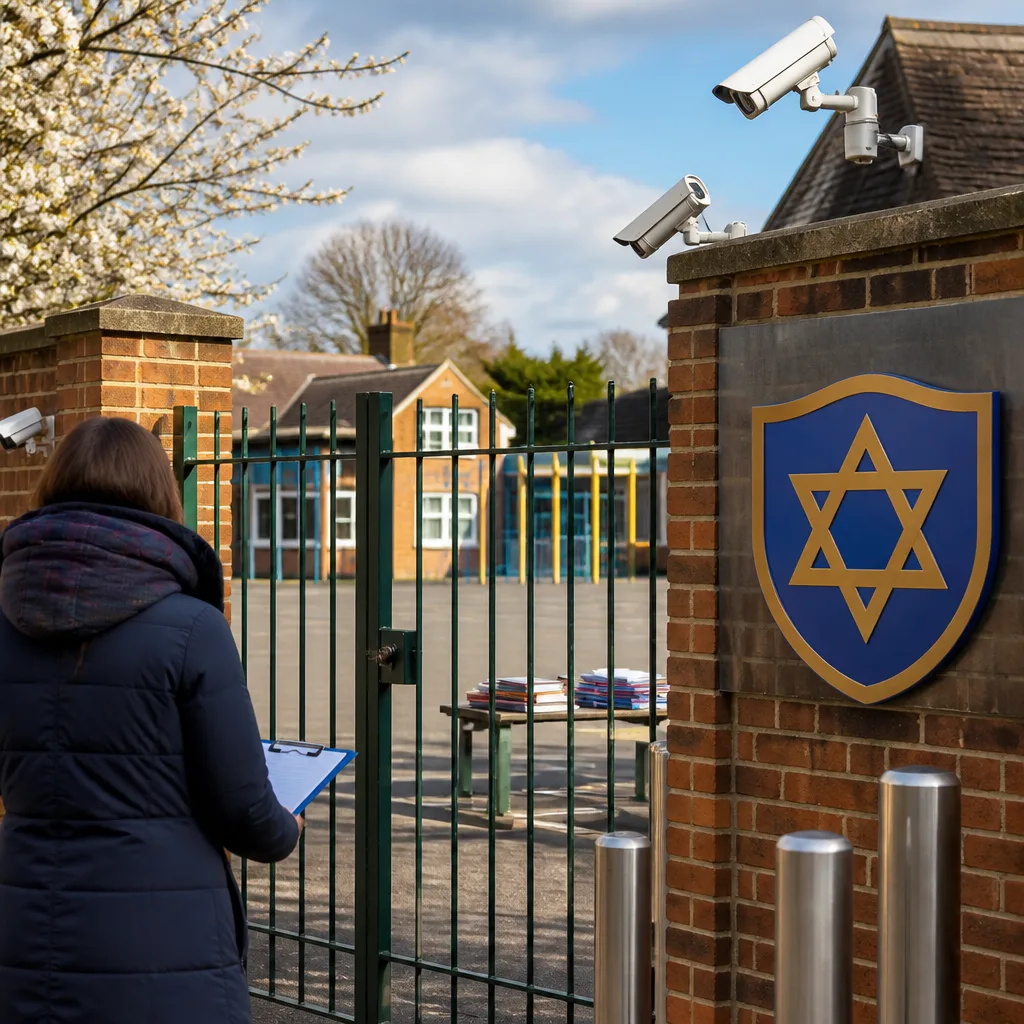
Security increasingly dominates school leadership time
Sir David, speaking publicly for the first time about his ongoing review, said he had been struck by the frequency with which leaders of Jewish faith schools told him that security concerns were their principal worry. He told the BBC the scale of incidents encountered by children was "
quite shocking" and that, as a result, "sometimes education takes second place to that".
Several headteachers and staff at Jewish schools have talked to the review team and to the broadcaster, but asked not to be named because of safety fears for themselves and their schools. One headteacher said there had been periods in which around 90% of their time was devoted to security-related matters. Another, who has led a different Jewish school for 13 years, told the review that they had never previously spent so much energy on protective measures.
Scope and expected recommendations
The report, due to be published this autumn, examines the experiences of Jewish pupils and staff in both faith and secular schools and in further education colleges across England. Early findings indicate pupils are routinely subjected to harassment and abuse, and that the lived experience of antisemitism among Jewish young people differs markedly from that of other communities.
According to sources close to the review, it is likely to recommend:
- Dedicated training for all teachers on recognising and responding to antisemitism;
- Improved education for pupils about antisemitism as part of broader citizenship and diversity work;
- Stronger guidance and support for schools on security planning and safeguarding measures.
The review’s focus extends beyond incidents within Jewish schools to consider antisemitic behaviour experienced by Jewish pupils in secular settings. Sir David said that pupils were "subject to regular harassment and abuse", a finding that underpins the case for systemic responses in education policy and practice.
Implications for schools, families and policy
Headteachers’ testimony that security duties have become a dominant part of their role raises practical and financial questions for school leaders and governors. Where a substantial share of senior leaders’ time is taken by protective measures, there is less capacity for curriculum development, teacher support and long-term strategic planning — activities that typically drive pupil outcomes.
For families and pupils, the consequences are immediate and psychological as well as practical. Routine harassment can affect attendance, wellbeing and the ability of young people to engage in school life. The review’s concluding recommendations will therefore be closely watched by local authorities, academy trusts and the Department for Education for implications on funding, training and statutory guidance.
Education unions, Jewish community organisations and safeguarding bodies will also be attentive to any call for national training programmes or revised guidance on how schools handle incidents. The balance between protective measures and the normal operation of schooling is likely to be a focal point for debate when the full review is published.
| Issue identified | Immediate effect |
|---|---|
| Headteachers prioritising security | Less time for curriculum leadership and teacher development |
| Regular harassment of pupils | Negative impact on wellbeing and school engagement |
| Variation across faith and secular schools | Need for sector-wide training and guidance |
The review’s publication this autumn will set out firm recommendations and, potentially, specific actions for government, schools and inspectorates. In the meantime, those running Jewish schools continue to balance the demands of safeguarding a vulnerable community with the everyday task of educating children — a tension the review portrays as acute and unresolved.
As the report’s findings become public, the education sector will have to confront how to protect pupils from targeted abuse while ensuring that teaching and learning remain the central purpose of schools.