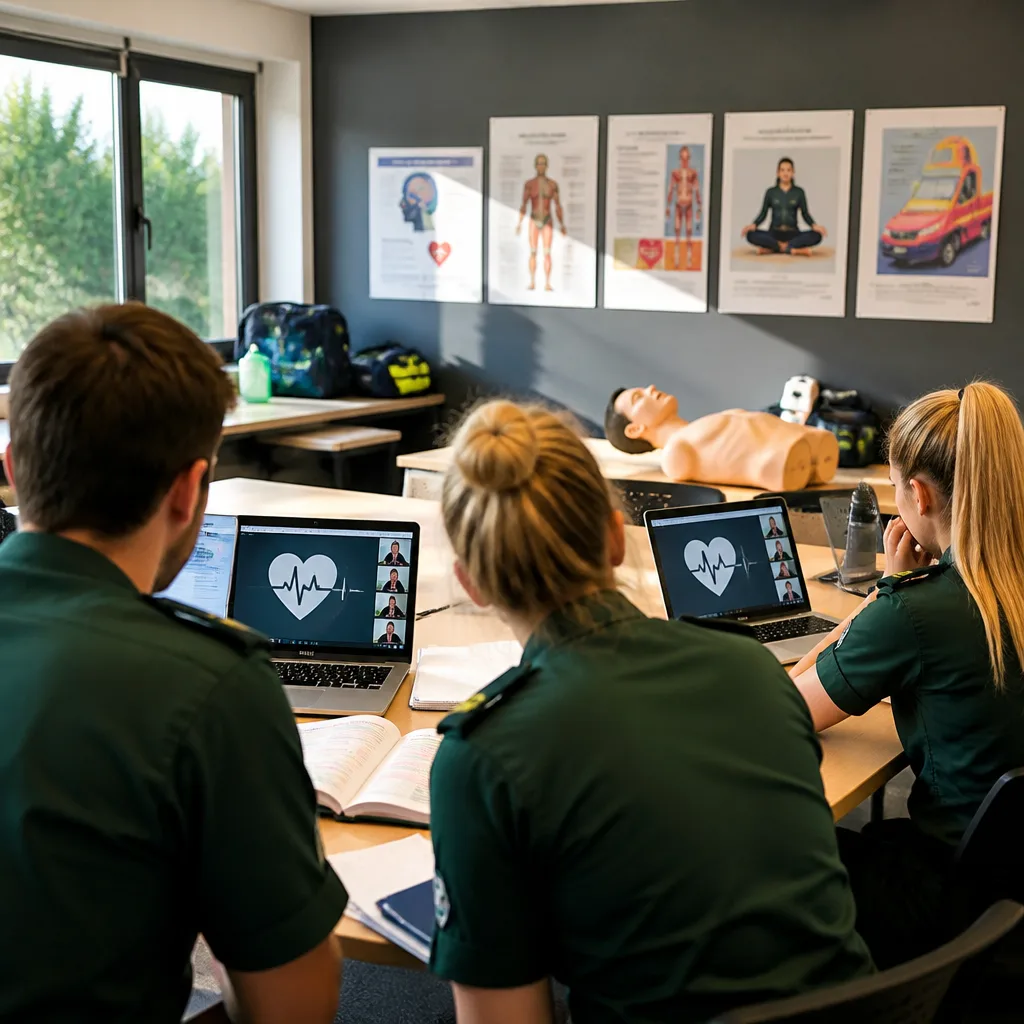
More than 50 first-year paramedic students at the University of Brighton have taken part in a three-day virtual placement developed in partnership with the Samaritans to improve their ability to respond to people in mental health crisis.
Preparing students for complex encounters
The placement is designed to equip students with practical skills to manage conversations where suicidal thoughts are present, to identify signs of trauma and to adopt strategies that protect their own mental health. The university said the module is part of a wider effort to align paramedic education with the realities of modern frontline care, where ambulance crews increasingly attend mental health emergencies.
"This placement completely changed the way I think about conversations around mental health," said Emma Searle, a student paramedic. "As student paramedics, we know we'll meet people during some of the hardest moments of their lives. This training has given me much more confidence to have those conversations with empathy and compassion, while also recognising when I need to look after my own wellbeing too."
Academic and clinical leaders have long argued that paramedics need a broader skill set than historically taught, including communication techniques for distressed or suicidal patients and awareness of trauma-informed care. The University of Brighton’s placement is targeted at first-year students, aiming to prepare them for placements on ambulances and in clinical settings sooner and with greater confidence.
What the placement covers
- Suicide conversation skills: approaches to ask about and respond to suicidal thoughts safely and non-judgementally.
- Trauma recognition: identifying signs of trauma and understanding likely impacts on behaviour and communication.
- Self-care and resilience: strategies for paramedics to protect their own wellbeing when exposed to distressing incidents.
University staff emphasised that while training can increase confidence, it does not replace the need for supervised clinical experience or specialist mental health support pathways. The placement is delivered virtually, reflecting a growing trend in blended healthcare education that combines online learning with hands-on practice.
Evidence and limitations
Research published in peer-reviewed journals has highlighted that targeted mental health training can improve clinicians’ confidence and communication skills, and may reduce stigma associated with suicidal ideation. However, such studies also stress the difference between short-term knowledge gains and sustained competence in high-pressure settings; ongoing supervised practice and systems-level support remain essential.
Experts cautioned that training alone is not a panacea: ambulance services require robust clinical pathways, rapid access to mental health teams and sufficient staffing to ensure safe, timely care for people in crisis. Workforce pressures, increasing demand and variations in local mental health provision can limit the impact of pre-registration education if not accompanied by service improvements.
Policy and practice implications
The Brighton initiative feeds into wider conversations about how pre-hospital care is taught across the UK. If similar placements were adopted nationally, consequences could include:
- Improved early recognition and management of mental health crises by ambulance staff.
- Greater integration between ambulance services and mental health providers, through clearer referral pathways and joint training.
- Potential reductions in escalation to emergency departments if appropriate community alternatives are available.
| Placement feature | Purpose |
|---|---|
| Suicide conversation training | Enable safe, empathetic questioning and immediate risk assessment |
| Trauma awareness | Recognise presentation differences and tailor responses |
| Wellbeing strategies | Reduce burnout risk and maintain resilience among students |
Course leads say the placement is one element of preparing clinicians for the realities they will face. Continued evaluation will be needed to understand whether virtual placements translate into improved patient outcomes and whether early exposure affects students’ readiness for frontline duties.
As demand for mental health crisis response grows, educators, ambulance services and mental health providers will need to collaborate to ensure training translates into safe, effective care. The University of Brighton’s work with Samaritans represents a practical step towards that goal, though systemic challenges remain.