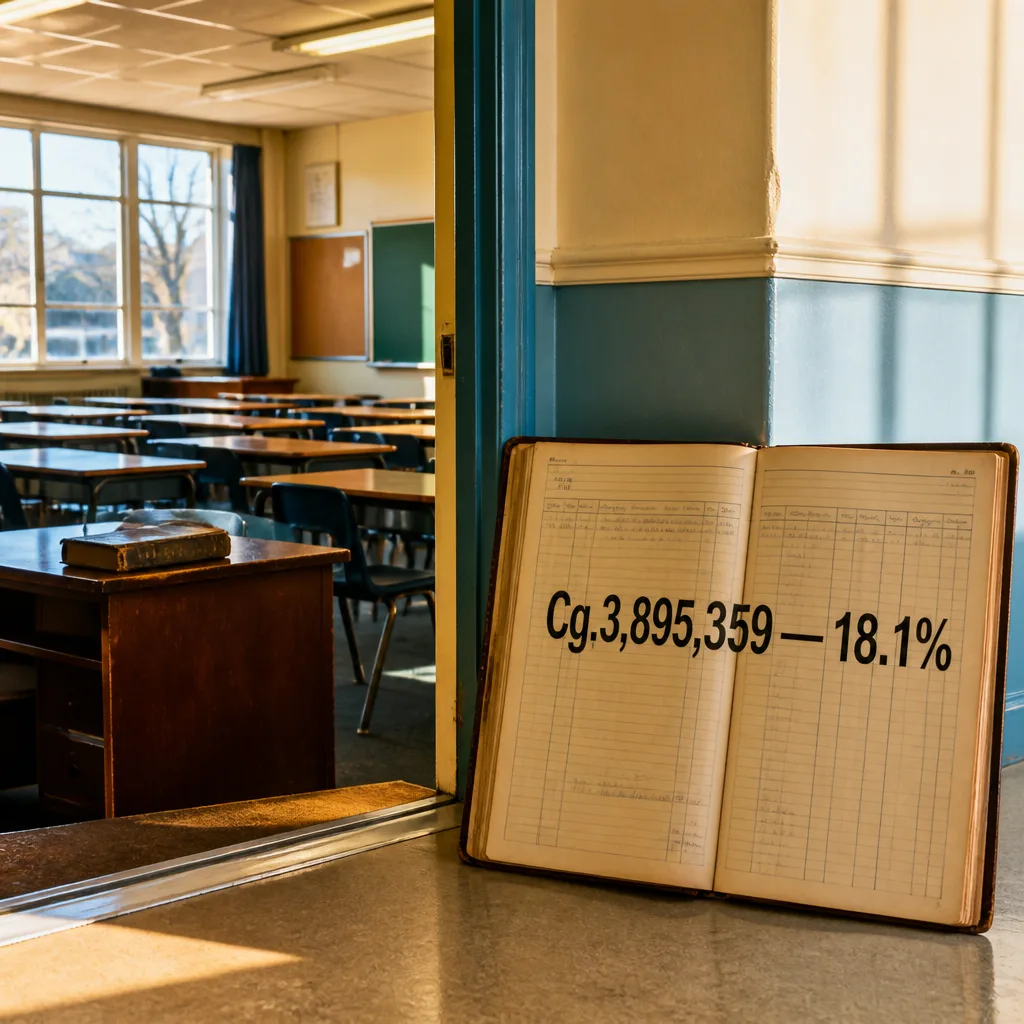
Less than one-fifth of the Division of Public Education’s 2026 budget has been explicitly identified for day-to-day school operations and direct learning support, according to figures provided to Parliament.
Breakdown of identified operational spending
The Division of Public Education (DPE) has a total draft budget for 2026 of Cg.21,546,974. Of that sum, Cg.3,895,359 — roughly 18.1% — is itemised for items such as utilities, instructional materials, maintenance, cleaning, security and digital learning platforms.
| Budget line | Amount (Cg.) | Share of DPE total |
|---|---|---|
| Total DPE budget (2026 draft) | Cg.21,546,974 | 100% |
| Identified for school operations and learning support | Cg.3,895,359 | 18.1% |
What the figures mean for classrooms
The disclosure followed parliamentary questions seeking to establish how much of the ECYS (Education, Culture, Youth and Sport) allocation is channelled directly into classroom activity rather than administration, projects, studies or overheads. The Ministry’s response clarifies that it does not mandate a fixed proportion of structural funding that subsidised school boards must spend within classrooms.
Instead, school boards receive lump-sum allocations and have discretion — within legal accountability requirements — to determine how to divide funds between teaching personnel, materials and operations. That funding model places responsibility for prioritising spending on boards rather than the Ministry setting a required floor for classroom expenditure.
- School operations and learning support identified: Cg.3.9m (18.1% of DPE draft budget).
- Total ECYS draft budget referenced: approximately Cg.125.97m, including over Cg.75m in subsidies.
- Decision-making on allocation rests with subsidised school boards, subject to accountability rules.
Questions and consequences
The numbers have opened a clear line of questioning for MPs. If school buildings face deferred maintenance, staffing shortages persist, and classrooms lack instructional resources, is an 18.1% allocation to direct operations adequate to sustain the learning environment?
That question is heightened by the wider ECYS draft budget context. The total draft for the ministry area is about Cg.125.97m, of which more than Cg.75m goes to subsidies. How much of that broader package translates into tangible, day-to-day support for schools depends on the discretion exercised by individual boards and on follow-up oversight by the Ministry and Parliament.
For parents, teachers and school leaders, the practical concern will be whether the funding identified as operational covers essentials such as reliable power and water, cleaning and security services, up-to-date textbooks and learning platforms, and timely maintenance of buildings. Where gaps exist, pressure may grow on boards to reallocate funds or on Ministers to revisit the formulae and accountability mechanisms that govern lump-sum grants.
Parliamentary scrutiny of these figures offers an opportunity to press for greater transparency about how lump-sum funding is spent at school level and whether additional safeguards are needed to protect frontline services. It may also prompt debate about whether a different mix of ring-fenced and discretionary funding would better secure classroom priorities.
For now, the published response lays bare the scale of the proportion explicitly labelled for routine operations and learning support. MPs and education stakeholders will need to decide whether that level of identification is sufficient or whether further action is required to ensure schools have the resources they need.