
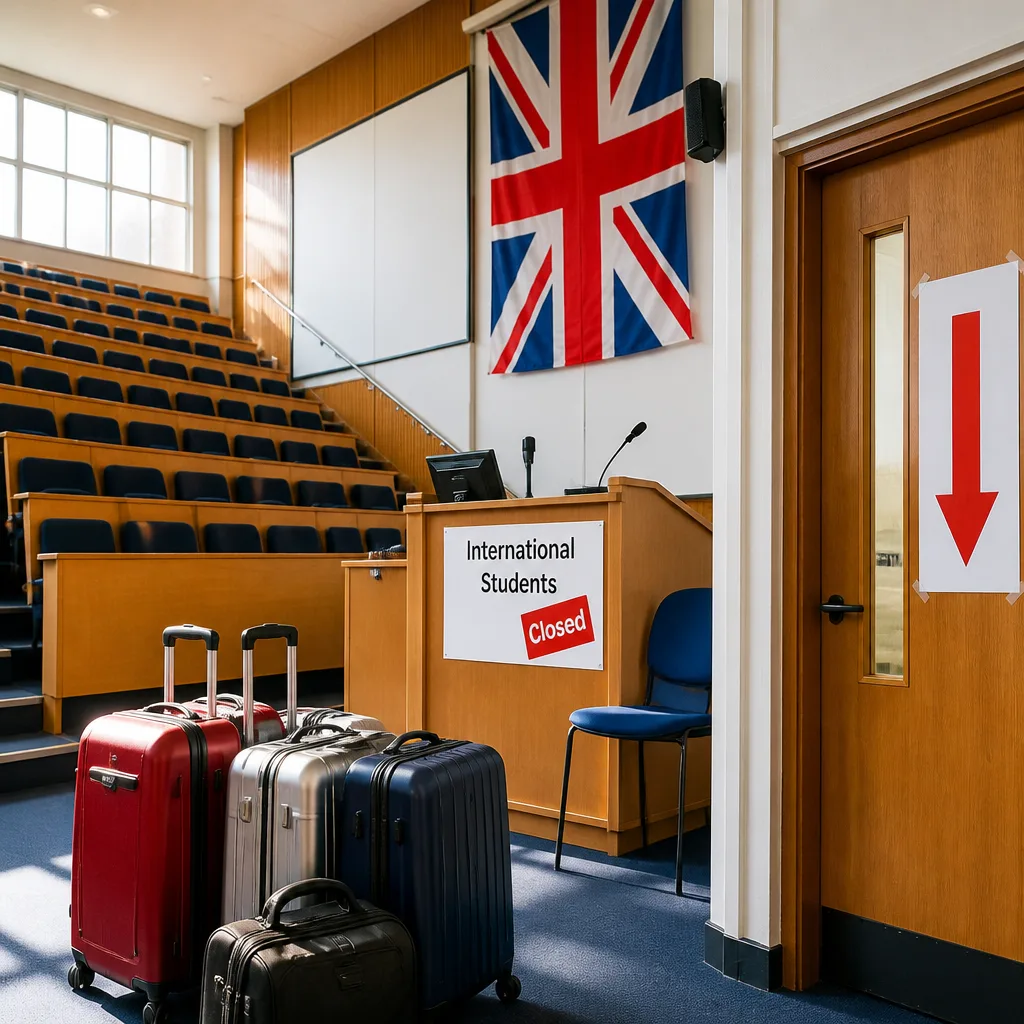
One Nation leader Pauline Hanson has promised sweeping cuts to the international student market — a sector valued at about $55bn — but declined to say how many visas she would deny as she seeks to reduce net migration to an asserted target of 130,000.
Policy vows without a number
In an interview on Sunday, Senator Hanson described the industry that services overseas students as “a farce”, accusing universities of facilitating entry to Australia through student visas and saying many students bring family members with them. When pressed for a specific figure for lost entrants, she said: “I’m not putting a figure on it now.”
“I think the international student industry that’s been set up by the universities is a farce.”
The senator claimed without citing evidence that around 271,000 people in Australia are on student-related visas. Separately, analysts and government figures indicate international students account for roughly a third of current net migration, meaning any large reduction would materially affect migration totals.
Context: recent moves on migration and visas
The comments come as Canberra continues to reshape migration settings in the aftermath of the pandemic. The Labor government has already overseen a substantial reduction in net migration from a post‑pandemic peak of 550,000 in 2023, a fall described in reporting as almost 45%. The government’s current stated aim is to lower net migration to around 220,000.
Changes quietly implemented on 25 July altered visa processing priorities, placing onshore applicants working in law enforcement and the defence industry at the front of the queue, while many offshore applicants outside healthcare, teaching and construction were relegated to low priority. Senior ministers have also reportedly discussed tighter family‑visa rules, a cap on backpacker arrivals and tougher limits on work rights and appeal avenues for asylum seekers.
Economic and education implications
International education is Australia’s second‑largest export by value. Universities, private colleges and local economies that host international students rely on fee income and associated spending on housing, transport and services. A rapid or unspecified reduction in student numbers would therefore be likely to hit revenues for educational institutions and businesses in university towns and cities.
Stakeholders in higher education have previously warned that abrupt policy changes or uncertainty can damage recruitment pipelines, research collaborations and campus diversity, and can have longer‑term reputational effects that are hard to reverse.
- $55bn — estimated value of the international education sector referenced by Hanson.
- 271,000 — number Senator Hanson said are in the country under the student‑related category (claimed without documentary evidence in the interview).
- 550,000 → 220,000 — post‑pandemic peak and current government target for net migration, respectively, cited in reporting.
Opposition figures have also floated lower migration targets: the Liberal Party’s housing spokesman, Andrew Bragg, has mentioned a target of 180,000, though he has not detailed how the Coalition would reach that number.
What’s next
Any concrete policy to cut international student intake would require detailed proposals: how many visas would be refused, which courses or institutions would be affected, and what transitional arrangements would exist for students already in Australia. Without such specifics, universities and local communities face persistent uncertainty.
| Figure | Context |
|---|---|
| $55bn | Estimated value of international education sector cited in the interview |
| 271,000 | Number Senator Hanson claimed are in the country under the student category |
| 550,000 | Post‑pandemic peak in net migration (2023) |
| 220,000 | Current government migration aim |
For schools, colleges and higher education providers, any move to curtail student visas would force rapid adjustments to recruitment strategies and financial planning. For policymakers, the debate highlights the tension between electoral pressure to reduce migration and the economic dependence on international students. At present, the One Nation position is a policy pledge with stark potential consequences but few operational details.